
industrial product design
21 stories filed under industrial product design on Spoot: Spotted Early. The newest of them: “Fujifilm's throwaway camera gets rebuilt brick by brick”, “Peak Design's carry-on shed a pound but kept every trick that made it weird and wonderful”, and “Apple's stem sneaks around back in this AirPods concept”. There's a working film wheel inside it. The Peak Design Roller Pro was a weird little tank of a carry-on, all those clever latches and expansion zippers and a handle that felt like it was designed by someone who actually hauls gear through rainy train stations. Spoot: Spotted Early New things, caught while they're still new and a little weird. Spoot finds fresh gadgets, clever inventions, crowdfunding campaigns,… The list below is every industrial product design story on Spoot: Spotted Early, newest first.
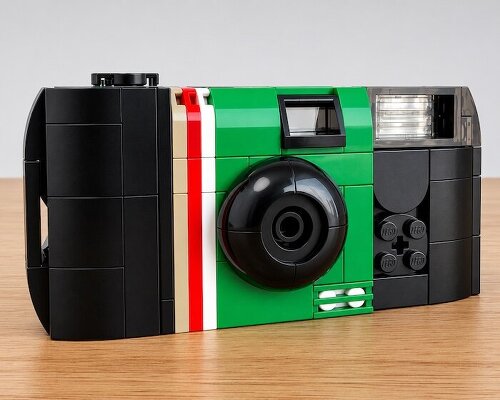
Fujifilm's throwaway camera gets rebuilt brick by brick
There's a working film wheel inside it. That's the detail that gets me. Fujifilm's disposable Quicksnap camera, the one you'd grab at a drugstore counter and return for processing with a faint hope anything came out, has been rebuilt as a full-scale LEGO model. It's life-size. It has a transparent viewfinder. It even comes in a matching retail box. This is not a render. This is someone who sat down and bricked the whole thing, including the parts you can't see. I love that the replica preserves the mechanism you'd never think about until you wound the wheel and felt the film advance. It's nostalgia rebuilt from the ground up, one stud at a time.

Peak Design's carry-on shed a pound but kept every trick that made it weird and wonderful
The Peak Design Roller Pro was a weird little tank of a carry-on, all those clever latches and expansion zippers and a handle that felt like it was designed by someone who actually hauls gear through rainy train stations. It won awards. It sold like crazy. Now Peak Design has shed a pound from that bag and is asking if lightning can strike twice. The new version keeps every trick that made the original wonderful: the clamshell that opens like a tackle box, the built-in compression, the fabric that still looks new after a year of abuse. But lighter means different materials, different compromises. I want to know what got cut besides weight.

Apple's stem sneaks around back in this AirPods concept
Apple's stem sneaks around back in this AirPods concept. The AirPods Open puts that famous little stalk behind your ear instead of dangling in front of it, which is the sort of simple, obvious-in-hindsight idea that makes you wonder why nobody thought of it sooner. Apple has a long habit of showing up late to the party and somehow leaving with everyone's attention. It wasn't first to MP3 players or smartwatches, but it usually arrives with something that redefines the category. This concept does the same trick with a form factor that's been stubbornly stuck in place. It's speculative, sure, but it's the kind of weird little pivot that gets us genuinely excited. If you liked that mushroom camera asking what we should really be throwing away, you'll appreciate this too.

Home Depot Slashed Milwaukee Tool Prices So Low It Feels Like a Glitch
Home Depot just slashed Milwaukee Tool prices so deep it feels like a glitch in the matrix. The retailer is running a series of promotions that cut prices to the bone and introduce BOGO deals you almost don't trust. I had to refresh the page twice to make sure my eyes weren't making up numbers. This is the kind of sale that makes you wonder if someone accidentally hit "publish" on the wrong spreadsheet, and then you click "add to cart" before they fix it. It is aggressively, unapologetically good. If you have been waiting for a reason to upgrade your kit, this is the razor clam hiding in the fine print that everyone else scrolled past.
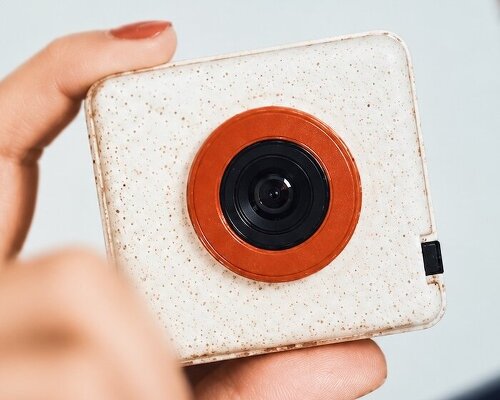
This mushroom camera asks what we should really be throwing away
The mycelium in Sree Krishna Pillarisetti's soft-pixel camera isn't just a casing, it's a question mark buried in the spec sheet. Disposable cameras have always been designed to be thrown away, but this one forces us to ask which part of the device should really be discarded. The shell is compostable, made from mycelium, hemp, and bioplastic, while the internal electronics get a second life. It's the kind of clever inversion that makes you circle back. We've seen Volvo borrow leaves for its seats and a forest for its soul in the electric EX60, and that same curiosity about materials shows up here, just smaller, sharper, and willing to decompose before your photos ever do. Spoot wonders: if the camera can rot, what's our excuse for keeping everything else?
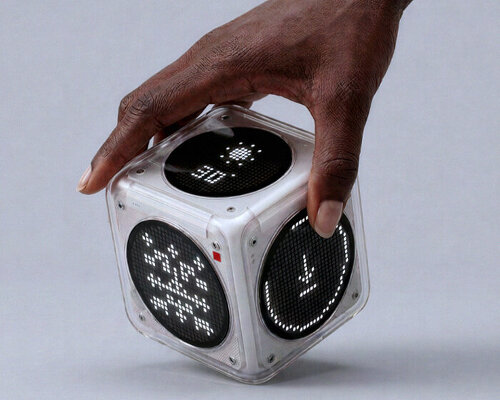
This glowing polycarbonate cube talks to you without a single screen
A six-sided polycarbonate cube that glows, rotates, and talks to you, no screen in sight. That's Glyph, a conceptual AI companion from a designer who looked at the black mirrors in our pockets and decided there had to be another way. The transparent housing reveals an LED matrix inside, and instead of tapping glass, you communicate through rotational gestures. It's not a phone. Not a smart speaker. It's something weirder: a presence. The inspiration came from nothing tech, no brand, no ecosystem, just the idea that an object could feel alive without a display. Of course it's a concept. But concepts like this one ask the right question: what if our AI companions didn't demand our eyes?

Volvo's electric EX60 borrows leaves for its seats and a forest for its soul
Volvo's electric EX60 borrows leaves for its seats and a forest for its soul. Seasonal color studies informed the interior, which projects leaves directly onto the seating surfaces. That is the kind of detail that makes you stop scrolling and actually look. The car was driven to Russell Wright's modernist woodland home at Manitoga, which feels like the only appropriate place to land something this deliberately rooted in nature. It is not just green because it is electric. It is green because someone asked what a car would look like if it remembered it came from trees. The mycelium disposable camera we covered recently had a similar instinct, design that acknowledges it belongs to the physical world.
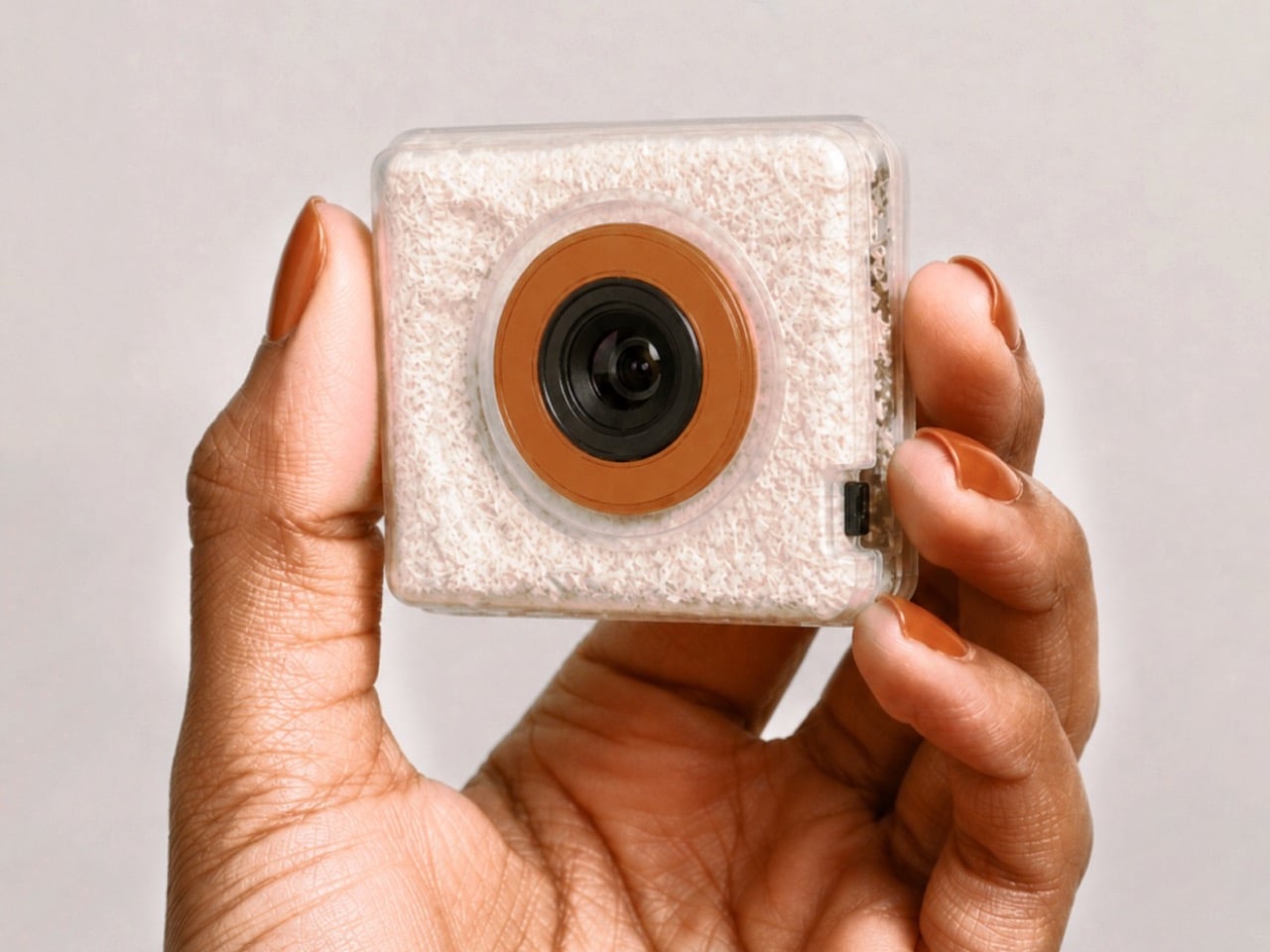
This camera decomposes before your photos ever do
Forty years ago, Fujifilm launched the QuickSnap, a plastic box of film you shot, dropped off at the drugstore, and never saw again. The disposable camera has always been a monument to planned obsolescence, a single-use plastic brick that outlives its own purpose by centuries. This one flips the script entirely. It grows from mycelium, the root-like network of fungi, and decomposes before your photos ever do. You don't recycle it. You bury it. That's the kind of material thinking that makes you wonder why we ever used plastic for anything temporary. It's still a disposable camera, so the questions about cost and availability matter, but the concept alone feels like a quiet rebellion. If you liked the clever rethinking behind Flashback's single-day development model, this fungal frame is worth watching too.
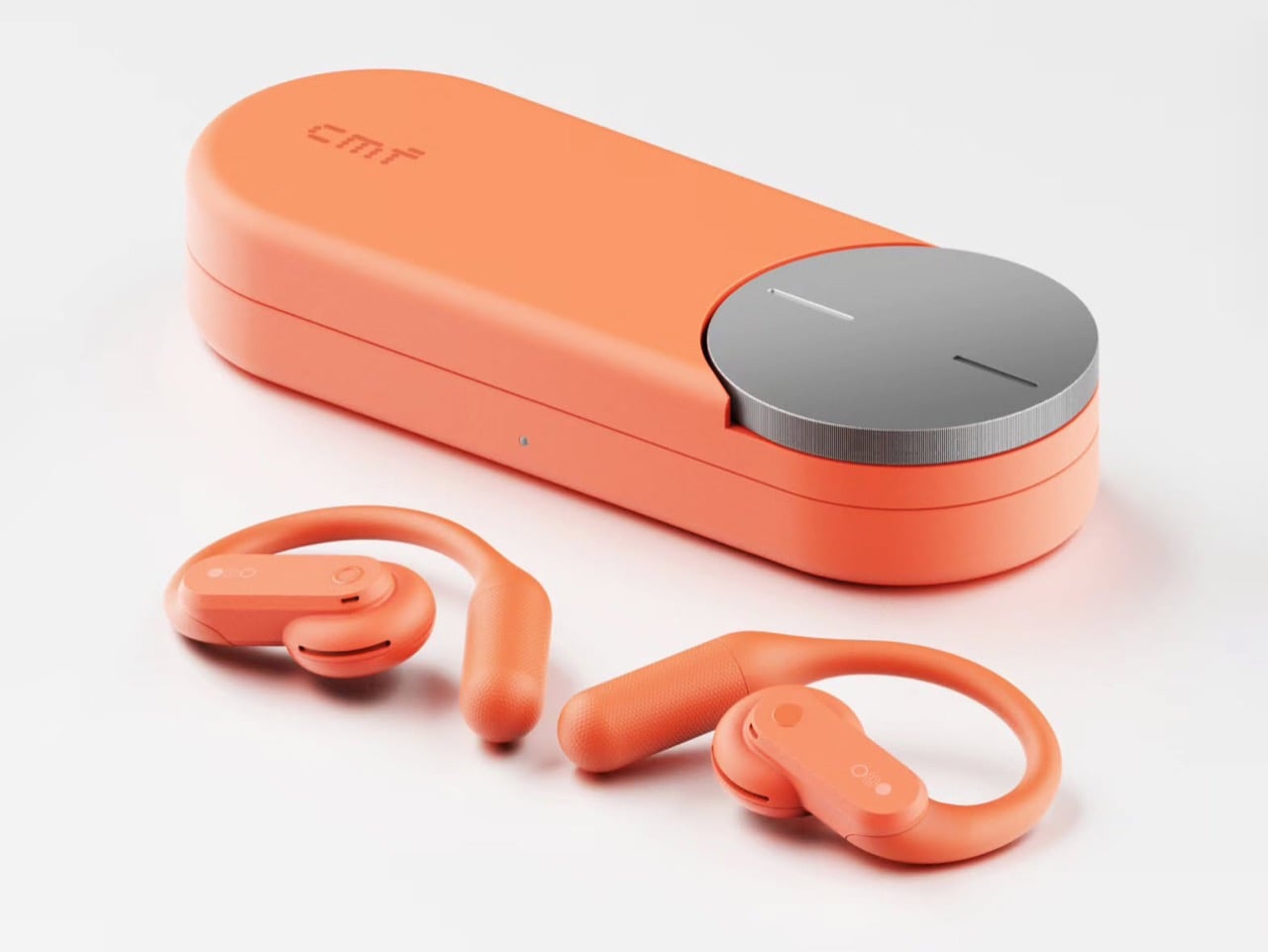
Nothing's See-Through Earbuds Got Stuck Under the Wrong Brand
Nothing's Ear (open) debuted in 2024 at $149, wrapped in that signature transparent plastic, and I'll say it plainly: this thing launched under the wrong logo. The open-ear buds feel like they should have been a CMF product all along. Nothing's sub-brand already owns the playful, color-forward, slightly rebellious lane this design actually lives in. The transparent shell wants to be a statement, but it lands more like a prototype that wandered into the wrong launch party. It's a clever hinge and a genuinely useful shape, the kind of thing that makes you wonder why nobody else tried it, but it's dressed in a brand identity that takes itself too seriously. (If you liked the material deep-dive on Benks' Kevlar phone cases, you'll feel right at home here.)

Kevlar phone cases are here, and they're more vacation than vest
Kevlar has spent most of its career in serious places, like bulletproof vests, racing tires, and the occasional helmet. Chemist Stephanie Kwolek invented it at DuPont in 1965, and for decades it has meant business. Benks, however, has other ideas. Its new Kevlar iPhone 18 Pro cases look ready for a holiday cruise, not a tactical operation. The material is the same stuff that stops bullets, but the vibe is pure vacation. That contrast is what makes this interesting. Benks is betting Kevlar can be luxurious, not just armored. We're curious whether the cases actually feel as refined as they look, or if the fiber's functional heritage leaves a rough edge. It's a clever pivot for a material usually found in life-or-death contexts.
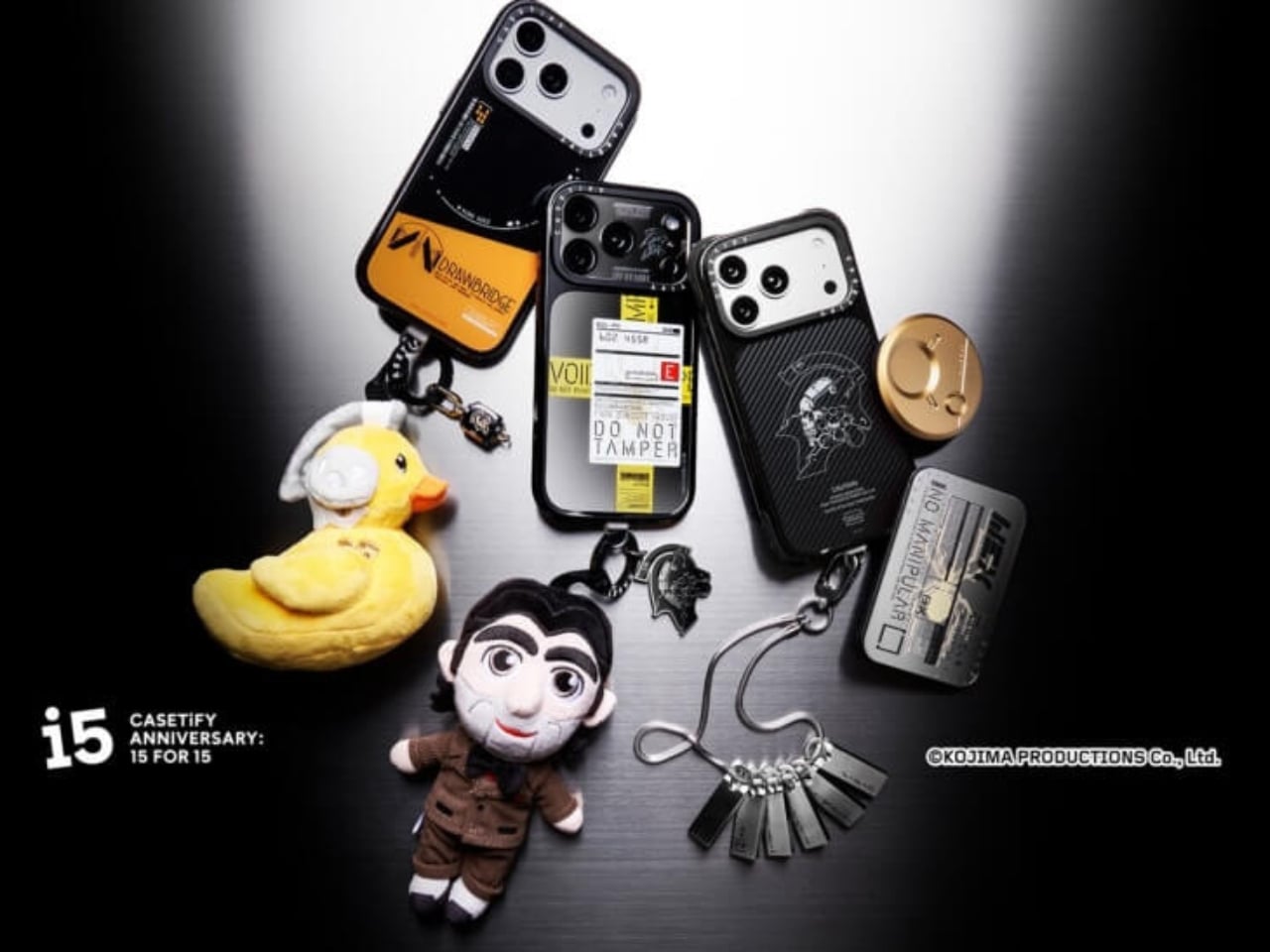
Spoot's not shelving this Kojima collab: it's checking if the gear holds up
A miniature piece of sci-fi equipment becomes more appealing to me when it has a job beyond occupying a shelf. The KOJIMA PRODUCTIONS x CASETiFY collab isn't just branding slapped on a phone case; it's asking whether game-world gear can survive the commute. Spoot's not shelving this one. It's checking if the hardware holds up under the weight of daily pocket life, the kind of scrutiny Hideo Kojima's obsessive design language usually escapes in a display case. The real question isn't whether the case looks like something from *Death Stranding*. It's whether it protects like one. That's the razor clam in the spec sheet: durability claims versus the actual drop test. If you're into gadgets that earn their place, this pairs well with how Analogue dug up its best retro consoles and gave them Wi-Fi.
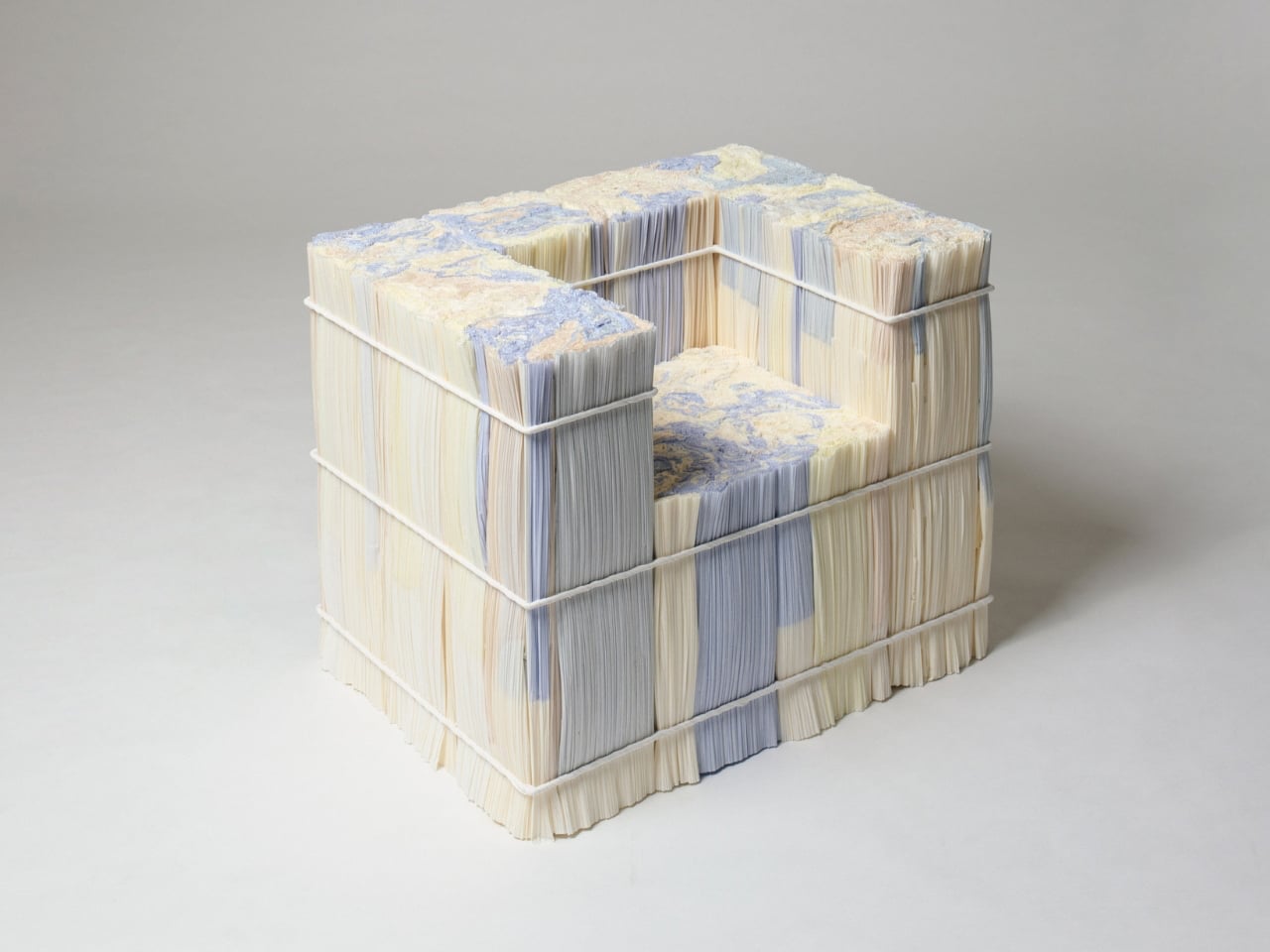
Denim plates and paper chairs: five ways scrap gets weirdly good
A paper chair that holds 300 pounds. Denim plates fired in a kiln. A lamp shade grown from mycelium. This is not a fever dream from a design school final show, it's a real, growing movement where waste stops being a dead end and starts being the whole point. Architects, artists, and product designers are looking at scrap material and asking, "What if we just… didn't throw that away?" The answers are weird, specific, and genuinely good. No hype here, just a clever hinge, a bizarre material choice, and the quiet thrill of watching someone solve a problem nobody else thought to touch. If you liked how those retro sneakers borrowed hiking tech to become better city commuters, you'll love what happens when designers borrow from the dumpster.

The Hiking Trick That Turns Retro Sneakers Into City Commuters
There's a dirty little secret hiding in the soles of your favorite retro sneakers, and it's borrowed from the hiking world. The result? Some of the most stylish urban commuters you'll find, without the clunky, overbuilt look that usually tags along with trail tech. It's the kind of detail that makes you stop, squint, and appreciate the cleverness. A grip that actually grips wet pavement. A lug pattern that means business on a rainy commute. We love a shoe that refuses to pick a lane, and this one pulls it off with a wink. If you're into footwear that quietly overdelivers, you'll want to circle back to how New Balance Sliced the Dad Shoe's Signature Look Clean Off, too. Stay spooty.

150W of laser, one Kickstarter: does MIRA X cut through the hype?
There's a 150-watt laser hiding inside a box on Kickstarter, and it's asking makers to trust it with their materials. MIRA X pairs high-speed engraving with AI-powered automation, which sounds like the kind of promise that usually dissolves into render dust. But here's the thing: it's aimed at small production shops, not just hobbyists with a spare garage. That changes the conversation. The real question isn't whether it can cut plywood. It's whether the AI actually saves you time or just adds another settings menu to fiddle with. And the shipping date. Always the shipping date. If you're circling back to see what else is new this week, the HomePod Mini 2 finally exists and preorders are open. Stay spooty.

New Balance Sliced the Dad Shoe's Signature Look Clean Off
New Balance took a blade to the dad shoe's most recognizable feature and didn't flinch. The Boston brand's latest collaboration with a favorite studio peels away the chunky, layered sole that defined the look, leaving something leaner and stranger underneath. It's the kind of move that makes you wonder why nobody thought of it sooner, and then remember that most brands are too busy protecting the silhouette to actually question it. The result is a sneaker that still feels familiar but refuses to coast on nostalgia. For another unexpected reimagining of a classic, see how Citroën's 2CV returns as a tiny electric roll-top concept.
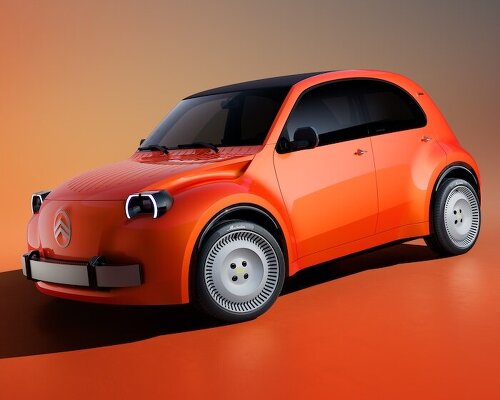
Citroën's 2CV returns as a tiny electric roll-top concept
The 2CV is back, and it's brought a roll-top roof and a battery. Citroën unveiled this tiny electric concept at the 2026 Paris Motor Show, measuring just 3.76 metres, shorter than a modern parking space and probably easier to parallel park. It reinterprets the 1948 original, which means it keeps the iconic silhouette but swaps the corrugated metal for a fabric roof that rolls up when the weather behaves. That's the detail that makes me grin. Who is it for? Someone who wants the charm without the petrol smell, and who doesn't mind waiting to see if it ever leaves the show floor. If you like clever space-shifting, also check out Fiat's Multiplay concept, which swaps its back seat for a flatbed.

This $175 smart paddle drags pickleball off the court and onto your couch
The $175 smart paddle doesn't care about your living room ceiling. It's a Wii-style controller disguised as a paddle, and it wants to turn your TV into a pickleball court, which means the fastest-growing sport in America has finally found its way to your couch. That's the pitch, and honestly, it's a good one: no net, no wind, no missing the kitchen line because you're barefoot and holding a snack. It's clever, and it knows it. But Spoot's gently skeptical here, because "smart paddle" can mean a lot of things, and "turns your TV into a court" usually means a lot of lag and a broken remote. The real question isn't whether it's fun. It's whether it's worth $175 when you could just buy a real paddle and a friend.
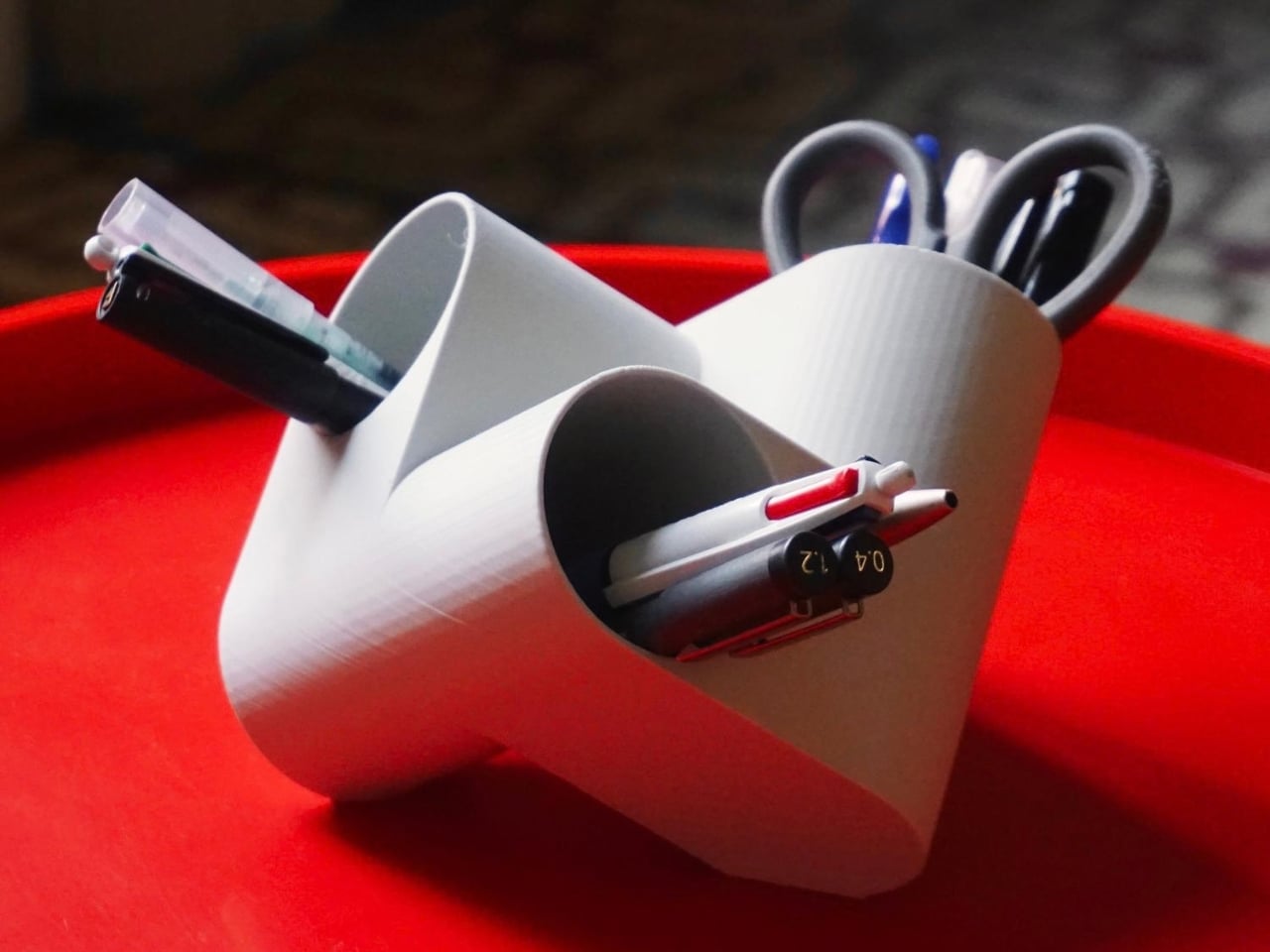
The Pen Trough That Turns Messycore Desk Chaos Into a Quiet Little Flex
I have a lot of pens. Not in a curated, matching-set way, but in a "this one ran out of ink three years ago and I refuse to throw it away" kind of way. My desk is messycore maximalism: a glorious sprawl of highlighters, sticky notes, and the mechanical pencil I can never find when I need it. The Pen Trough understands this chaos doesn't need to be hidden, it needs a home that looks good doing its job. This isn't a boring velcro wrap or a plastic cup from a conference. It's a cast-aluminum trough, a low, sculptural ridge that lets your pens sprawl right out in the open like a quiet little flex. It turns messy into intentional.

Amazon's October sale nibbles Apple prices without asking if you really need a new iPad
Amazon's October Big Deal Days are nibbling Apple prices, and the M5 MacBook Air at $1,099 is the thing I keep tab open on. Double the base storage, Wi-Fi 7, Bluetooth 6, it's the spec-sheet razor clam that makes the $200 discount feel like a win instead of a trap. But the 15-inch version also lands at $1,299, and that's where my focus drifts. If your sights are set beyond Cupertino, the main roundup has 100+ deals and we're chasing price matches as they appear. Some of this is Prime-only, but other retailers are biting back. Meanwhile, over at our AirPods Pro 3 coverage, I dug into why $179 is the number that actually matters this week. Stay spooty.

The Freckle phone hands kids a field guide, not a leash
The Freckle phone hands kids a field guide, not a leash. Start-up Freckle, with design studio Body Shop, built an AI-powered handset for seven-to-13-year-olds that pushes them outdoors to poke at the natural world. That's a refreshing flip on the usual parental-control panic. It's not about locking kids down; it's about letting them loose, with a device that rewards curiosity over screen time. I like the gentle skepticism here: the phone still has AI, still has a screen, but the pitch is about engagement, not restriction. It's a clever hinge between freedom and safety. If you're into gadgets that rethink how we live, this one's worth a scroll. And for more on tech that breaks the mold, check out Apple's smart-home anchor finally getting its date.
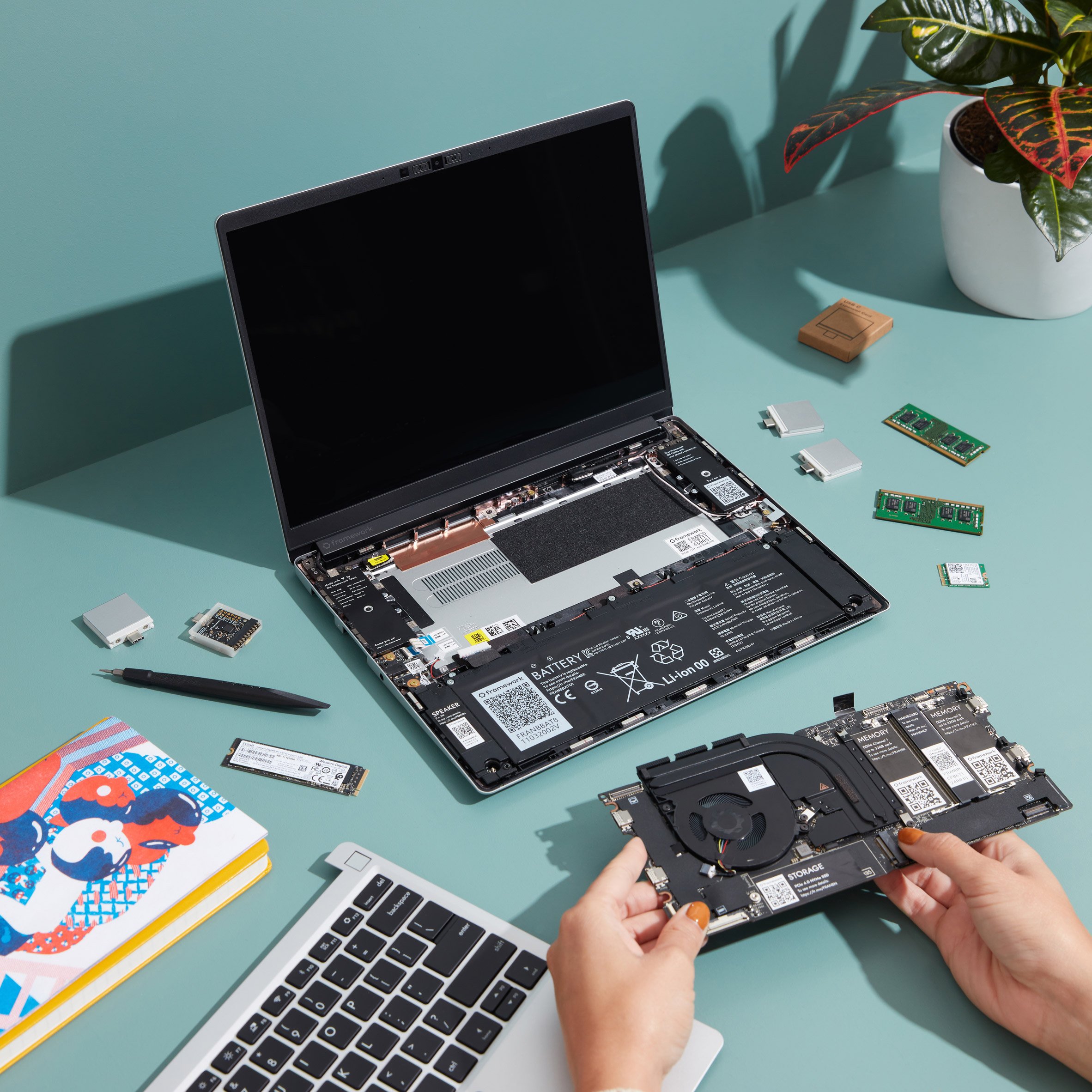
The sofa that fixes itself: five everyday objects quietly refusing to die
A sofa that fixes itself. Not a sofa that looks like it fixes itself, or comes with a branded repair kit that costs more than the couch. A sofa that actually, structurally, refuses to die. That's the razor clam in this Dezeen roundup, and it's a good one. While governments drag their feet on right-to-repair legislation, designers are just… doing it. Reimagining our most-used objects so anyone with a screwdriver and some patience can keep them alive. It's quietly radical. The EU has some of the strictest rules around, but the real momentum is in the workshops. If you like this stubborn streak, you'll love our piece on tiny EVs that dare to be small and sharp. Same energy, fewer seat cushions.