
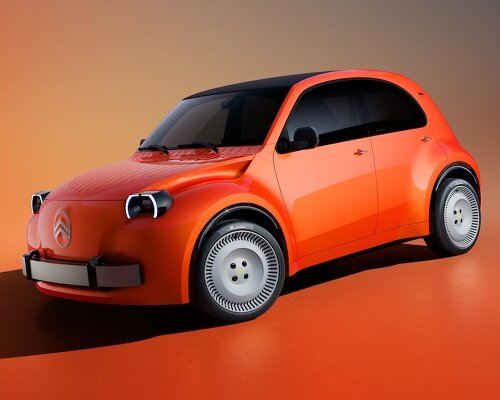
The Citroën 2 CV Concept is the most honest thing at the Paris Motor Show, and it isn't even a real car yet. That's the take. While everyone else is chasing screens and subscriptions, Citroën has gone back to 1948 and pulled out the one idea the industry keeps forgetting: a cheap, light, repairable box that makes you smile. It's a concept, slated for production by 2028 at around €15,000, and we should absolutely believe it when we see it. But the thinking here is more valuable than the sheet metal, and it connects directly to the kind of pragmatic weirdness we've been tracking in Fiat's Multiplay concept swaps its back seat for a flatbed when you need it and the way The AI assistant is the product, the gadget is just its cage frames hardware as a vessel for something else. The 2 CV is a vessel for personality, and that's a feature, not a bug.
Look at the details. The front bench seat comes out and becomes a picnic bench. The Radioën unit pops off and becomes a speaker. The storage basket is 3D-printed wood and bio-plastic. The door pockets are sized for eggs. That last one is the razor clam hiding in the spec sheet: the original 2 CV was famously designed to carry a basket of eggs across a ploughed field without breaking them. Citroën hasn't just copied the rounded roofline; it has kept the test that matters. The eggs are a promise about suspension and ride quality, disguised as a cute detail. The hare and tortoise pedals are another wink, but they're also a statement: this car is about the journey, not the sprint. Even the windscreen numbers, 1948, 1990, 2026, read like a timeline of stubbornness.
What makes this genuinely interesting, rather than just nostalgic, is the engineering underneath the tartan. A weight target close to one tonne, independently replaceable bumpers, reduced manufacturing complexity, and a Michelin collaboration on tyre monitoring that skips dedicated sensors. That's the philosophy of the original, translated into electric terms. The original 2 CV was cheap because it was simple. This concept tries to be cheap because it's simple. It's a refreshing counterpoint to the industry's habit of adding weight and cost to everything, and it's why the comparison to Fiat's Multiplay is so apt: both concepts are asking what a small car actually needs, rather than what a marketing department can stuff into it. The 2 CV answers with a fabric roof you pull by hand and a string of lights in the headliner, which is either charming or absurd depending on your tolerance for joy.
The open question is whether the production car keeps the character. Concepts always look great in Infra Red paint and comic-book graphics; the real test is the €15,000 version that has to survive crash tests and profit margins. The removable seats and the egg holders are likely the first casualties. But the weight target and the repairability ethos are the things to watch, because those are the decisions that define whether this is a real reinvention or just a costume. Citroën CEO Xavier Chardon says reinventing the 2 CV isn't about replicating the past. We agree, and we're watching the battery pack, the suspension tuning, and the final price. If they can ship a genuinely light, genuinely cheap electric car with a manual fabric roof, it won't just be a tribute. It'll be a blueprint.