

Even Realities snuck the smart glasses into the tortoiseshell
Even Realities' Tortoise Shell frame is so gorgeous, I'd buy the smart glasses just for the design.
Read the takeJust spotted
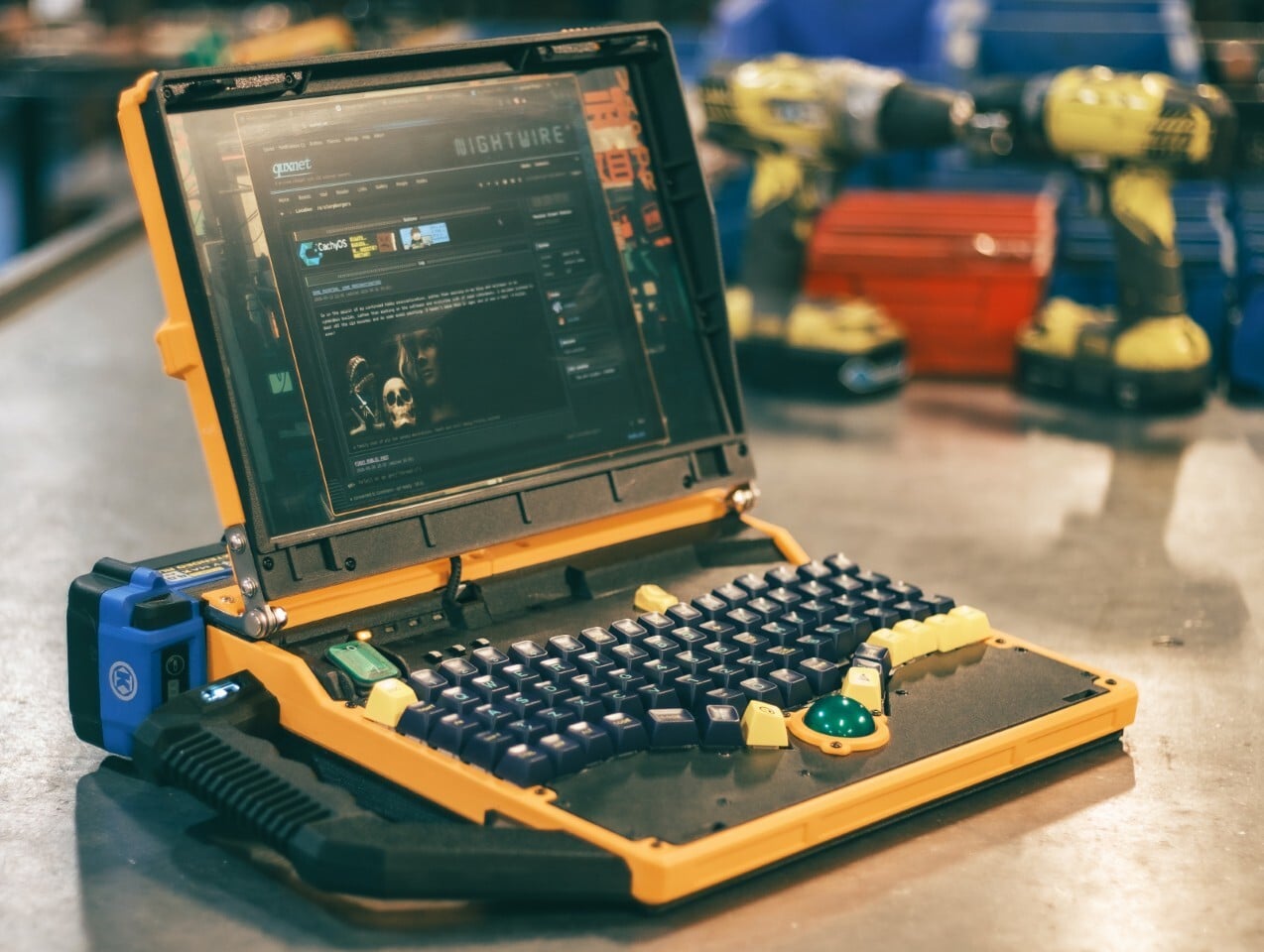
Slurptop's DIY laptop yanks its battery straight from the tool shed
The Slurptop DIY Laptop yanks its battery straight from the tool shed, and it doesn't bother hiding the fact.

The Wildscape hides a living room in the staircase you walk up
The living room in the Wildscape doesn't stop at a place to sit.
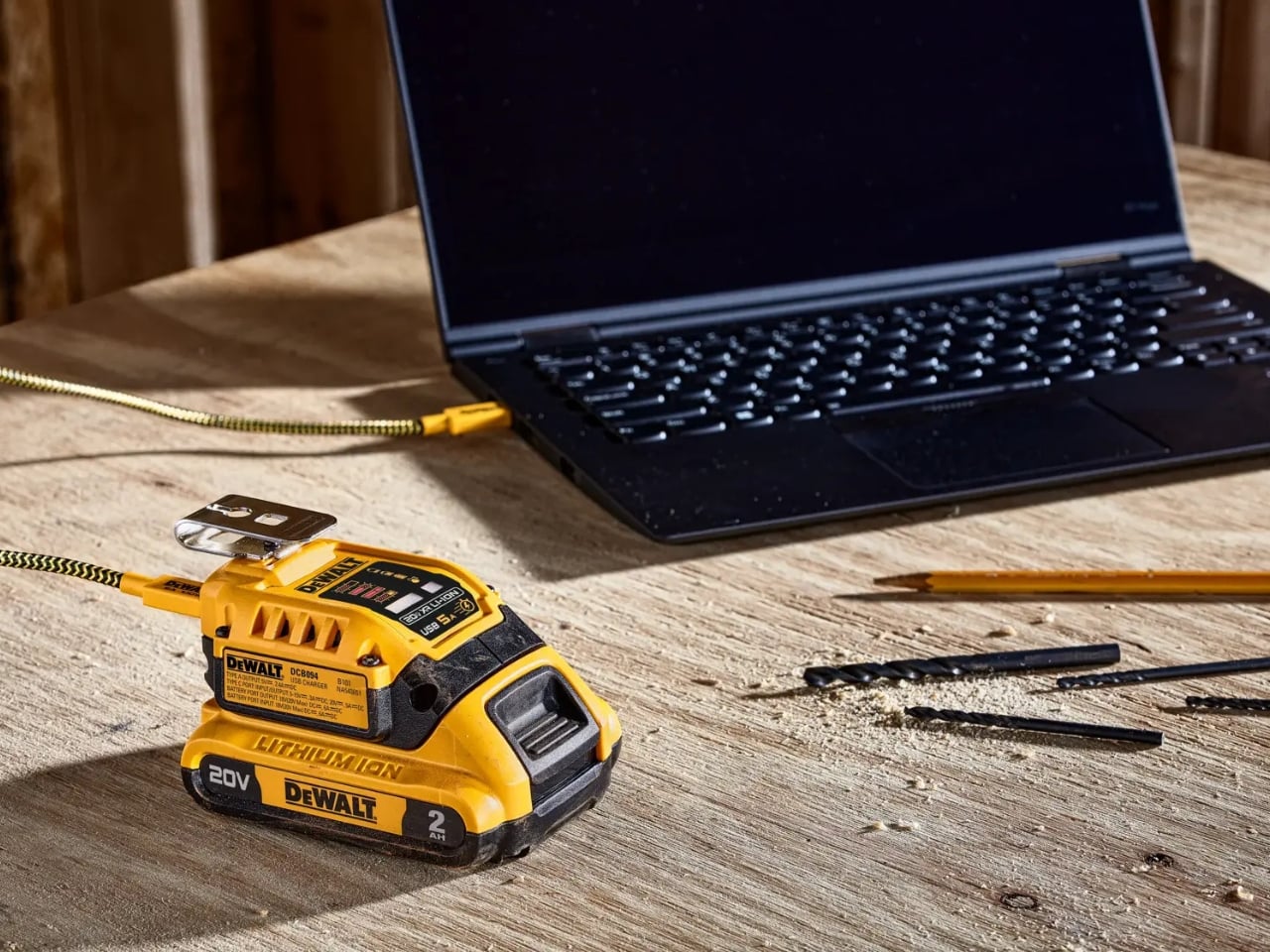
Your drill battery just became your laptop charger, no outlet required
A charged drill battery and a dying laptop can sit on the same table and still be useless to each other.
The latest finds

This titanium glasses concept wears its brain like a badge
Fitting a computer into a pair of glasses creates an awkward design problem: the electronics need room, but the result still has to belong on a face.

Lavvu Stuff a Full Bathtub Into Their Tiny Home XL
A full-size bathtub is a wonderfully stubborn thing to put inside a tiny home.

This Spanish home lets cork walls and curved roofs do the sweating for you
There's a house in Spain that lets cork walls and curved roofs do the sweating for you, which is exactly the kind of detail that makes me stop scrolling.

A mountain lodge for two, cleverly crammed onto wheels
There's a particular kind of magic in a tiny house that doesn't pretend to be anything else, and the Yukon Park Model leans hard into that honesty.
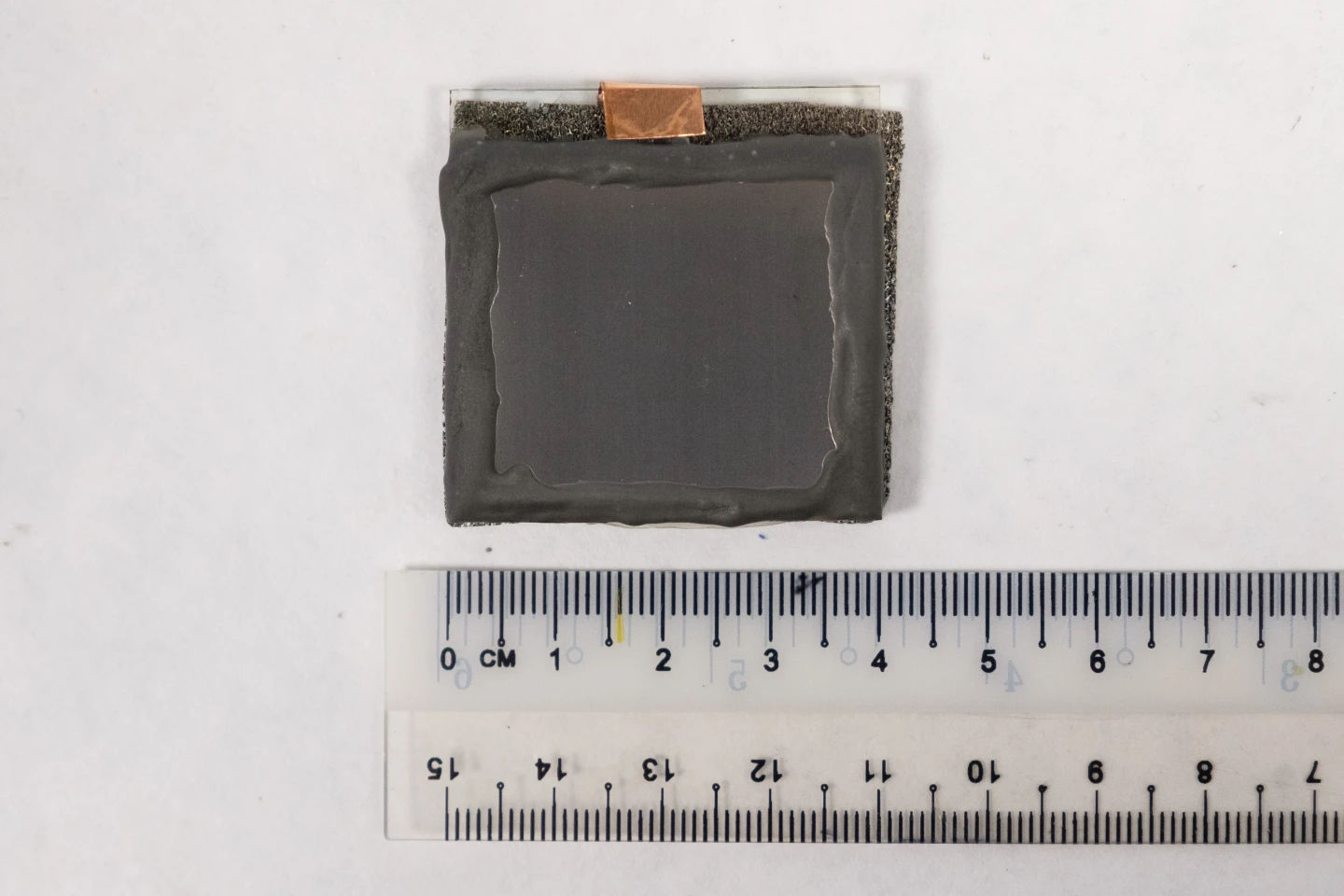
A leaf that cracks seawater into hydrogen and eats poison for lunch
A single leaf, flattened into a panel, is now cracking seawater into hydrogen and eating hydrazine for lunch.

This cottage-sized tiny house swapped wheels for windows and won
This cottage-sized tiny house swapped wheels for windows and won.

Home Depot Has a Gerber Multi-Tool That Costs Less Than a Good Lunch
Home Depot has a Gerbi multi-tool that costs less than a good lunch.

Birdbuddy Nook Drops the Price of Smart Birdwatching Below $100
A hundred bucks.

The iPad Mini Sheds Weight, Gains OLED and a Whole New Reason to Stare
The new iPad mini is thinner, lighter, faster, and has an OLED display that makes everything you do on it feel like you're holding the good light.

The Helena tiny house refuses to fold up small and that's exactly why it works
The Helena tiny house refuses to fold up small and that's exactly why it works.

JBL just slashed three best-selling speakers to a price that demands attention
JBL just slashed three of its best-selling portable Bluetooth speakers to a price that demands attention.
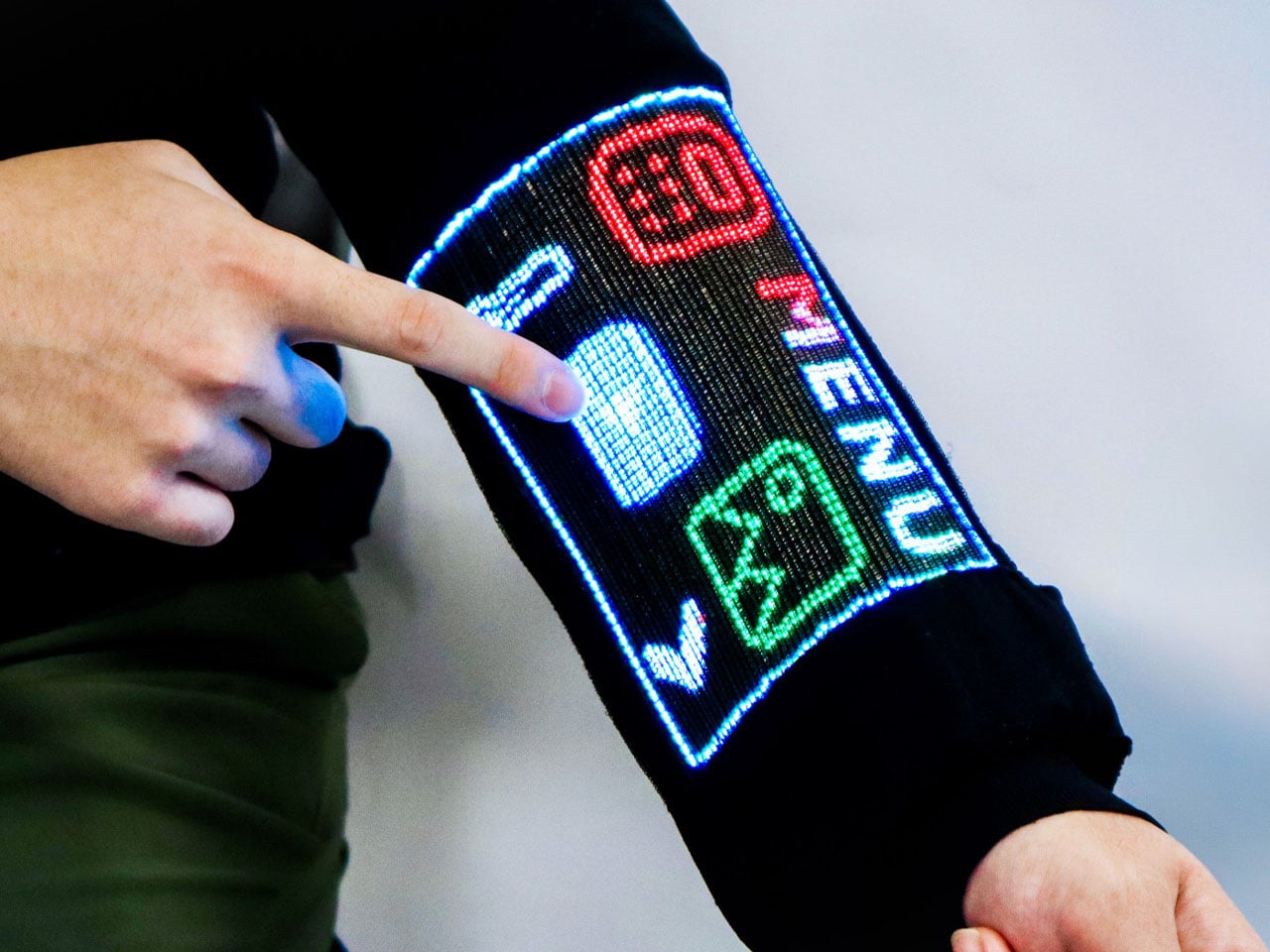
Your next screen is sewn into your sleeve and that's genuinely weird
Your next touchscreen is sewn into your sleeve, and that is genuinely weird.

New Balance's 991v2 Gets Colorways That Are Anything But Quiet
New Balance just looked at the 991v2, said "not loud enough," and fixed it.
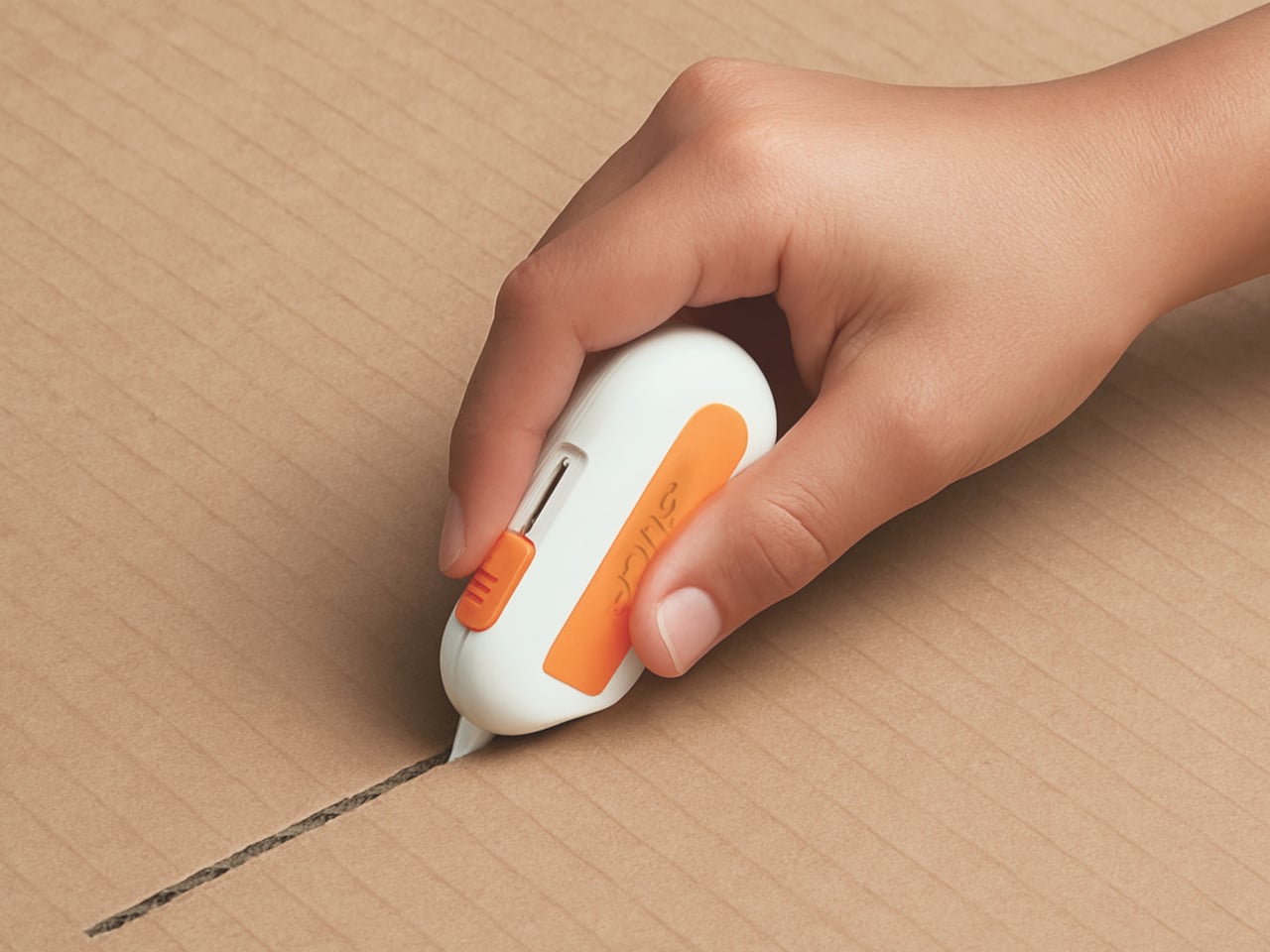
What happens when a craft knife finally fits a child's grip
The Kids Cutter concept rethinks the craft knife for smaller hands, and it makes you wonder why this took so long.
More Articles
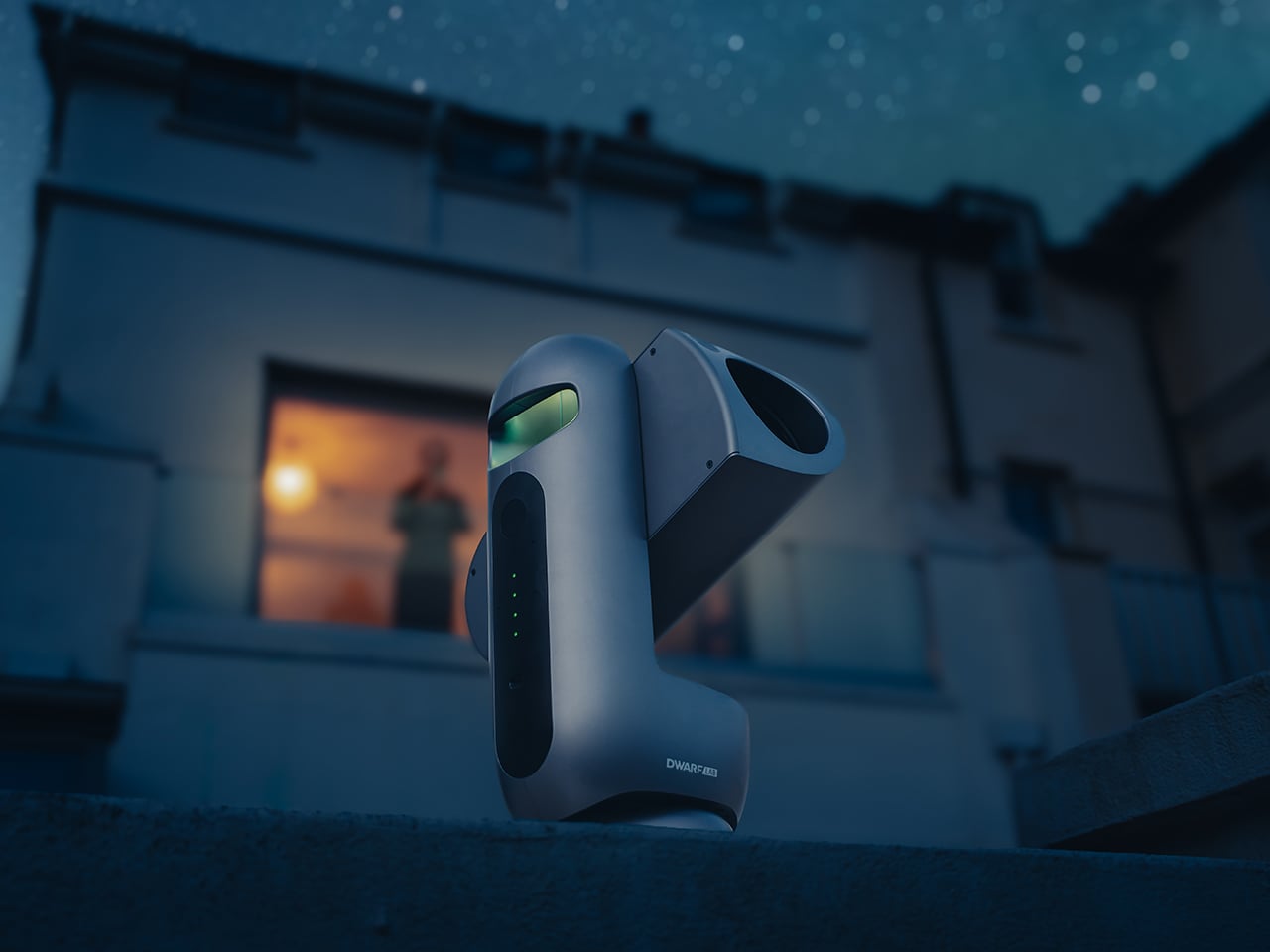
Draco the smart telescope wakes itself up to shoot stars while you sleep
About 4,500 years ago, while the Egyptians were busy stacking pyramids, the North Star was a completely different star called Thuban.
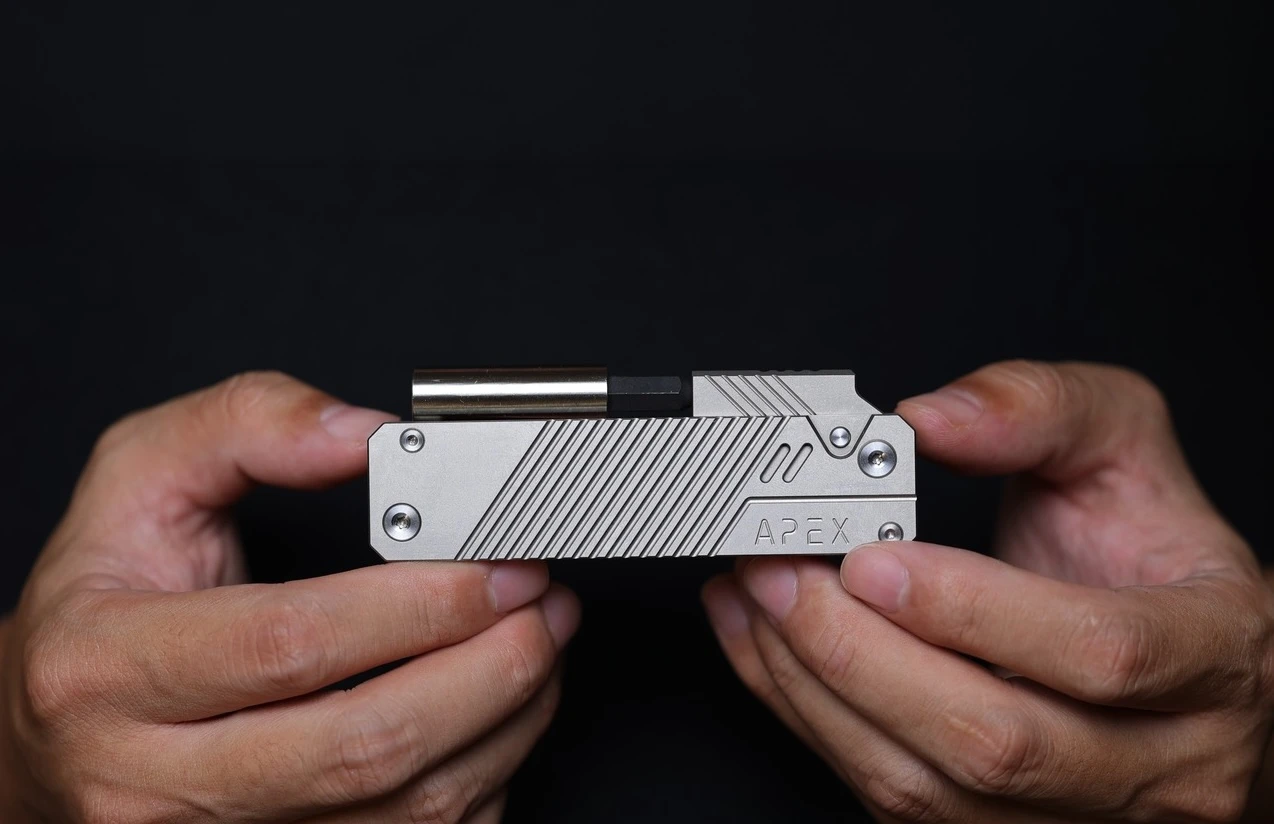
That multitool bit stash is finally getting a proper home
How many times have you pulled out the screwdrivers on your multitool only to find they're all wrong?
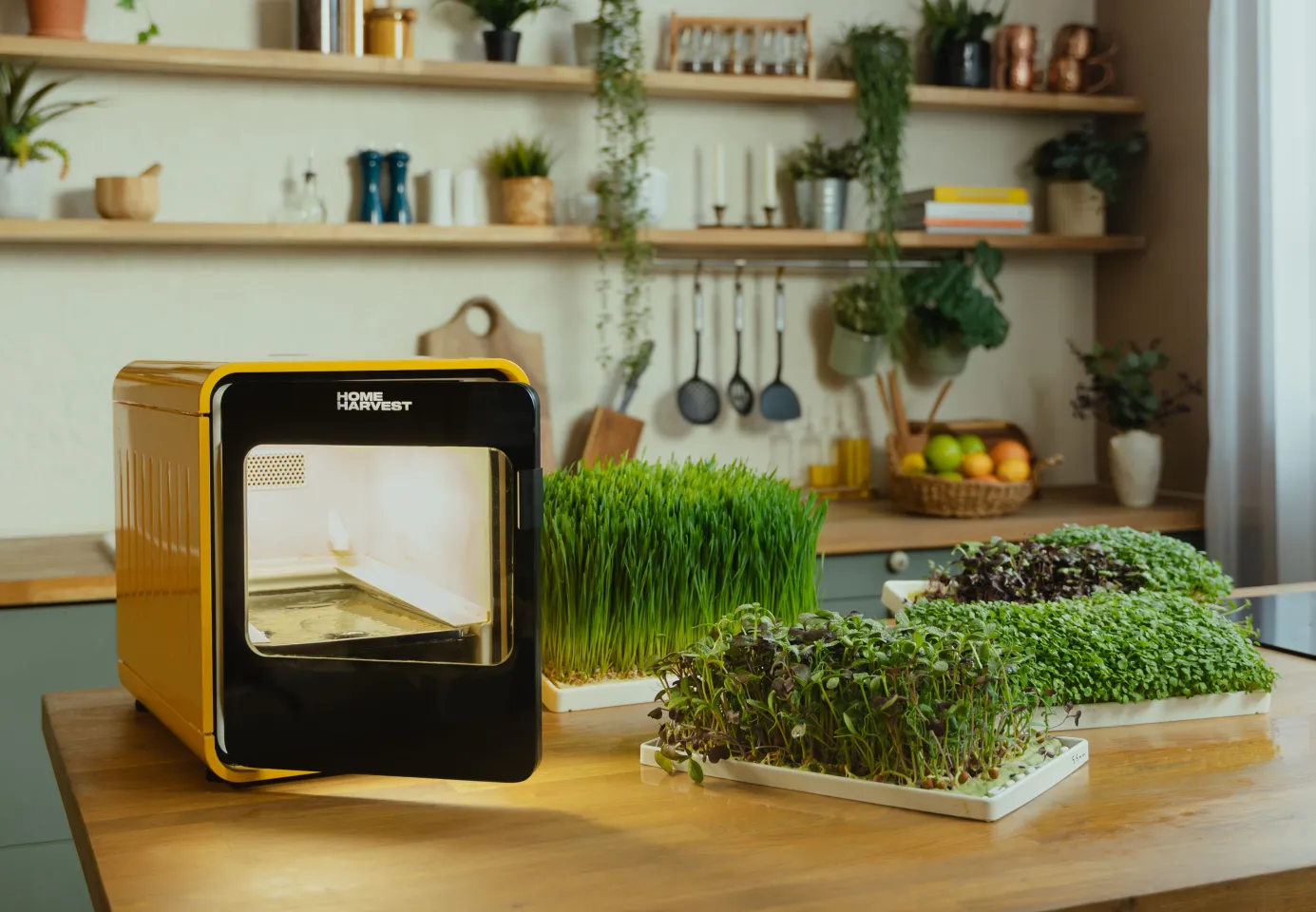
This countertop farm grows greens in 8 days and I already have questions
Eight days.
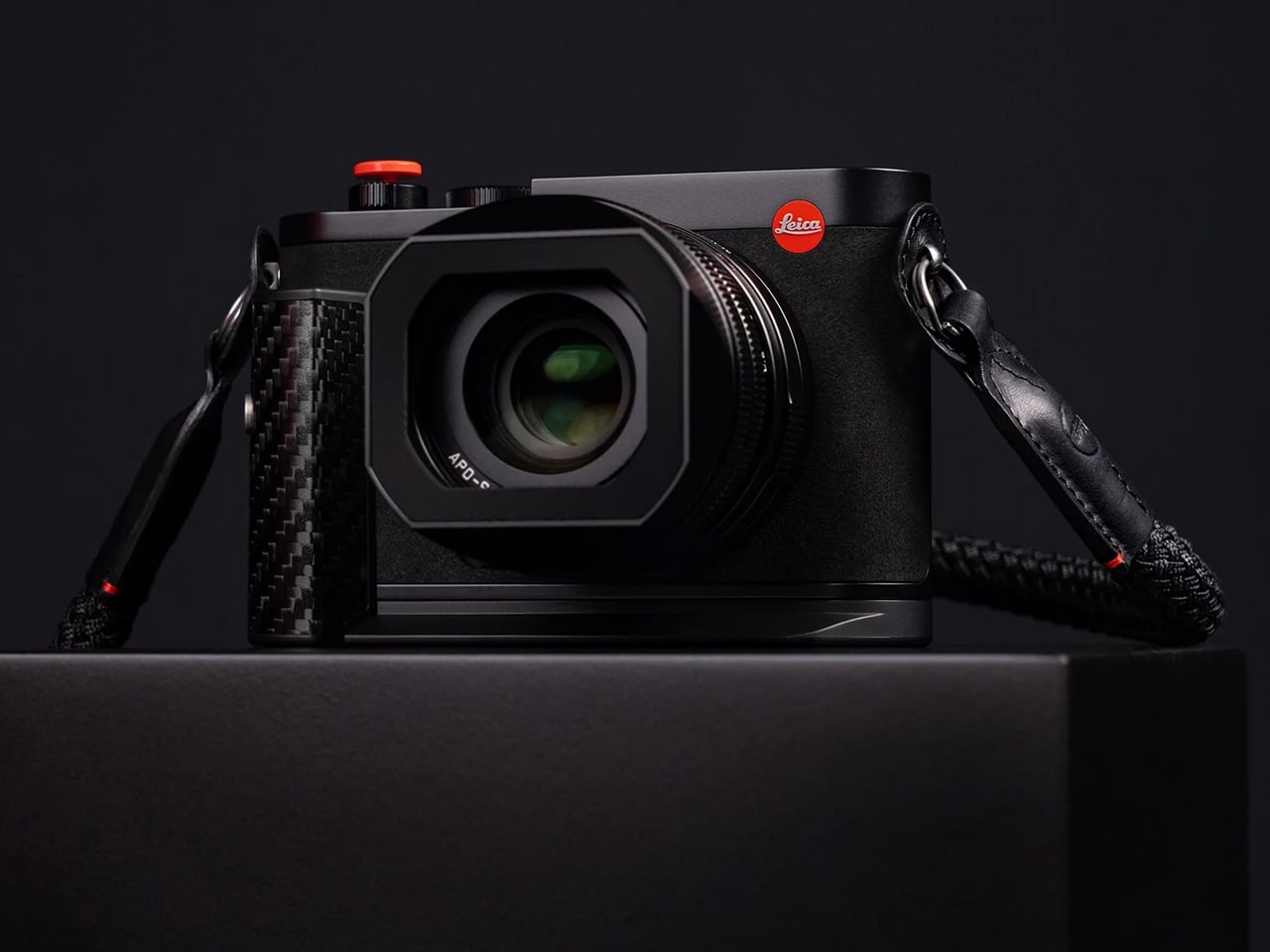
Leica marries motorsport carbon fiber to a Q3 you'll want to touch
Leica has bolted a piece of Formula 1 chassis onto a Q3, and the result looks like it could survive a pit-lane collision.
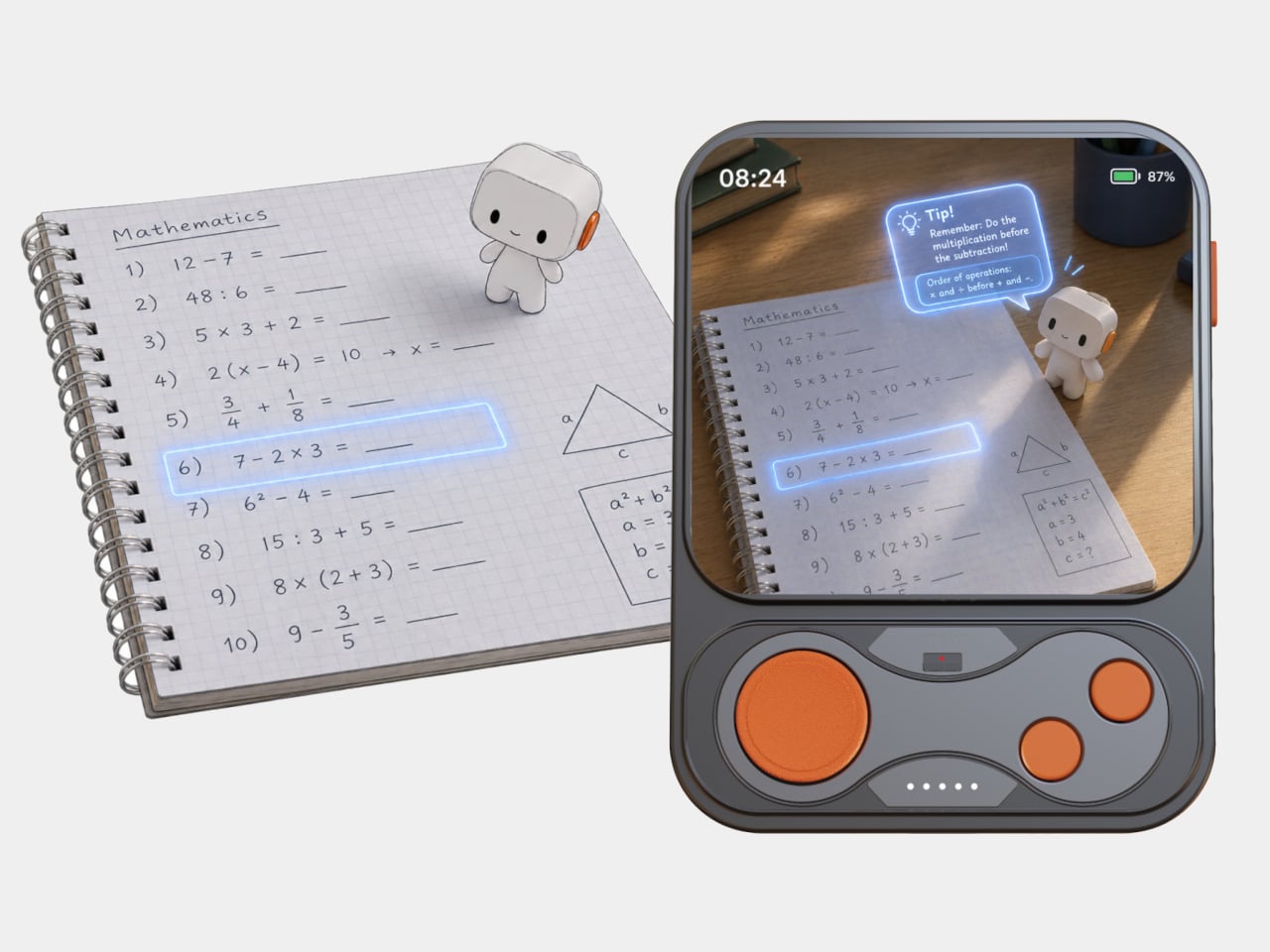
Nico's homework hints borrow a trick from your game controller
Nico's homework hints borrow a trick from your game controller: a well-timed rumble.

This tiny house has a home office and a netted hangout zone
The Wildscape's netted hangout zone is the first detail that snagged my attention, and I haven't stopped circling back to it since.
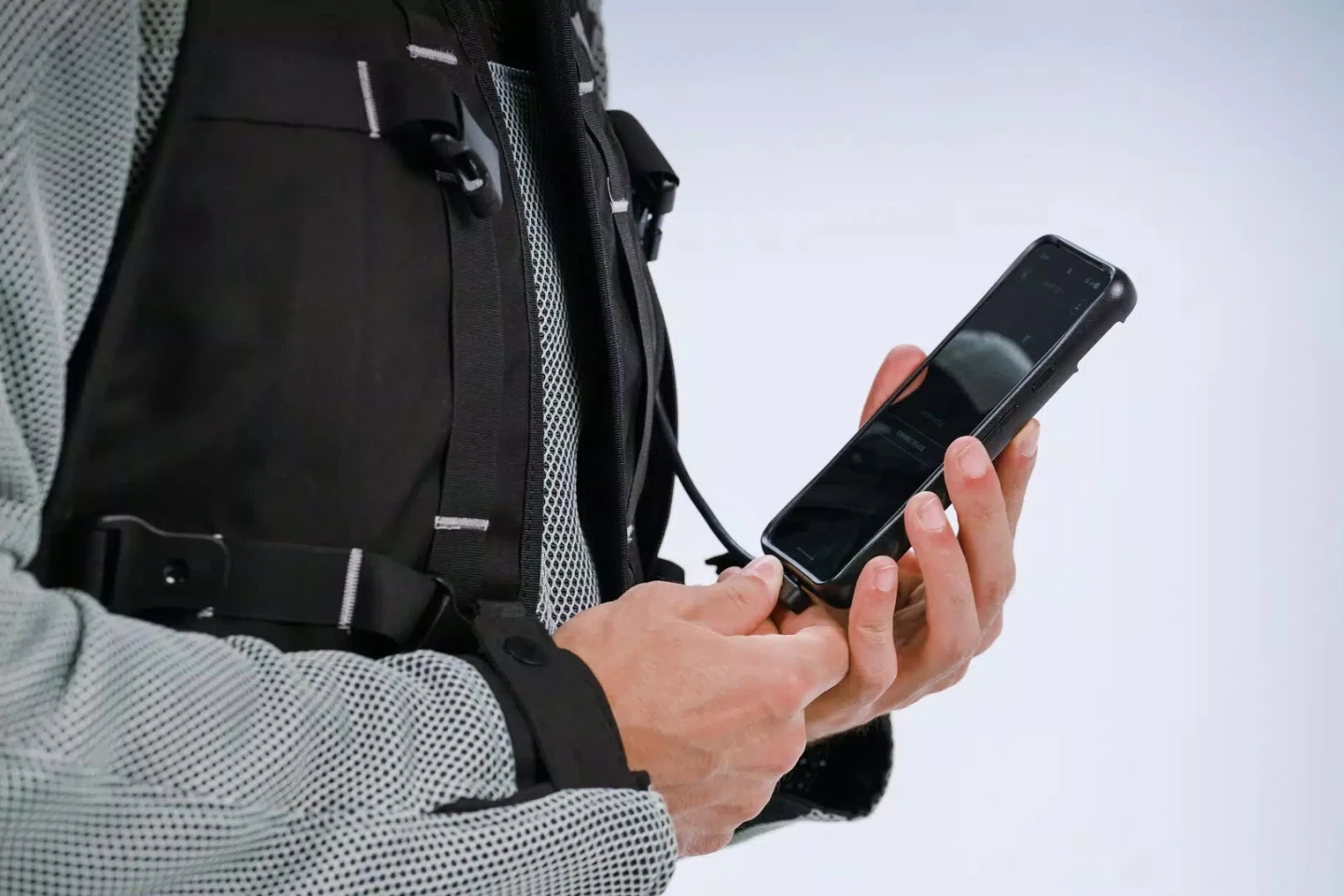
Dainese's new airbag vest runs off your phone instead of a battery
Dainese just made an airbag vest so small and light it doesn't even have a battery.

Opel's low wagon dares the SUV to explain its own height
Opel's low wagon doesn't just roll into the Paris Motor Show, it sidles up to the SUV, looks it in the grille, and asks, *why are you so tall?* For years, American roads have been a sea of high-riding crossovers and…

Houston's O27 bends glass like taffy, and the math is showing
A grid of triangular glass panels follows O27's swelling, pinched silhouette, making the proposed Houston skyscraper look almost elastic.
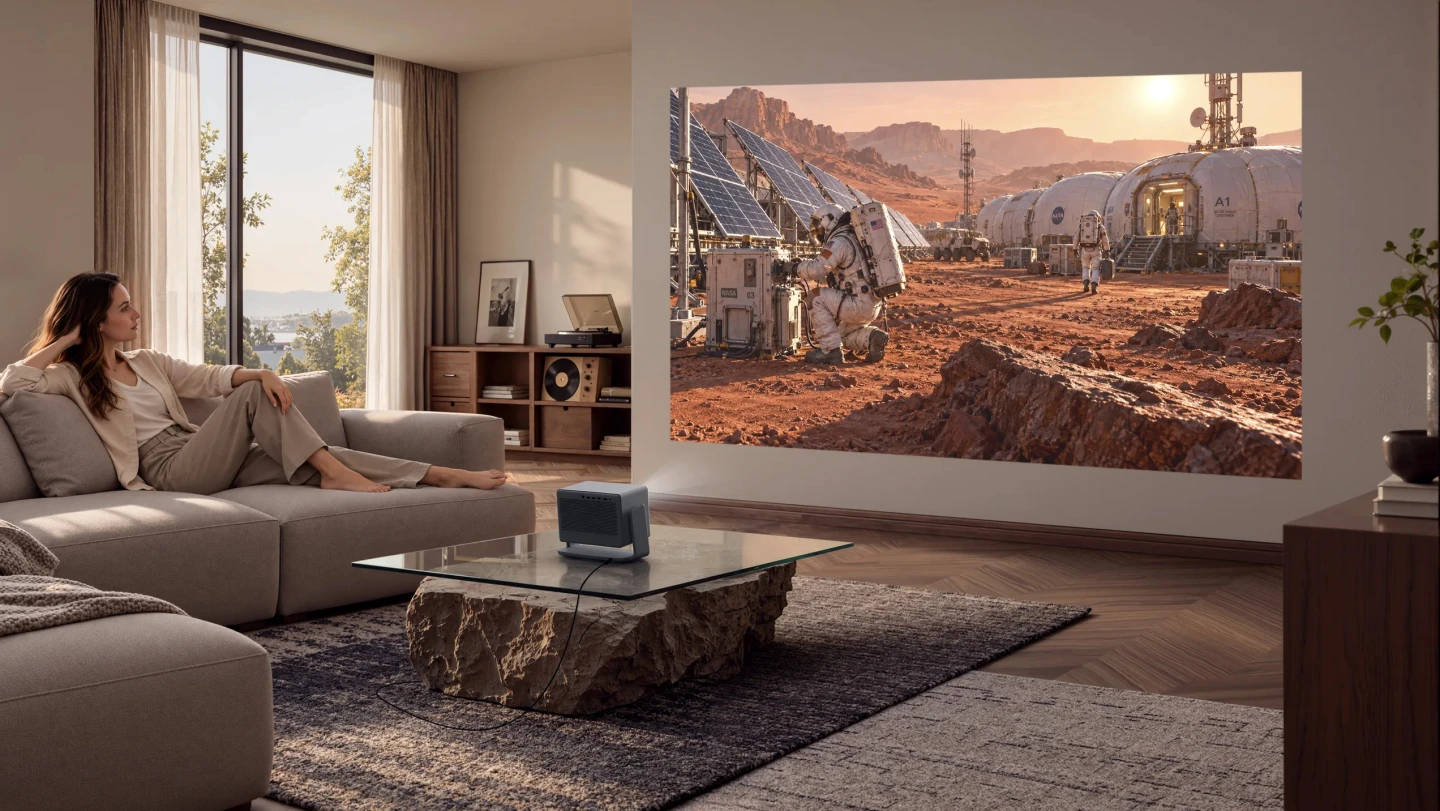
XGIMI's 4K Laser Projector Finally Kills the Lights-On Excuse
XGIMI's latest 4K laser projector doesn't just get brighter, it gets *meaner* about it.
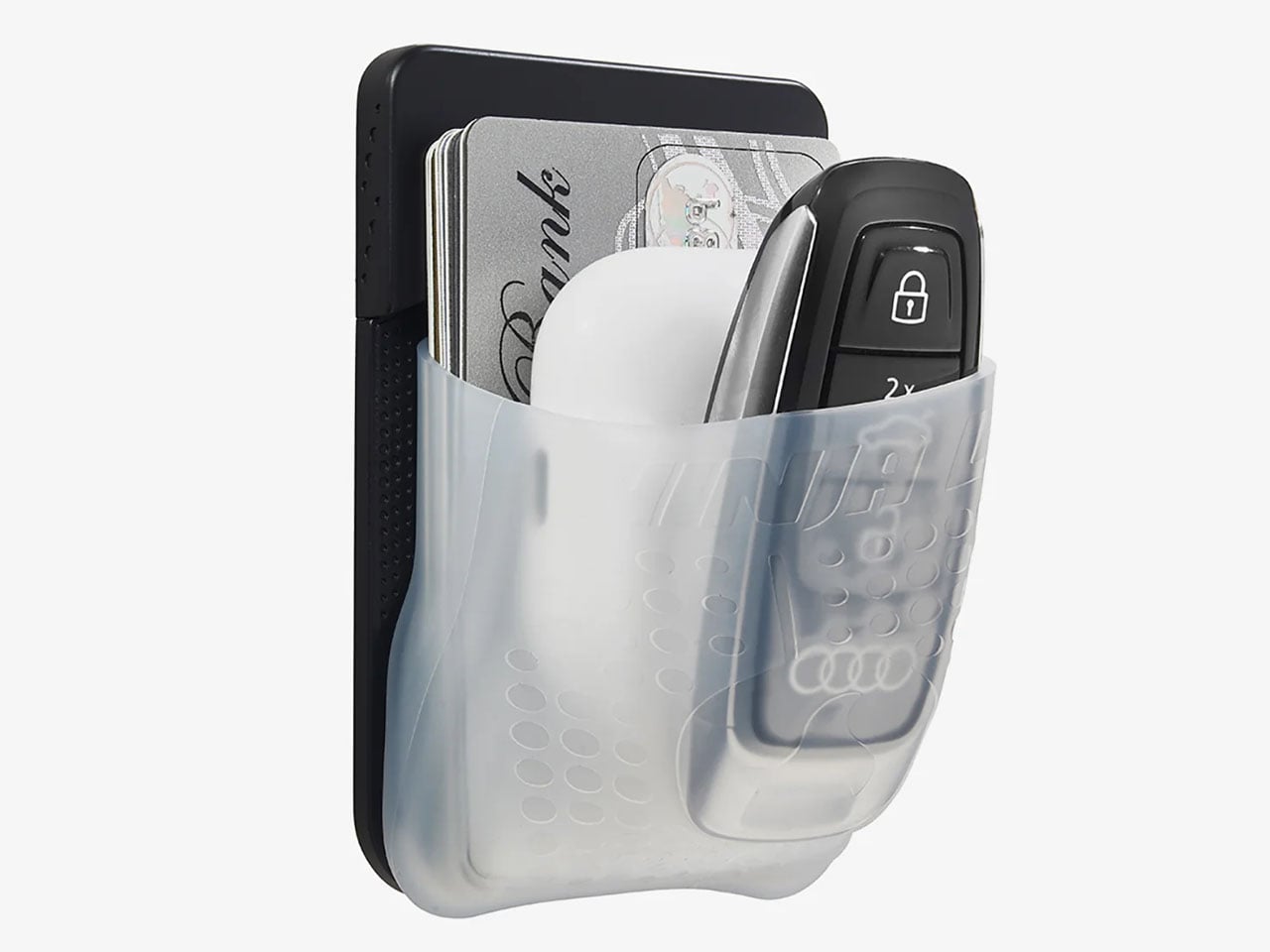
Ninja Labs turns your phone into a stretchy carry-all for the small stuff
Smartphones have become the focal point of everyday carry, but their slim profiles leave little room for the small essentials people take everywhere.

October's best office gear that doesn't scream cubicle at dinner
A laptop stand can be useful all day and still feel like an unwelcome guest at dinner.

Flair 2GO Squeezes Lever Espresso Out of the Camping Bag
Some people are fine with instant coffee and a camp stove.
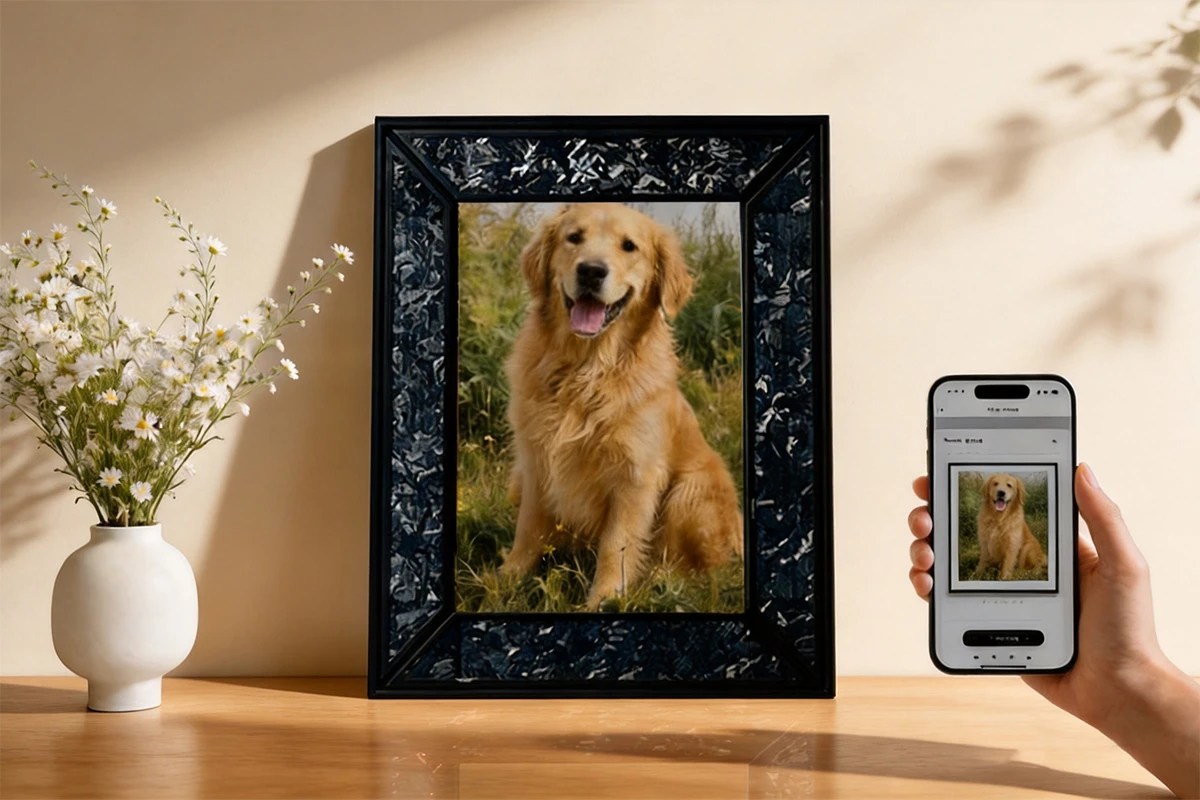
This ePaper frame feeds on sunlight, not hype
A solar-powered ePaper frame that doesn't need to be plugged in?

The 574 is on sale and your old pair just got jealous
A discount on the 574 isn't a surprise, it's a reflex.

That electric superbike hides its battery in a honeycomb and it's brilliant
Bees settled on the hexagon ages ago, and nobody has topped it since.

Brick Night costs more than double because it knows where you sleep
Brick, the company that made a $59 brick you tap your phone against to stop using apps, just released a bigger, pricier version that knows where you sleep.
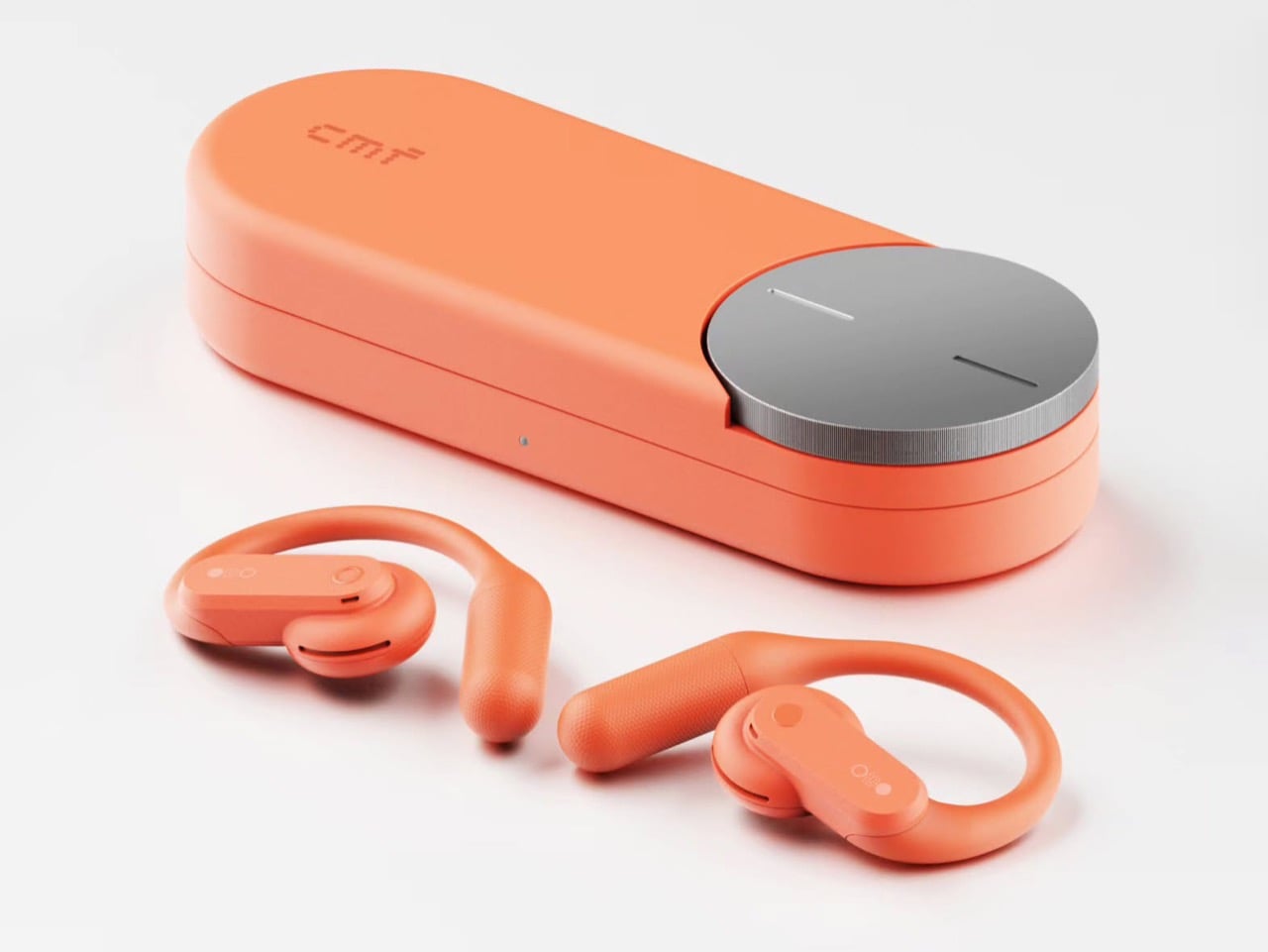
Nothing's See-Through Earbuds Got Stuck Under the Wrong Brand
Nothing's Ear (open) debuted in 2024 at $149, wrapped in that signature transparent plastic, and I'll say it plainly: this thing launched under the wrong logo.

Kevlar phone cases are here, and they're more vacation than vest
Kevlar has spent most of its career in serious places, like bulletproof vests, racing tires, and the occasional helmet.

The Tinde's porch roof steals the show before you step inside
The Tinde's most distinctive space sits outside its front door.

Tuesday Labs' Voxel Series-1 is a chore bot that sidesteps the uncanny creep
Tuesday Labs' Voxel Series-1 is a chore bot that sidesteps the uncanny creep by refusing to pretend it's human.
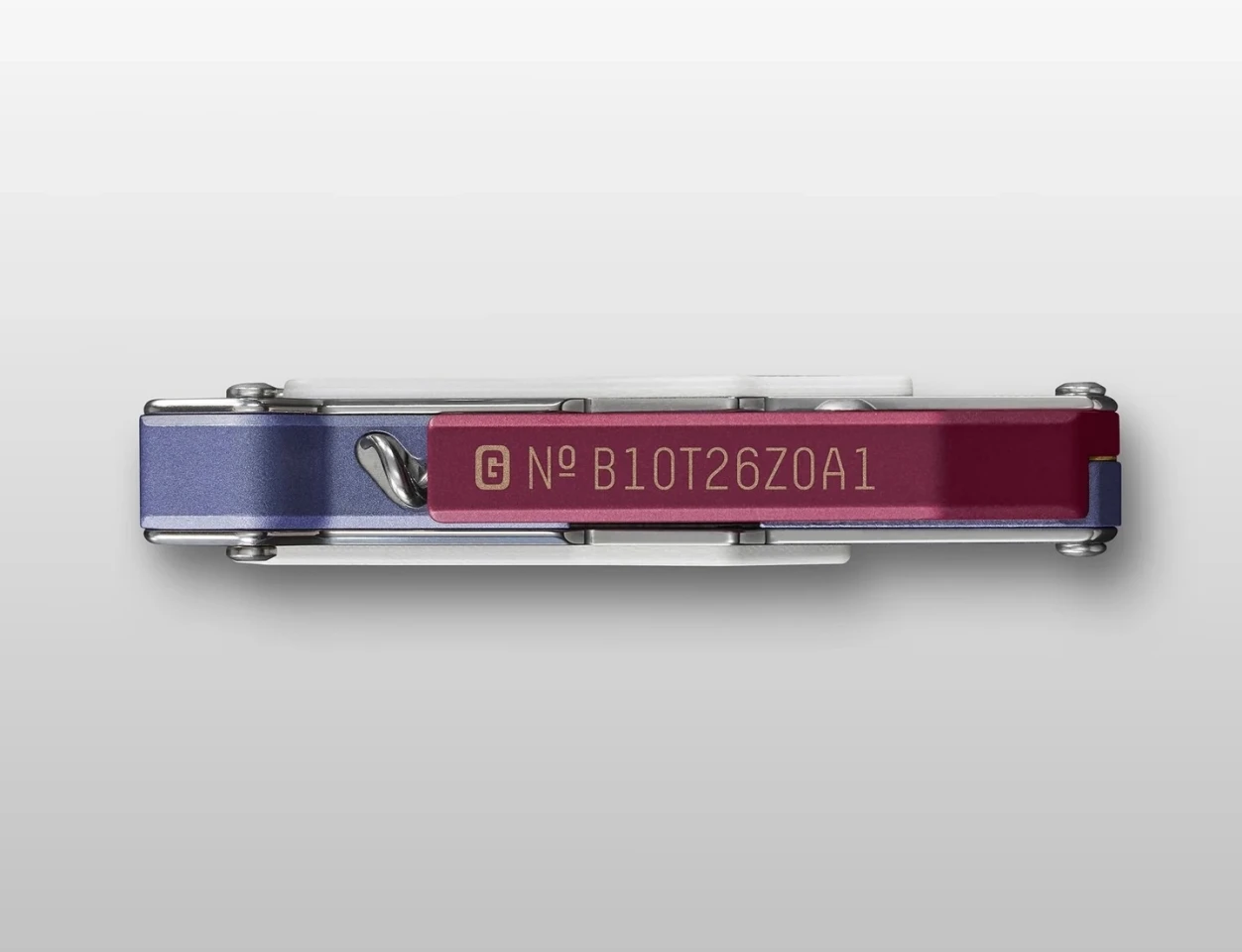
Leatherman finally gave wine drinkers a corkscrew and called it a picnic
Leatherman finally gave wine drinkers a corkscrew and called it a picnic.
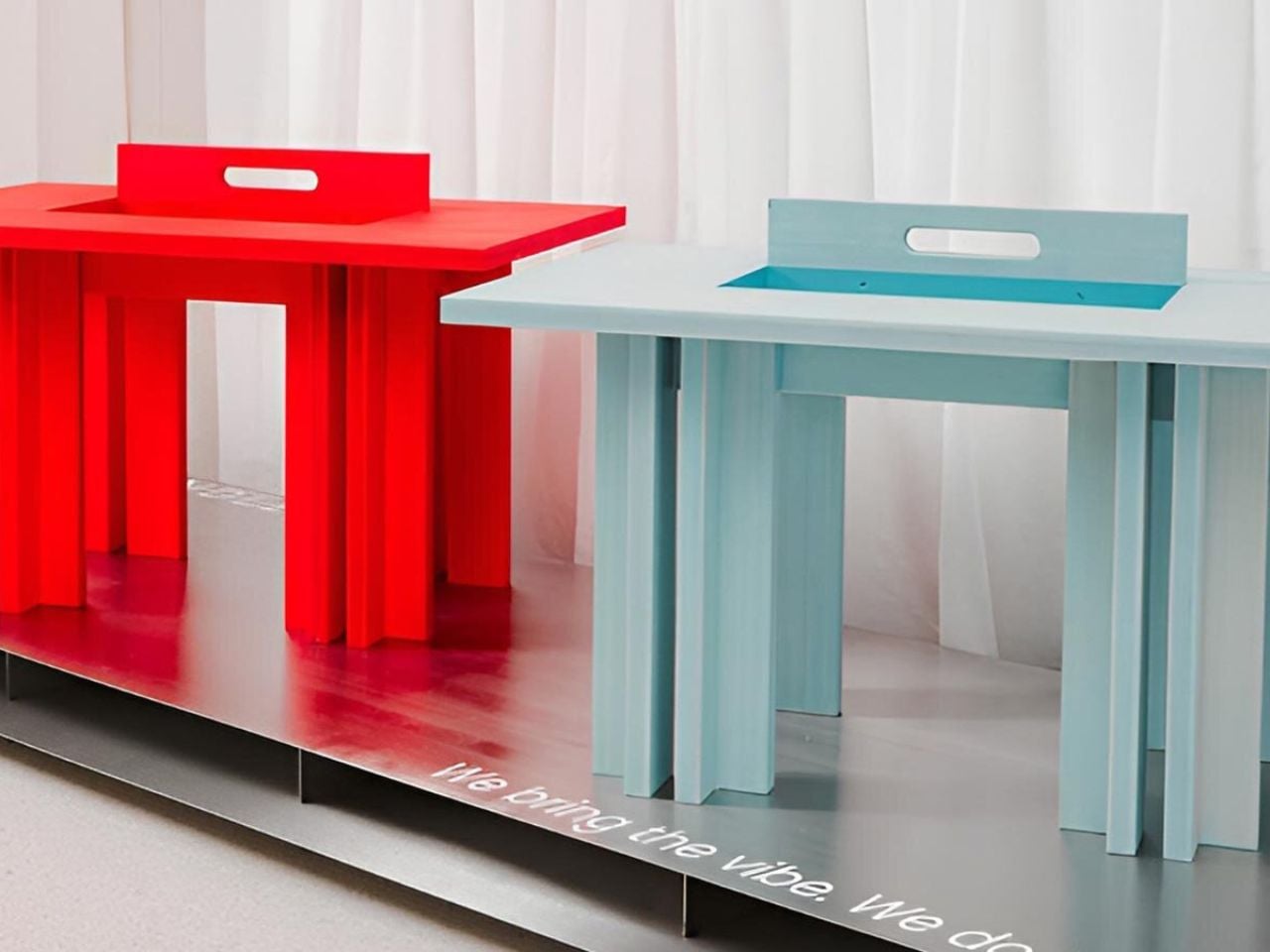
That Bamboo Coffee Table Has a Secret Compartment for the Clutter You Ignore
There's a coffee table that wants you to stop pretending you'll deal with the remotes later.

New Balance's 990 gets its first real tweak since 2022
The 990's sole got a full rewrite, New Balance finally gave its most stubborn icon a real tweak, the first major overhaul since 2022.

This tiny house sleeps eight and still feels like a real apartment
Eight people in a tiny house sounds like a dare, but this XL model pulls it off by feeling more like an apartment on wheels than a game of sardines.
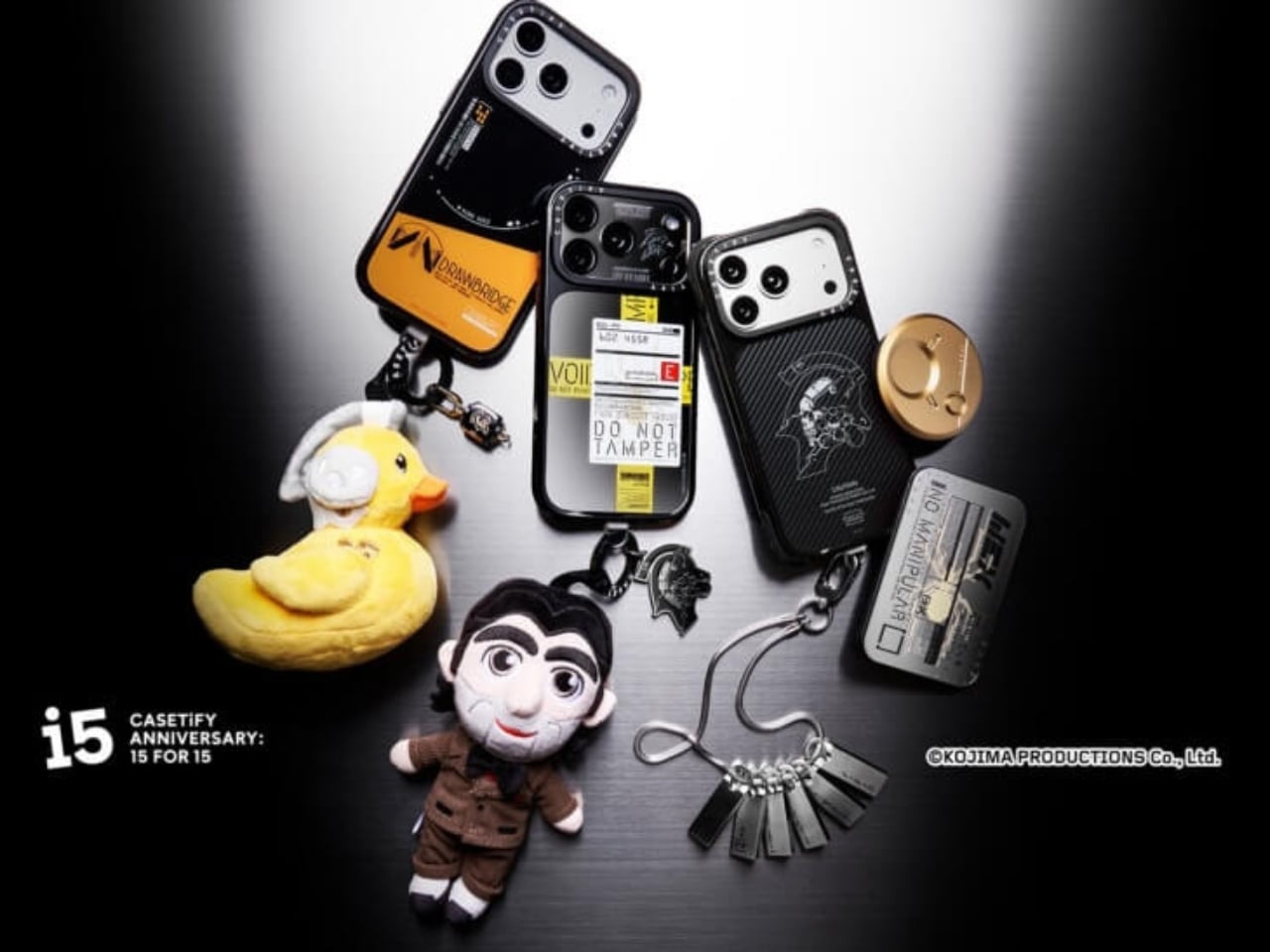
Spoot's not shelving this Kojima collab: it's checking if the gear holds up
A miniature piece of sci-fi equipment becomes more appealing to me when it has a job beyond occupying a shelf.
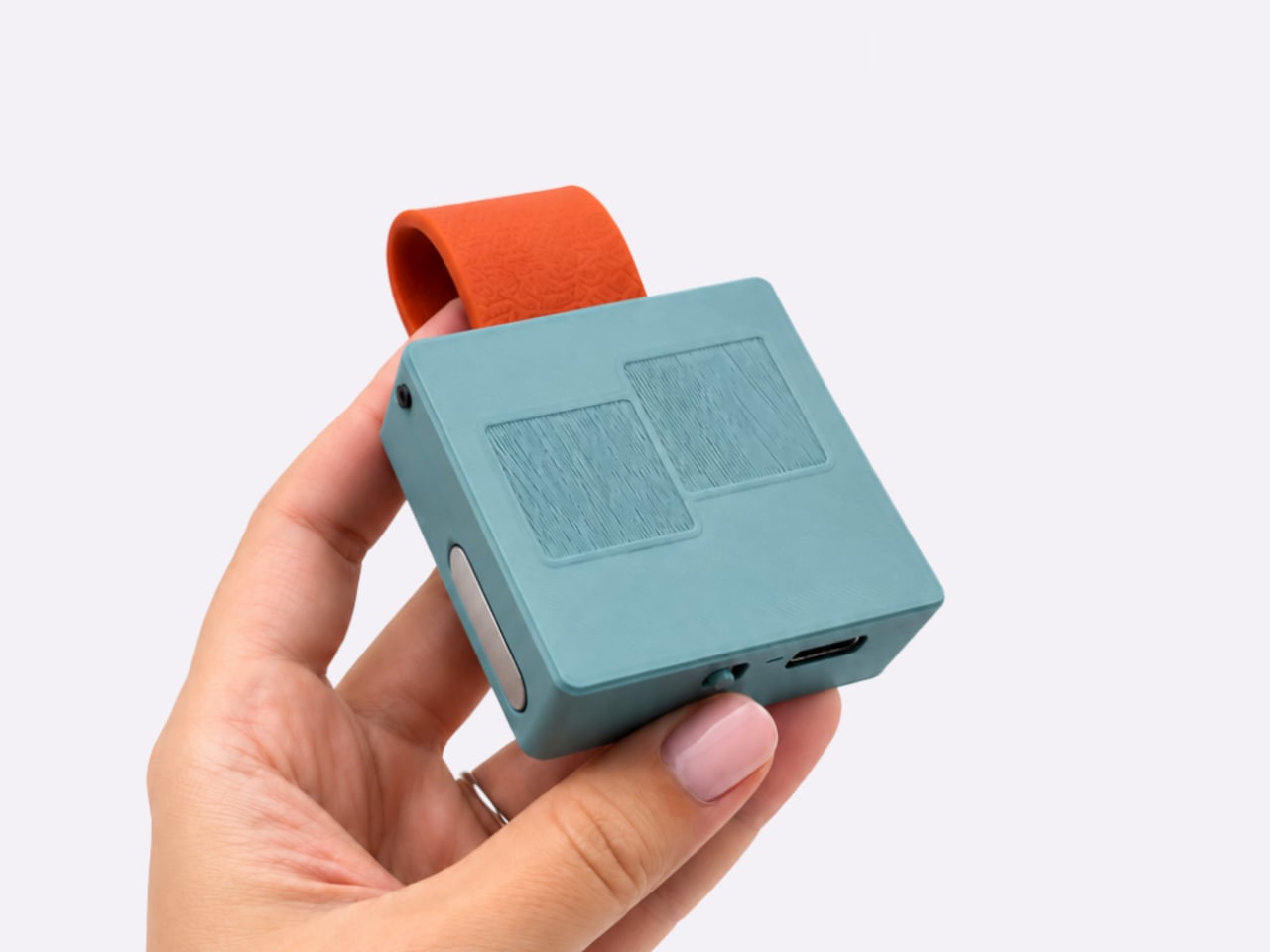
TypAir straps a keyboard to your wrist so you can type without talking
TypAir straps a keyboard to your wrist so you can type without talking.

Amazon and Best Buy are already cutting the new Fire TV Stick 4K in half
Amazon and Best Buy are already slashing the new Fire TV Stick 4K in half, just weeks after it landed.
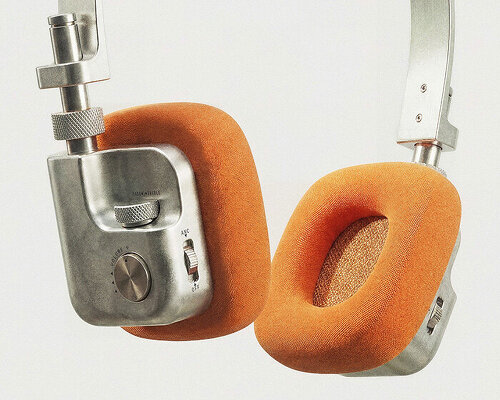
The tune X3 headphones borrow screws and soul from vintage studio gear
The tune X3 headphones by préssec have exposed screws, brushed aluminum, and the kind of tactile audio adjustments that make you want to touch them before you hear them.

Aura Smart Bird Feeder takes a $140 dive, and Spoot is watching from the couch
The Aura Smart Bird Feeder is $140 off, and I'm not sure I've ever watched birds from my couch this seriously.

Atari VCS finally closes its store, ending a decade-long death crawl
February 1st, 2027.

Coolpad steals the foldable's screen without the folding trick
The Coolpad Cool X Wide has a screen that's basically the same size as a closed Galaxy Z Fold 8 or an iPhone Duo, but it doesn't fold.