
camera phone features
Spoot: Spotted Early keeps camera phone features in one place: 25 stories so far. The section currently leads with “OPPO's Find X10 hands you 200 megapixels and asks where your tripod's been hiding”, “This Screwdriver Sniffs Out the Right Bit and Lights the Way”, and “Retailers are already blinking first: here come the early Black Friday deals”. Two hundred megapixels is a lot of nerve, and OPPO's Find X10 lineup is leaning all the way into it. Tiny screws have a knack for making simple repairs feel surprisingly complicated. Spoot: Spotted Early New things, caught while they're still new and a little weird. Spoot finds fresh gadgets, clever inventions, crowdfunding campaigns,… The list below is every camera phone features story on Spoot: Spotted Early, newest first.
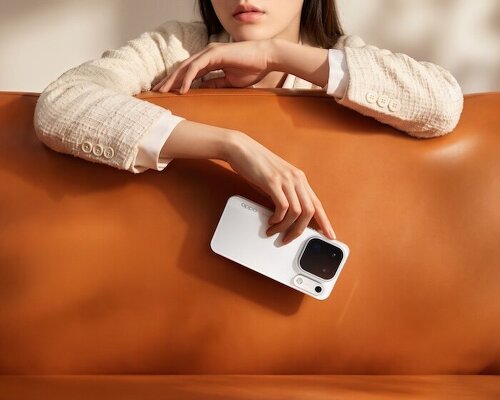
OPPO's Find X10 hands you 200 megapixels and asks where your tripod's been hiding
Two hundred megapixels is a lot of nerve, and OPPO's Find X10 lineup is leaning all the way into it. The Hasselblad-tuned cameras aren't just chasing resolution for the sake of a spec sheet; they're gunning for open gate video and AI-assisted editing, which means the phone wants to be your entire production kit. That's ambitious. It's also the kind of promise that makes you wonder how much of the heavy lifting happens in the lens versus the processor. OPPO is asking photographers and filmmakers to trust the pipeline, and the razor clam here is the video mode: shooting full-frame, un-cropped, and letting you decide the composition later. That's a genuinely clever trick. For those who like their tools sharp and their claims slightly suspicious, this one's worth circling back to. Stay spooty.
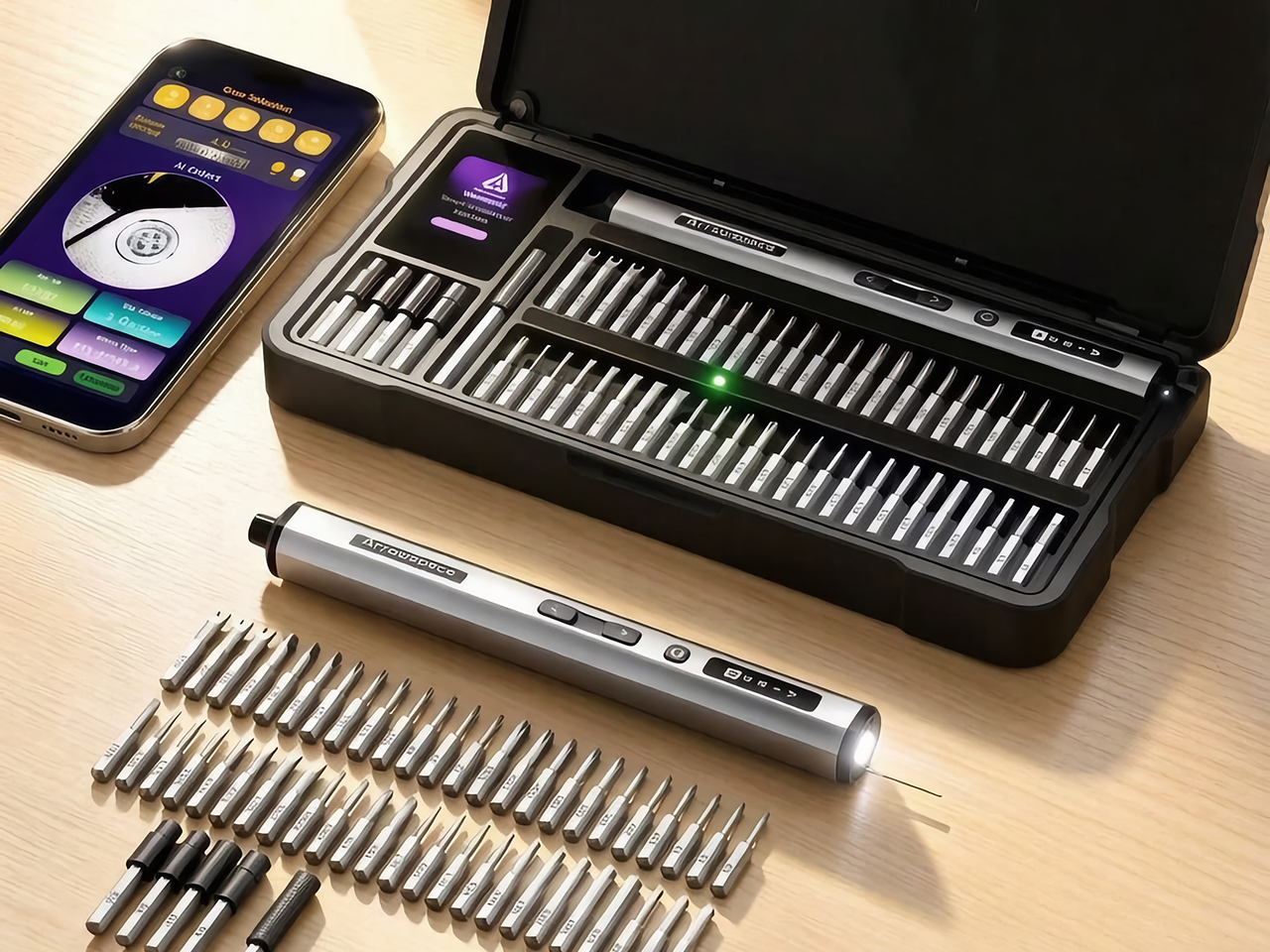
This Screwdriver Sniffs Out the Right Bit and Lights the Way
Tiny screws have a knack for making simple repairs feel surprisingly complicated. You sit down to open a laptop, only to discover that choosing the wrong bit strips the head and turns a five-minute job into a quiet crisis. Arrowspace watched that happen one too many times and built the S1 Screwdriver Kit, which scans the screw and lights up the correct bit before you touch it. It is a small, specific kind of intelligence, the sort that belongs inside a tool, not a phone app. The kit comes with a dock that charges the driver and stores the bits, and the whole thing feels like the endgame for people who own more than one tiny Phillips head.

Retailers are already blinking first: here come the early Black Friday deals
Retailers are already blinking first. Black Friday isn't until November 27th, but the early deals are tumbling out, and we've been poking through the pile. A discount isn't automatically a historic low, especially with prices climbing everywhere, but there's worthwhile gear here if you want to skip the holiday rush. The Ember Mug 3 finally lets you adjust heat on the mug itself and toss it in the dishwasher, two details the first version should have had. The Hisense CanvasTV hides a 144Hz gaming panel behind matte wall-art glass, which is the kind of split personality we love. We're keeping a tab open on this guide as prices shift. If you prefer your tools to scan a screw before you pick a bit, see our piece on the Arrowspace S1 Screwdriver Kit.

Motorola wants sixteen hundred bucks for a phone that looks like a spider
Motorola wants sixteen hundred bucks for a phone that looks like a spider, and honestly? That green is so nice I can almost forgive the camera bump for having eight eyes. The Signature 27 is Motorola's first real attempt at a no-compromise slab flagship in years, and it's finally taking on the Samsung Galaxy S26 Ultra instead of just making foldables that look good. The company has nailed the Razr's design, but this is different, this is daring to charge premium money without the nostalgia crutch. I'm curious whether the specs match the price tag, or if this is just a pretty face with a creepy back.

Peak Design's new iPhone add-on is the pocket tool your phone didn't know it needed
Peak Design's new iPhone add-on is a tiny, beautifully machined piece of metal that turns your phone into a tripod mount, a hand strap, a wrist strap, and a thing you can just _hold_ differently. It's called the Universal Bar, and it's so simple you'll wonder why nobody did it exactly like this before. A clever hinge. A satisfying click. It attaches to Peak Design's existing cases and opens up a whole ecosystem of carrying options without adding bulk. This is the pocket tool your phone didn't know it needed, and the kind of thoughtful, sturdy design that makes you want to carry your phone more, not less.

Nothing's new AI gadget ships next month with no screen, just questions
Nothing CEO Carl Pei posted on X that the company's first AI-native device ships next month, and he's being weird about it on purpose. No screen. Couldn't have been an app. That's the whole pitch so far, a tool with personality, but one you can't look at. It's a bold move from a company that made its name on translucent shells and blinking lights, and it raises the exact question Spoot loves: what does it actually do? Pei isn't saying yet, just teasing an ambiguous black rounded shape in a single image. The Verge has the full story. If you're in the mood for more hardware that hides its cleverness, Peak Design's new chargers want you to stop settling for cheap plastic, a different kind of refusal to do things the obvious way.
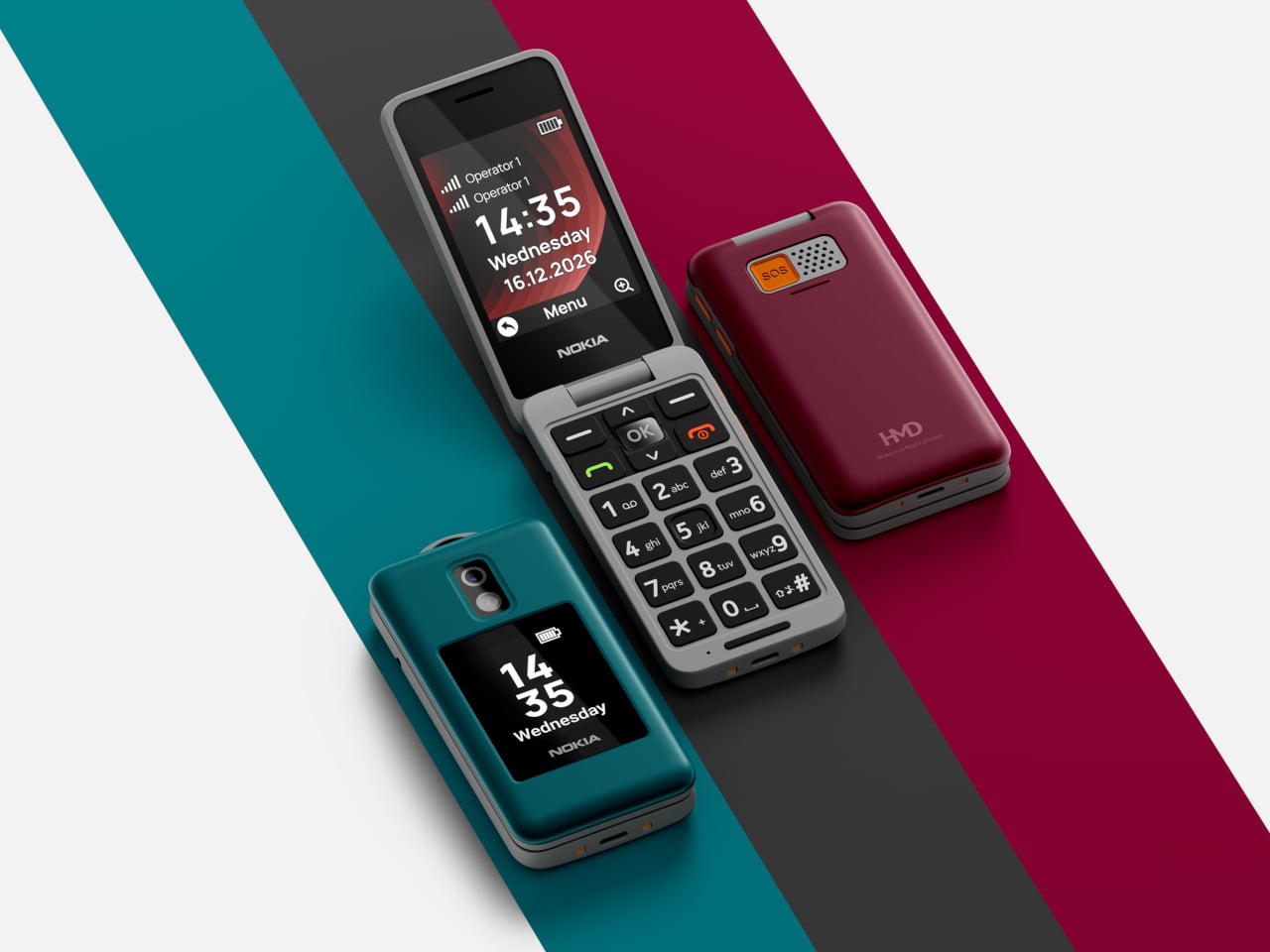
Nokia's new flip phone sets up from afar but refuses to leave 2G behind
Nokia's new flip phone sets up from across the room, but it refuses to leave 2G behind. The 2360 Flip Phone offers remote setup, which is genuinely clever for anyone buying a phone for a parent who lives a few hours away. But it sticks with 2G, and that's the detail that makes you stop scrolling. Smartphones can do almost anything these days, but that doesn't make them the best choice for someone who simply wants to make a call. HMD's approach here is refreshingly narrow. It asks what a phone actually needs to do, then stops adding. No app store. No camera bump. Just a reliable connection. If you're the type who circles back to weird little hardware bets, you probably also had a tab open on the Aura Smart Bird Feeder.
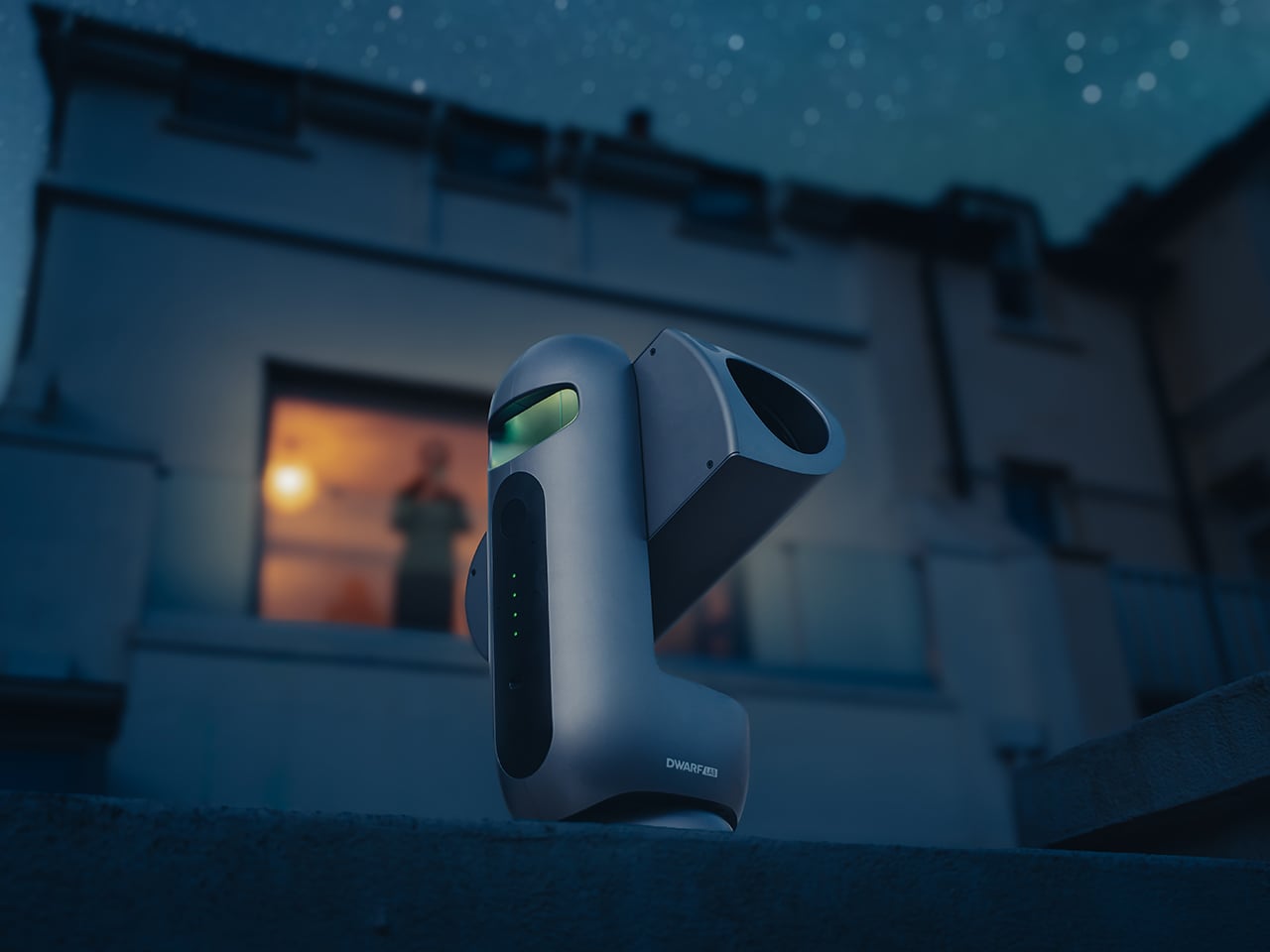
Draco the smart telescope wakes itself up to shoot stars while you sleep
About 4,500 years ago, while the Egyptians were busy stacking pyramids, the North Star was a completely different star called Thuban. It sat in the same spot in the sky, but the Earth's slow wobble swapped it out. Draco the smart telescope understands that kind of patience. It wakes itself up while you sleep, shoots the night sky automatically, and hands you the results in the morning. A 90mm aperture and a brain that decides when conditions are right. No standing in the cold, no fiddling with focus. This is a telescope that does the stargazing for you. It is deeply nerdy in the best way, a gadget for people who want the photo without the process.

Aura Smart Bird Feeder takes a $140 dive, and Spoot is watching from the couch
The Aura Smart Bird Feeder is $140 off, and I'm not sure I've ever watched birds from my couch this seriously. Coolfly and Birdfy are both slashing prices on their camera-equipped feeders right now, so if you've been curious about the trend, this is the moment to burrow in. The Aura drops to $149.90, and its side-mounted camera captures a wider, more natural view than most, 2.5K video, full-color night vision, and AI that identifies over 10,000 species without a subscription. Birdfy's feeder costs less upfront, but solar charging and lifetime AI cost extra unless you bundle. Jennifer Pattison Tuohy called the Aura an impressive package, and I trust her on battery life and that giant seed hopper.

Kevlar phone cases are here, and they're more vacation than vest
Kevlar has spent most of its career in serious places, like bulletproof vests, racing tires, and the occasional helmet. Chemist Stephanie Kwolek invented it at DuPont in 1965, and for decades it has meant business. Benks, however, has other ideas. Its new Kevlar iPhone 18 Pro cases look ready for a holiday cruise, not a tactical operation. The material is the same stuff that stops bullets, but the vibe is pure vacation. That contrast is what makes this interesting. Benks is betting Kevlar can be luxurious, not just armored. We're curious whether the cases actually feel as refined as they look, or if the fiber's functional heritage leaves a rough edge. It's a clever pivot for a material usually found in life-or-death contexts.
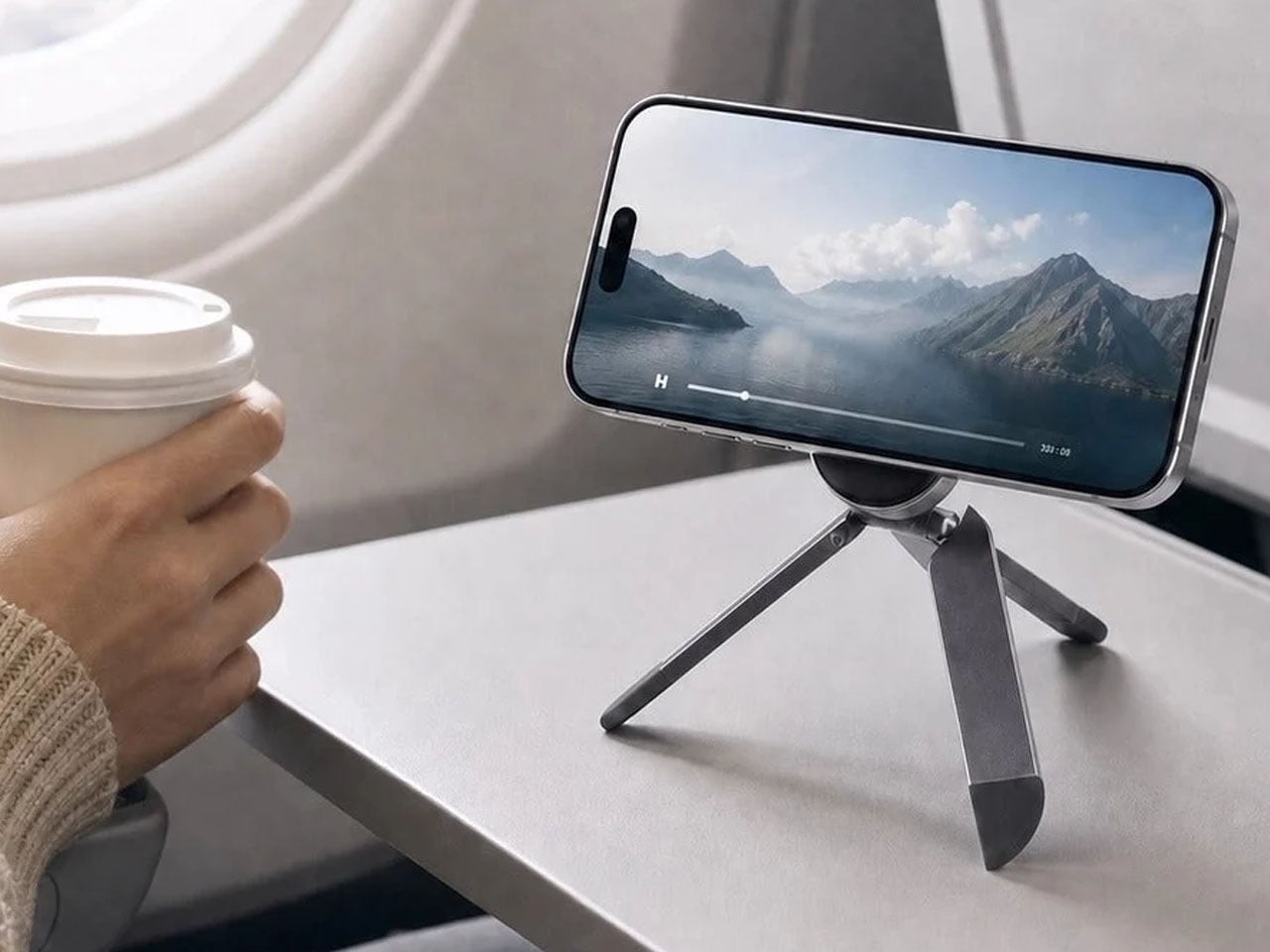
Three phone props in one, and it folds flat enough to forget
There's a particular kind of magic in an accessory that folds flat enough to forget, and then remembers it's a tripod, a stand, and a grip the moment your arm gets tired. This one does that trick. It burrows into your pocket like a slim nothing, then unfolds into three distinctly useful personalities. The grip is for the selfie you'll deny taking. The tripod is for the shot that needs a steady hand you don't have. The stand is for the video call you're already late to. It won't replace a proper rig, but it doesn't want to. It just wants to be the thing you actually carry.
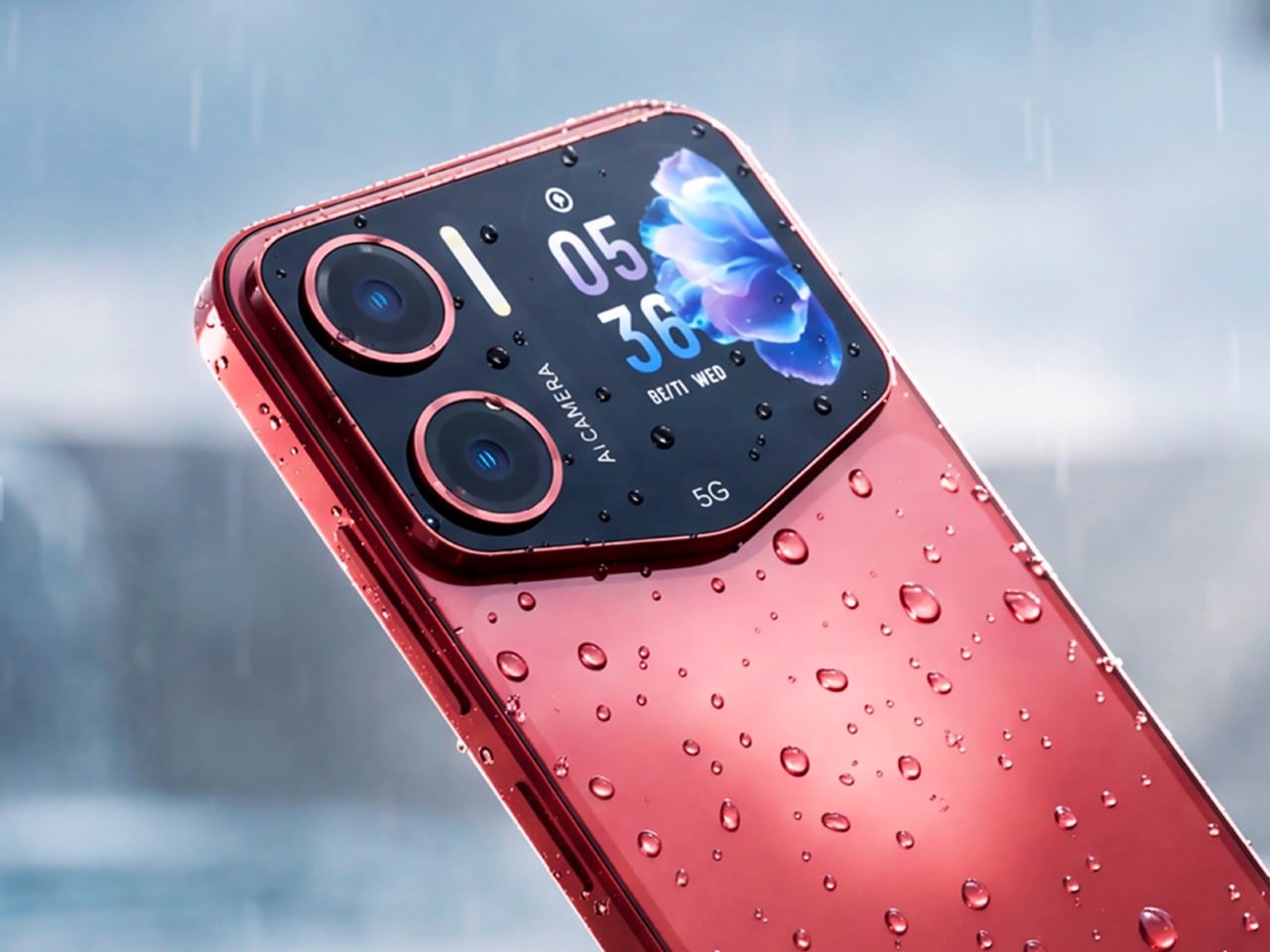
Acer's new phone hides a tiny screen where its camera should be
Some phones look like slabs, some look like jewelry, and the Acer Sospiro A70 looks dressed for a wedding. A black glass camera module runs down the back, but tucked inside it, where the second lens should be, sits a tiny display. That's the razor clam. Acer didn't shout about it; it just buried it in the spec sheet, right next to the microSD slot and the headphone jack, which are still there because Acer apparently remembers what pockets are for. The screen probably shows notifications, maybe a selfie preview, and honestly, that's enough to make me curious. It's the kind of quiet, practical weirdness that makes you wonder why everyone else stopped trying. For more delightful oddities, check out our take on the BirdVue feeder, which also refuses to follow the obvious path.
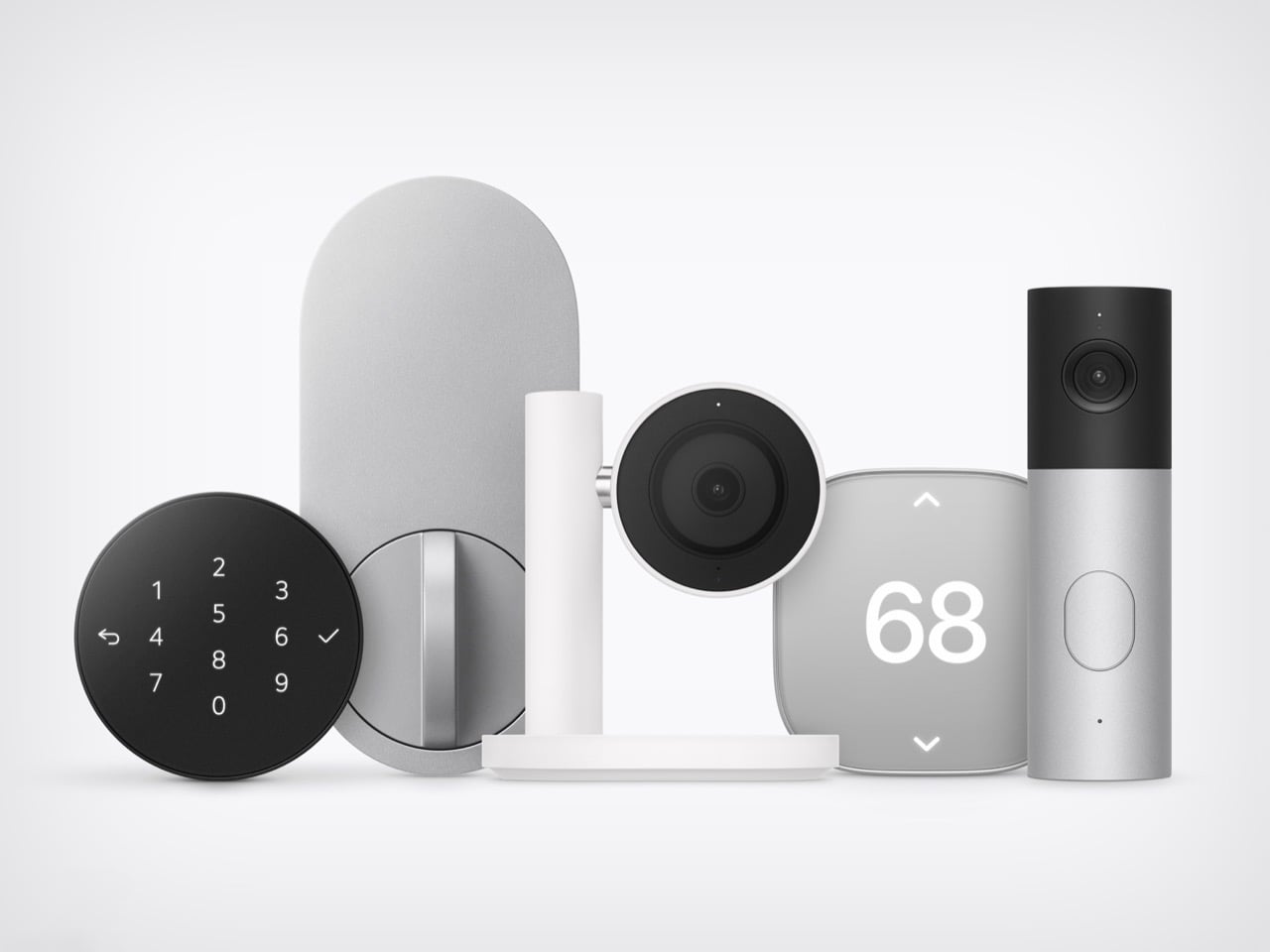
John Ternus is making Apple weird again and twelve new designs prove it
John Ternus is making Apple weird again, and twelve new designs prove it. Fifteen years of polished arrivals, of showing up late with the best snacks, gone. Under Ternus, Apple has shipped twelve new designs in six weeks, and they don't feel like committee decisions. They feel like someone finally asked what if the thing had a hinge that made you stop, or a material that shouldn't work but does. I love it. This is the Apple that used to burrow into your curiosity and stay there. It helps that the new Citroën 2CV concept is doing something similar on wheels, reinventing a classic as a tiny electric roll-top, weird and wonderful. Ternus isn't polishing a legacy; he's prying it open.
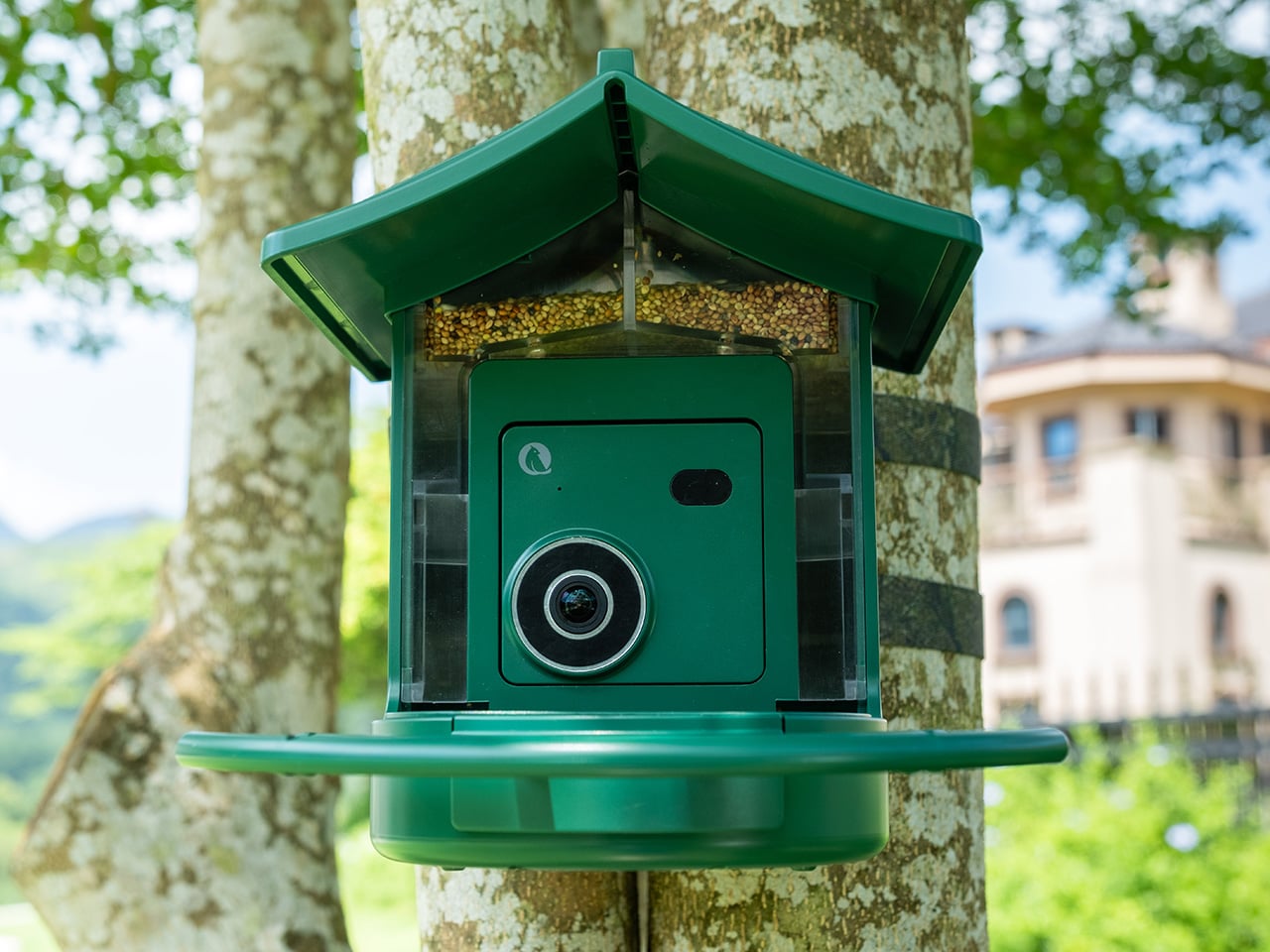
BirdVue Beams Feeder Feeds Straight to Your Phone, No Wi-Fi Required
The BirdVue Beams feeder doesn't care where you live. It just needs a 4G signal, and suddenly your phone is a window into whatever branch, hedge, or remote corner of the garden the birds actually picked. That's the whole trick: no Wi-Fi, no hub, no wrestling with your router settings. You slap a SIM in, hang it up, and the feeder starts sending photos straight to your pocket. That's genuinely the razor clam here. Most smart feeders assume your backyard is a tech ecosystem. BirdVue assumes you just want to see the birds. It's a concept that feels obvious once you hear it, which is the best kind of concept. And it pairs nicely with the Await camera's 24-shot discipline: both gadgets make you look closer at what's already around you.
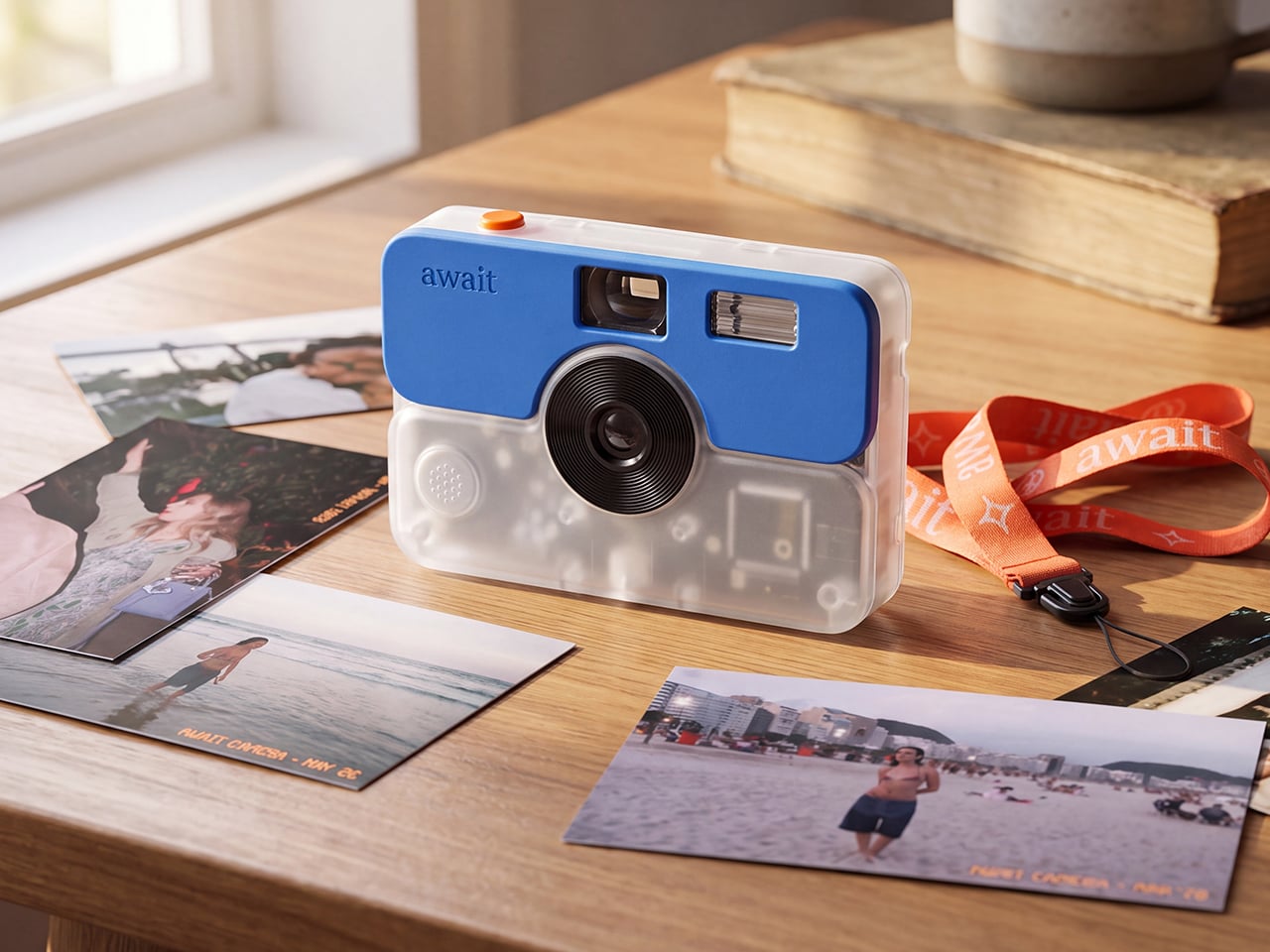
24 shots, zero duplicates: $146 Await makes every frame feel like film
Twenty-four shots. Zero duplicates. No infinite scroll of the same pasta dish, captured from slightly different angles and never opened again. The $146 Await camera drags us back to the disposable era, where every frame costs something and hesitation is the enemy of a good photo. It is a beautiful, deliberate constraint. The kind that forces you to feel the shutter press instead of just firing off a burst. We are all so busy documenting that we forget to look. Await makes you look. It is not a gimmick; it is a dare. And if you are tired of curating a camera roll that no one will ever scroll through, this is the gentle, expensive nudge you needed. Stay spooty.

The S26 Ultra hides your screen for $950, and that's the whole pitch
The S26 Ultra costs $950 to hide your screen, and honestly, that feels like the right price for the paranoia. Samsung's 6.9-inch flagship drops to $949.99 at Amazon, a solid $450 off its usual tag, and the headline trick is an adjustable privacy display that blanks out the whole screen, or just bits of it, for anyone peeking from a steep angle. The rest of the phone doesn't suffer for it. The camera hardware gets dual telephoto lenses and a 200-megapixel main sensor, which matters more in low light than any spec sheet suggests. It's still a big phone, though slimmer than the S25 Ultra. The S Pen is along for the ride. For a device this size, hiding your business from strangers feels less like a gimmick and more like a survival instinct.
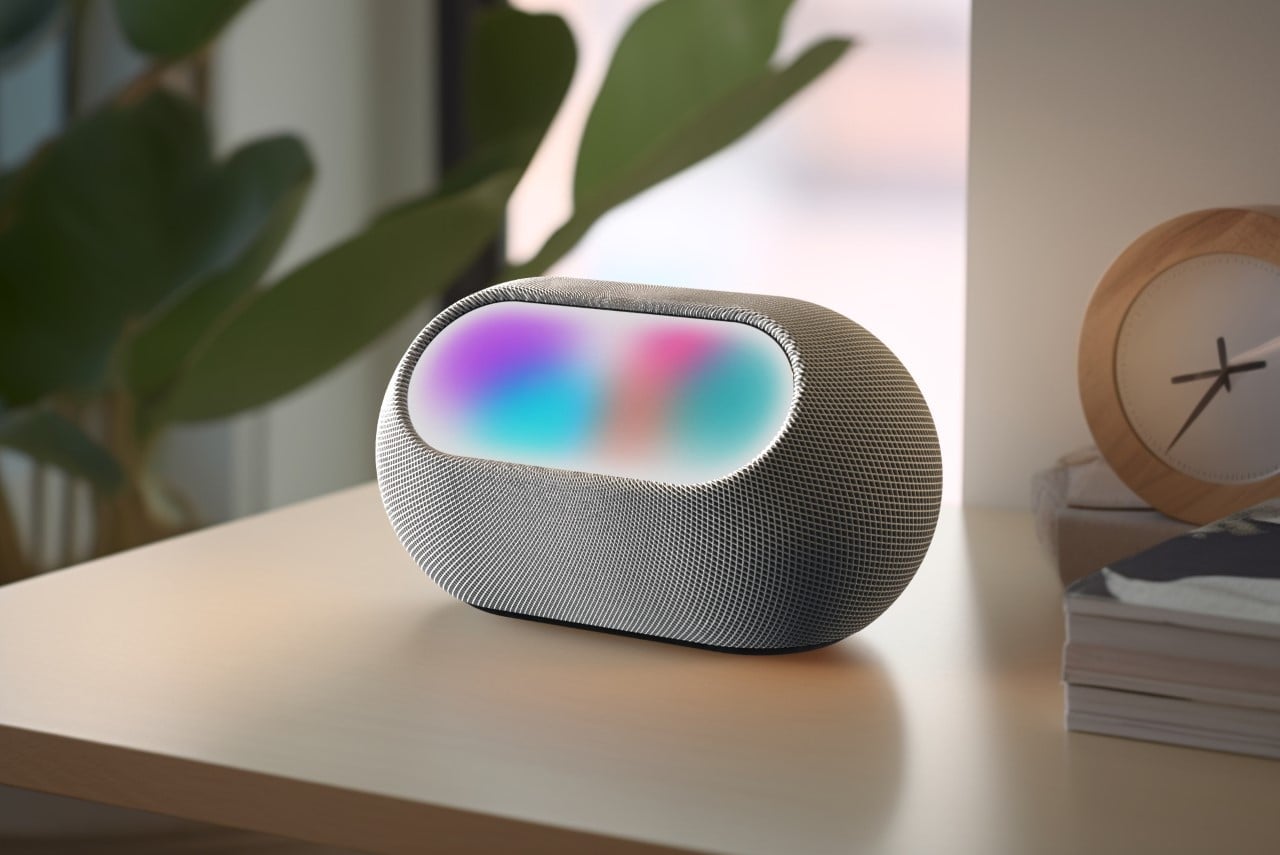
Apple's robot arm finally gives the HomePod something to reach for
Apple event names usually read like perfume ads. Wonderlust. Scary Fast. It's Glowtime. This one, though, landed with a thunk: October 13th, and the HomePod is finally getting something to reach for. A screen. A robotic arm. A speaker that turns toward you like a sunflower with better taste. The invite alone is doing more heavy lifting than a spec sheet, because the question was never whether the HomePod sounded good. It always did. The question was whether it would ever do anything worth watching. Now it moves. That's the razor clam: not the display, not the motor, but the implication that Apple finally believes a speaker should follow you around the room. If you've ever yelled at a stationary device from the couch, you already know why this matters.
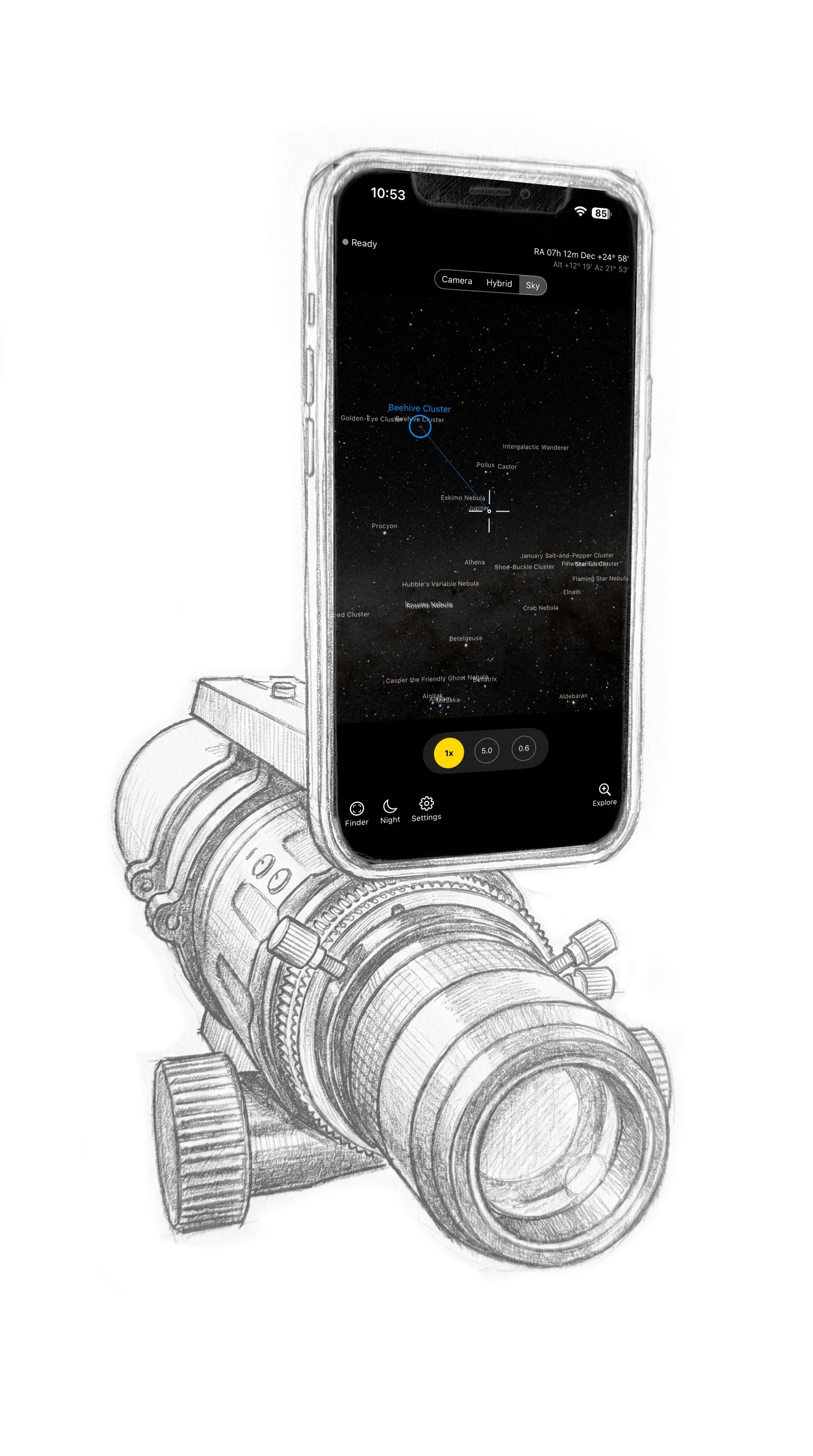
Your phone camera just became a telescope's brain
Your phone camera just became a telescope's brain, and honestly? That's the kind of scrappy, sideways innovation I love. AstroHelm uses plate solving, matching star patterns in a photo to figure out exactly where your scope is pointed. No internet, no cloud, just your phone's camera doing genuinely clever work on-device. The founder tried machine learning, but good old computer vision won out for pulling stars out of noisy city shots. That detail alone tells you this thing has been wrangled into existence by someone who actually fights with light pollution from a New York rooftop. It's free, it guides you with an arrow, and it makes the night sky feel less like a privilege of dark skies and more like something you can find from your driveway.
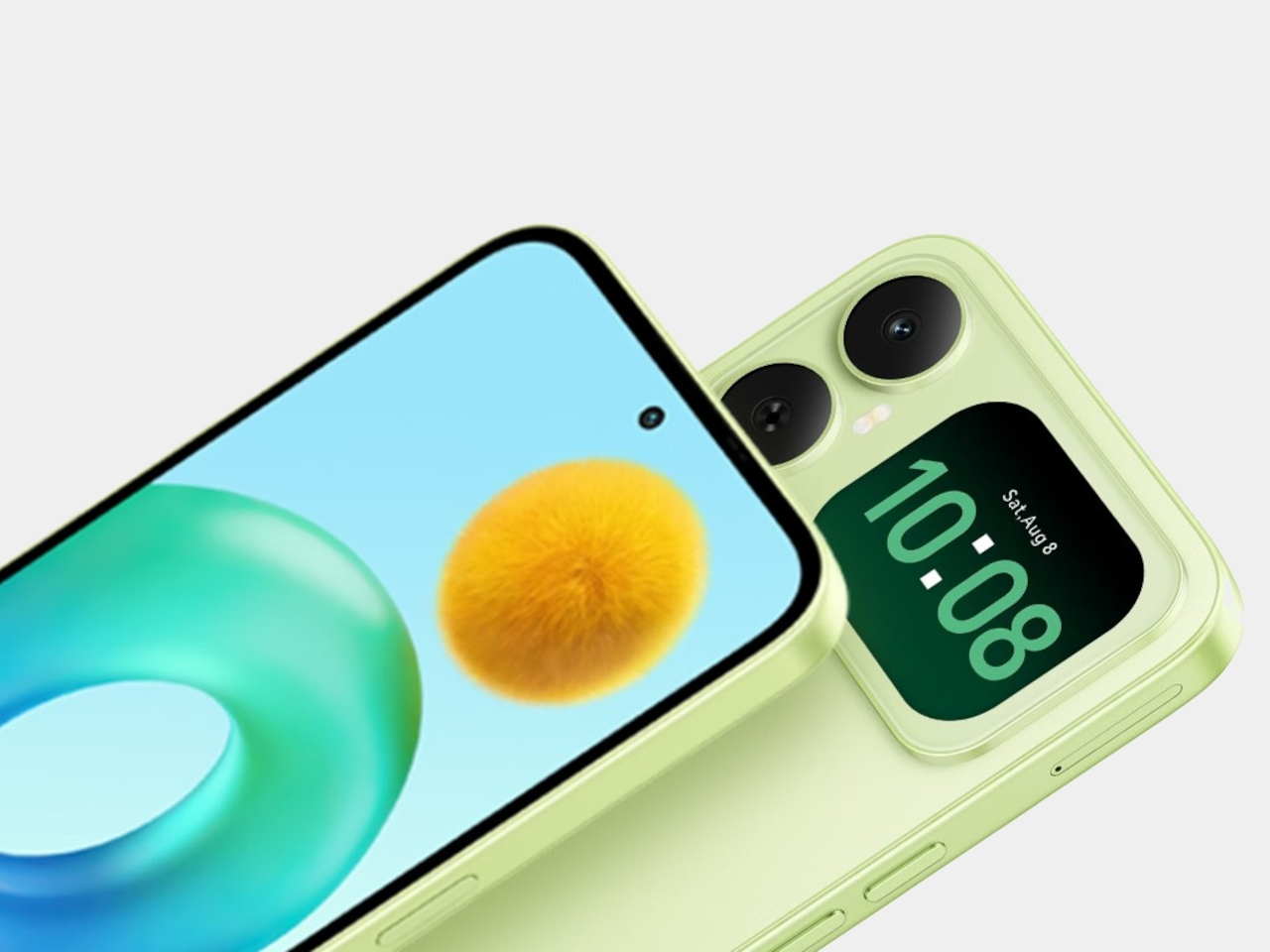
Your phone's forgotten back side finally gets a starring role
Flip the Honor X5d s over and you finally see the point of a phone's back side. For years, that slab of glass and plastic has been the forgotten sibling, the surface you smudge and ignore while the front screen hogs every glance. Honor disagrees. It has given the rear camera a starring role, turning the back into something you will actually think about. Budget phones usually make you choose between a decent screen and a decent camera. This one suggests you have been holding the wrong end all along. It is a small rebellion, and we are here for it. If you like phones that rethink the obvious, our piece on the Light Phone snapping shut against apps pairs nicely with this one. Stay curious. Stay spooty.

A Phone That Lets Kids Bike Away and Parents Breathe
A kid wants to bike to a friend's house. A parent wants to know they can call if plans change. Neither of them particularly wants a glowing rectangle that turns every ride into a negotiation about screen time. So what does a phone look like when it's built for the space between the front door and the front step? Probably something like this: a device that calls and texts and maps, but doesn't scroll. It gives the kid freedom and the parent a tether, a light one, the kind you forget is there until you need it. It's the phone you hand over when you're ready to let them go a little farther. We wrote about the Freckle phone, which takes a similar approach, handing kids a field guide instead of a leash.

The Freckle phone hands kids a field guide, not a leash
The Freckle phone hands kids a field guide, not a leash. Start-up Freckle, with design studio Body Shop, built an AI-powered handset for seven-to-13-year-olds that pushes them outdoors to poke at the natural world. That's a refreshing flip on the usual parental-control panic. It's not about locking kids down; it's about letting them loose, with a device that rewards curiosity over screen time. I like the gentle skepticism here: the phone still has AI, still has a screen, but the pitch is about engagement, not restriction. It's a clever hinge between freedom and safety. If you're into gadgets that rethink how we live, this one's worth a scroll. And for more on tech that breaks the mold, check out Apple's smart-home anchor finally getting its date.

The Light Phone snaps shut, still pointedly ignoring your apps
The Light Flip snaps shut, and for once, that sound isn't a threat. It's a promise. Light took its gloriously boring LightOS, stripped of social feeds and games, and folded it into a clamshell that comes in six colors, because even minimalism wants a little personality. This is the follow-up to 2025's all-black Light Phone 3, and it's leaning hard into the retro appeal that made us all nostalgic for the satisfying thwack of a flip phone in the first place. It's a clever hinge on a dumbphone, and honestly, that's the razor clam here: the device is pointedly ignoring your apps, but it's begging you to touch its buttons. If you're hunting for quieter distractions, our G-Shock CasiOak piece pairs nicely with this vibe. Stay spooty.

Honor's new flagship packs a camera Arri helped shape and a battery that refuses to quit
Honor's Magic 9 Pro Max has a camera island that looks like it was machined from a 1937 Arriflex 35 turret, complete with knurled grip texture, and that alone made me sit up straighter. The battery is colossal, the mossy green finish is genuinely handsome, and Arri's influence runs deeper than aesthetics: you get LogC3 capture and 14 preset Look LUTs baked in. That's a serious tool for anyone who wants cinema color without the rig. It's also Honor's first flagship since the Arri deal went public, so the pressure was on. I'm gently skeptical about whether the software holds up, but the hardware is talking loud. For more gadget weirdness, our piece on Philips' new toothbrush tracking your brushing is a fun contrast. Stay spooty.
Phones with robot arms and keyboard cravings: five designs worth the pocket space
A phone with a literal robot arm. Not a concept render, not a crowdfunding fever dream, but a design someone actually put together and said, yes, this belongs in a pocket. That's the kind of specific weirdness we live for. This roundup gathers five handsets that put design first, from that mechanical appendage to a keyboard phone clearly built for people who type faster than they talk. It's a refreshing break from the endless glass slabs. The honest take? Some of these will feel like solutions looking for problems. Others might just make you question why every phone looks the same. If you're already circling back for the details, our piece on Dyson's camera-toting toothbrush suggests we're equally intrigued by tech that refuses to play it safe. Stay spooty.