
smart home
Spoot: Spotted Early keeps smart home in one place: 19 stories so far. The section currently leads with “I Watched Apple's First Smart Display From My Kitchen Counter and Bedside Table”, “The Google Home Speaker finally got a price that matches its clean design”, and “Linkind's smart lights finally make the holiday ladder a box in the garage”. Jen Tuohy has been testing Apple's first smart display, the $299 HomeView, and she did it from every surface in her house. Spoot: Spotted Early New things, caught while they're still new and a little weird. Spoot finds fresh gadgets, clever inventions, crowdfunding campaigns,… The list below is every smart home story on Spoot: Spotted Early, newest first.

I Watched Apple's First Smart Display From My Kitchen Counter and Bedside Table
Jen Tuohy has been testing Apple's first smart display, the $299 HomeView, and she did it from every surface in her house. Kitchen counter. Bedside table. Office. Coffee table. She even mounted one in her entryway as a smart home control panel. That's the kind of testing that finds the razor clam. The tech-averse husband loved it. The teenage daughter did not. (I want to know why.) Tuohy cooked with it, ran her smart home from it, took calls on it, and tested its new Siri AI capabilities. This is a real, lived-in review from someone who has tested every smart display Amazon and Google have ever made.

The Google Home Speaker finally got a price that matches its clean design
The Google Home Speaker finally got a price that matches its clean design. At $79, it's $20 off and the best deal we've seen since it launched in June. That matters because this is Google's first smart speaker in years, and it's smaller than the old Nest Audio but somehow louder and sharper, David Pierce said it even beats the Echo Dot Max for clarity. It also packs a Thread border router, supports Matter, and can double as an audio output for the Google TV Streamer. Gemini handles multiple smart home commands at once, which is honestly the kind of conversational glue a living room needs. Just note some features want a $10 monthly subscription. If you're curious about weird AI companions, our piece on the conceptual Glyph cube is worth a detour.
Linkind's smart lights finally make the holiday ladder a box in the garage
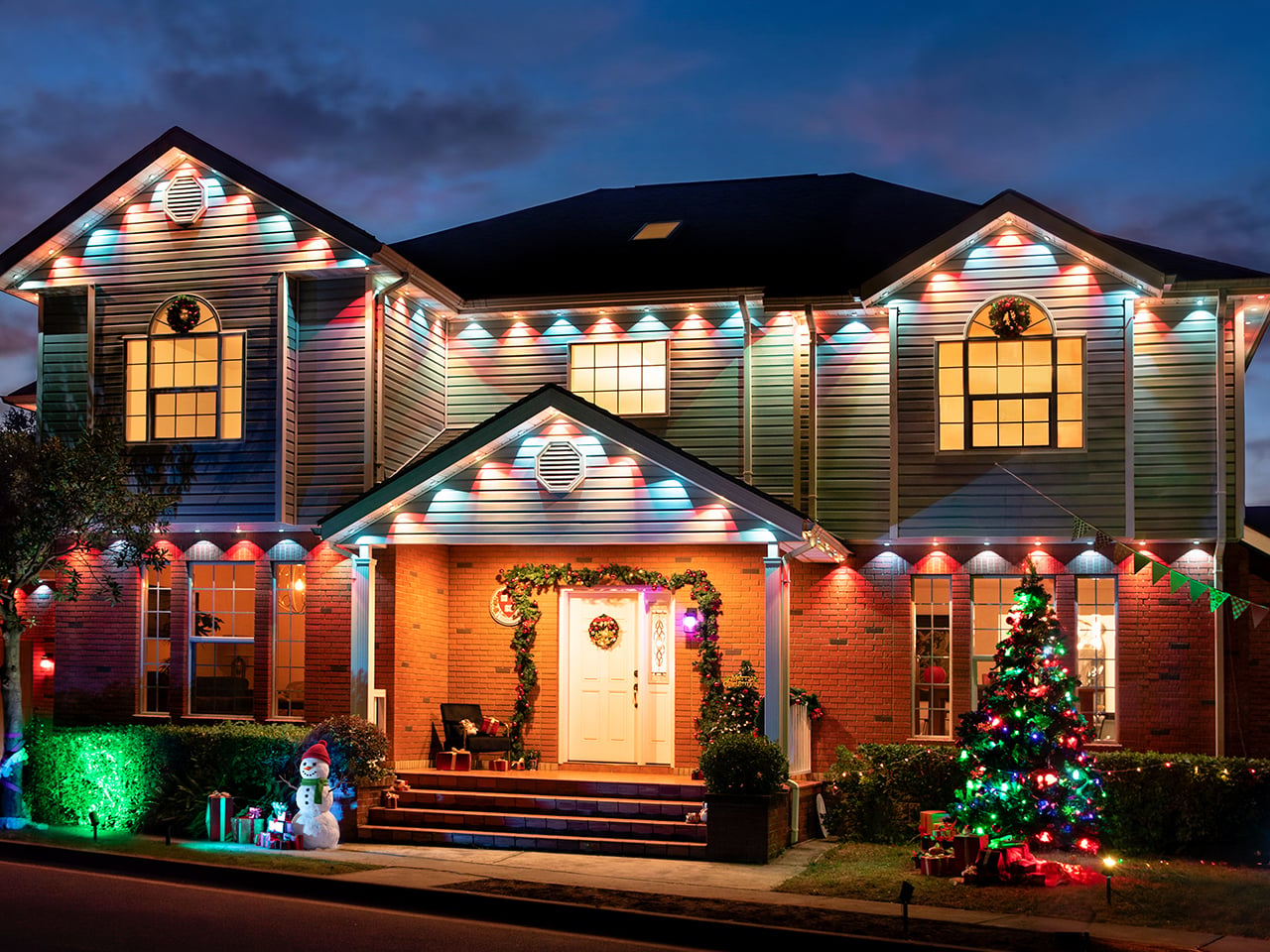
Changing your phone's wallpaper takes about four seconds. Changing your house's holiday decor usually takes a weekend, two trips to the hardware store, and a very specific kind of marital tension involving a ladder and a frozen gutter. Linkind's new Smart Permanent Outdoor Lights want to retire that December ritual to the garage, right next to the box of tangled extension cords you swear you'll organize this year. They're Matter-compatible, which means they talk to whatever smart home system you've already got without needing a dedicated hub that only works with one brand. I'd happily swap the ladder for that. The real razor clam here is the word "permanent." These aren't seasonal throwaways.
Amazon hid a camera in your speaker and stuffed Alexa in a frame
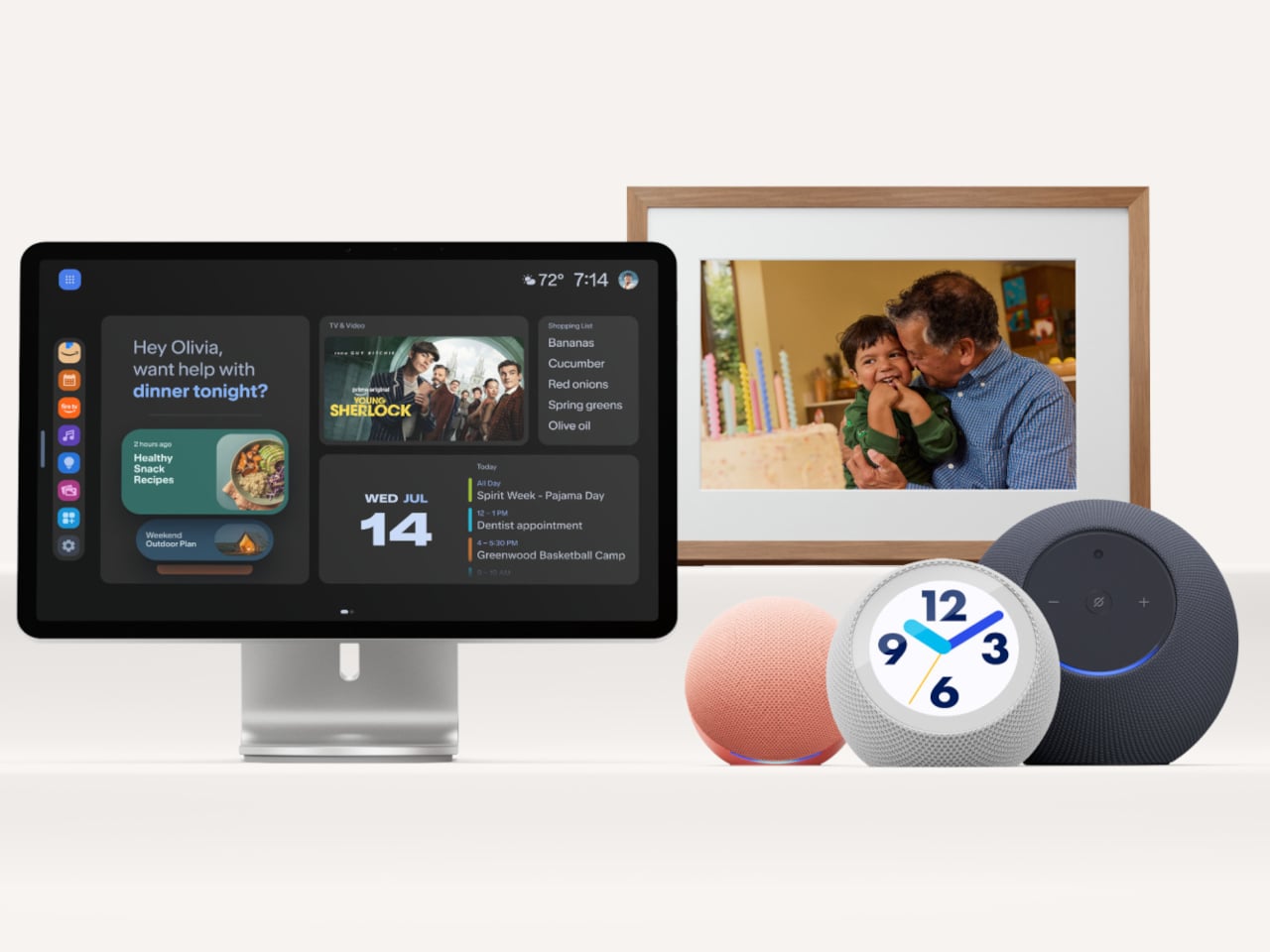
Amazon hid a camera in your speaker and stuffed Alexa in a photo frame. The new Echo Show finally admits what we all knew: smart speakers are surveillance devices with good PR. This one puts a camera right there, in the room, watching. Meanwhile, Alexa gets a frame, a digital picture frame that listens. It's a curious pair. One wants to see you, the other wants to be seen. Amazon is betting you'll trade privacy for convenience, and honestly, they're probably right. But the frame is the more interesting play here. It hides the tech in something familiar, something you'd hang on a wall anyway. If you're into gadgets that disappear into your life, we also looked at a disposable camera made from mycelium, it decomposes before your photos ever do.

Ikea's Varmblixt smart lamp takes a $20 bite out of its price tag
The Ikea Varmblixt donut lamp just got $20 cheaper, dropping to $79.99 through November 11th. That's a solid bite out of a price tag that already made this thing my colleague Jennifer Pattison Tuohy's new favorite smart light back in April. It sits on a table or hangs from a screw on the wall, nothing fancy, just practical. At 180 lumens, it's not trying to light up a room. This is bedside mood lighting, and it cycles through 12 preset colors now instead of just orange. The wireless remote works without an app or hub, which is refreshing. But if you want the full smart home treatment, it supports Matter and works with Apple Home, Google Home, and Alexa through Ikea's Dirigera hub.

Amazon's Echo duo gets a smarter home and a bigger ear
Amazon's new Echo speakers have a bigger ear for your smart home, and that's exactly where the company's focus should be. The Echo duo arrives with enhanced smart home capabilities baked in, which means less fumbling with the Alexa app and more actually talking to your lights. It's not a reinvention of the speaker, it's a refinement that knows what you're actually using the thing for. The bigger ear isn't just for show; it's about hearing you over the blender, the vacuum, the chaos. That's the razor clam here: Amazon finally understands that a smart speaker's job isn't to sound great playing music, it's to listen better than you do.

Your shower could be mining Bitcoin while it heats your water
Your shower could be mining Bitcoin while it heats your water. That's the proposition from Heatbit, a company making home appliances that pull double duty as cryptocurrency miners. Its latest product is a hot water system designed to deliver on-demand showers while hopefully earning its keep in the background. It's the kind of idea that sounds like a fever dream until you remember Heatbit already shipped a Bitcoin-mining space heater. The logic holds: the heat generated by mining has to go somewhere, so why not pipe it into your pipes? I like the efficiency angle, but I also wonder about the noise, the wear on the hardware, and whether the crypto earnings will actually offset the cost.

Apple HomeView has the hardware for apps but only runs CarPlay
Apple's HomeView has the guts to run apps, a proper chip, always-on power, a screen that begs for widgets, but it only runs CarPlay. That's weird, right? The Vergecast crew is asking the same thing: why build a home hub with real computing muscle and then refuse to let it be its own app platform? It's a deliberately closed door, and the speculation is that Apple wants control over the experience rather than a free-for-all of third-party interfaces. But it raises the obvious question: if your smart display can't run smart home apps natively, what exactly is it for? Our related piece, *"Apple's HomeView is a chimera of nostalgia, and that's exactly the point"*, digs into the design philosophy behind that choice.

Apple's HomeView Finally Gives Your Smart Bulbs a Room With a View
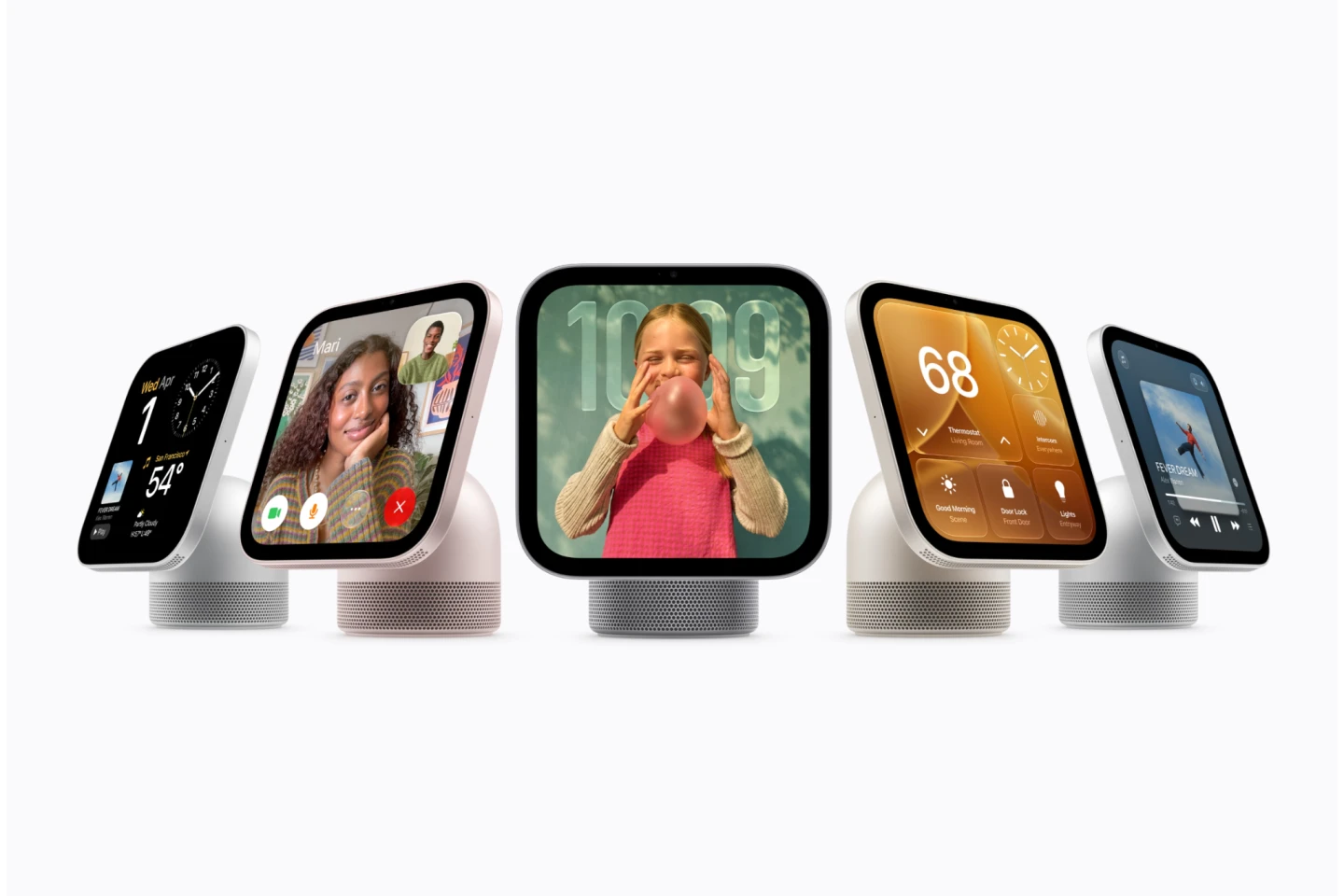
Apple finally put a screen on its smart home hub, and it looks like the iMac G4's younger, wall-mountable cousin. The HomeView comes in two flavors: a tabletop model with a screen perched on a speaker base, and a flat, mountable panel for when you want your home controls to disappear into the wall. It handles Matter and Thread, so your smart bulbs and locks can finally talk to each other without a translator. That polish is pure Apple, but the real question is whether this arrives as a finished product or another concept that keeps slipping. It's a smart display, sure, but it's also a communication console and an entertainment screen. If you want to dig into why it feels like a nostalgic chimera, our piece on that angle is worth circling back to.

Apple's seven-inch HomeView screen turns every wall into a command center
Apple finally put a seven-inch screen on your wall and called it HomeView. It consolidates every smart-home control, every app, every home-management toggle into one glossy dashboard that hangs there like a quiet command center. Two versions exist, which is classic Apple, give people a choice and watch them argue about which one is right. The idea is simple: stop digging through your phone for the lights, the thermostat, the door lock. Put it all on a wall where you can see it. We wrote about this in "Apple's HomeView Finally Gives Your Smart Bulbs a Room With a View," and the comparison holds. A room with a view indeed. Now the question is whether HomeView actually becomes the brain of the house or just another screen competing for your attention.
Apple's HomeView is a chimera of nostalgia, and that's exactly the point
The iMac G4's floating display was always the best thing Apple ever put on a desk, and HomeView finally brings that energy to the wall. A 7-inch smart display that borrows the iPad's touchscreen, the Apple Watch's familiar faces, and a HomePod's speaker base? That's a chimera worth taking seriously. It's nostalgic, sure, but nostalgia isn't a flaw when the original design was this good. The real question is whether it earns its spot as the center of the connected home, or just becomes another screen demanding attention. I'm gently skeptical, but also already checking where it fits. If you want the full picture of Apple's smart home push, our piece on how John Ternus is making Apple weird again pairs nicely with this one. Stay spooty.

Apple finally built a smart home hub, and it brought some friends
Apple finally built a smart home hub, and it brought some friends. The HomeView is Apple's first smart display, and it arrives with a 7-inch squircle design that looks like a gargantuan smart speaker grew a face. It costs $299 and preorders are open, which is nice because Apple has been threatening to make a smart display for years and years without ever actually doing it. The HomePod Mini 2 also finally exists after nearly six years, coming in at $149 with preorders open and a Friday launch date. Spoot already has a tab open on that one. The whole "Welcome Home" event dropped a slate of new smart home and security accessories too, built with trusted third-party manufacturers. It is the most serious hardware push Apple Home has seen in a long time.

Apple finally has a smart display you can actually preorder for $299
Apple's HomeView is a 7-inch squircle that looks like a gargantuan Apple Watch bolted to a speaker base, and it costs $299. You can preorder it now. It ships November 13th. That is a real date from a real company, which already makes this more concrete than most smart-display launches. The HomeView controls smart home tech, shows recipes, runs music playback, makes FaceTime calls, and hosts widgets. It is clearly the centerpiece of Apple's big push into the home. The question Spoot always asks: Who is this for? If you are already in Apple's garden, this is the front door you have been waiting for. If you are not, $299 is a lot to pay for a lock you did not ask for.

Apple's smart home finally gets a front door, and we're already inside
Apple's smart home finally gets a front door, and we're already inside. October 13th, 9AM ET, New York. "Welcome Home" is the name, and it's doing exactly what Apple event names usually only promise: giving the company's scattered home gadgets an actual address. We're expecting refreshed Apple TV and HomePod Mini boxes, a brand new smart home hub, and possibly the debut of homeOS, a platform that sounds suspiciously like the thing Apple should have built five years ago. LG partner devices could show up too. What we probably won't see is the touchscreen MacBook, which Mark Gurman says is waiting until later this month. That's fine. A proper hub matters more than a laptop you can poke.

The AI assistant is the product, the gadget is just its cage
The AI assistant is the product, and the gadget is just its cage. That's the takeaway from this week's Vergecast, where David and Nilay tear through Microsoft's high-end laptop, Amazon's fancy Android tablet, and Apple's headfirst dive into the smart home. The hardware is shiny, sure, but every single launch is really just a vessel for the same idea: the AI should run the computer. Whether that's even the right idea is the question worth asking. It's gadget season, and the spec sheets are full of clever hinges and long battery claims, but the actual strategy is suspiciously uniform. If you want a deeper cut on the weirdness, the Apple robot arm piece is worth a read. Spoot's take? The cages are getting prettier. The thing inside still hasn't proven it can fly.
Apple's robot arm finally gives the HomePod something to reach for
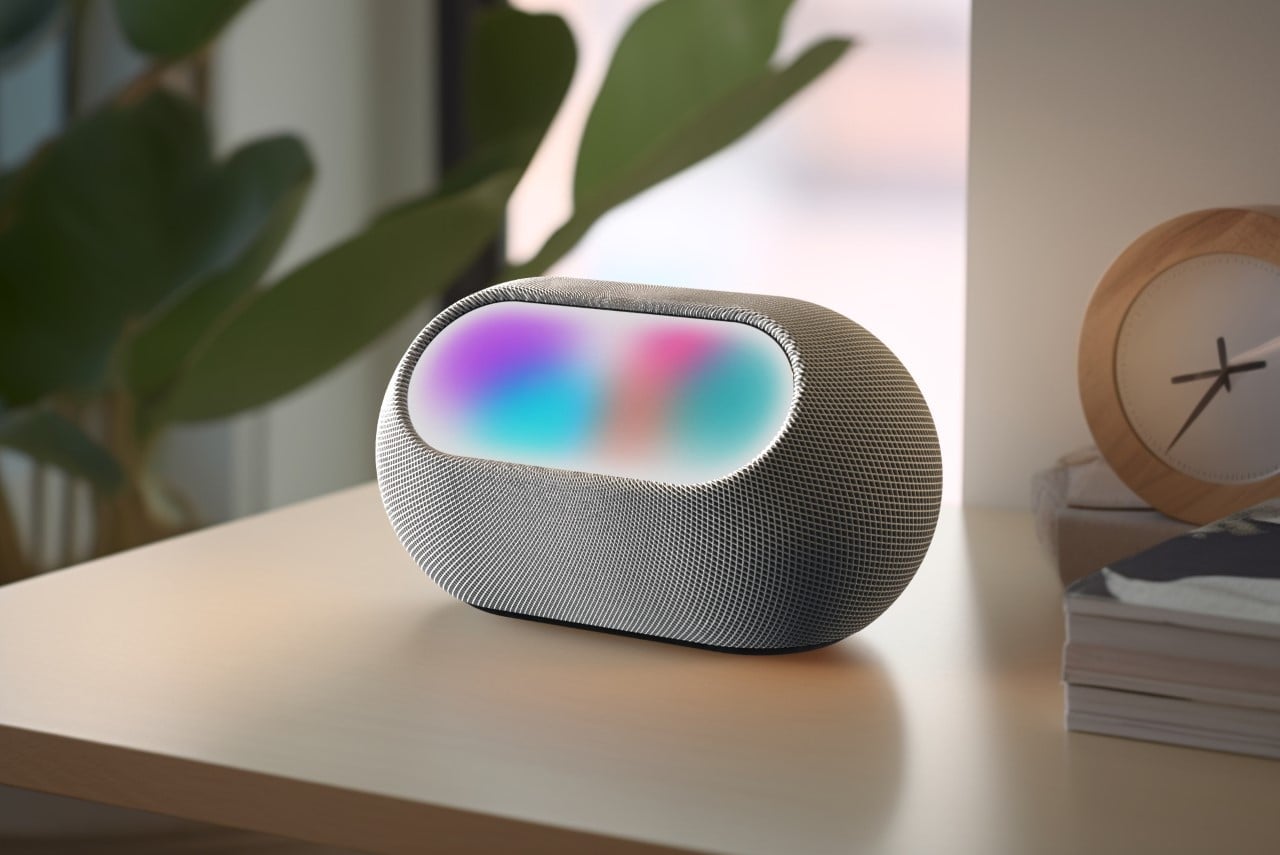
Apple event names usually read like perfume ads. Wonderlust. Scary Fast. It's Glowtime. This one, though, landed with a thunk: October 13th, and the HomePod is finally getting something to reach for. A screen. A robotic arm. A speaker that turns toward you like a sunflower with better taste. The invite alone is doing more heavy lifting than a spec sheet, because the question was never whether the HomePod sounded good. It always did. The question was whether it would ever do anything worth watching. Now it moves. That's the razor clam: not the display, not the motor, but the implication that Apple finally believes a speaker should follow you around the room. If you've ever yelled at a stationary device from the couch, you already know why this matters.

Prime Day's cheap seat: six things under $25 that don't suck
You could spend a Prime Day budget on one big thing, or you could let six smaller ones burrow into your life for under $25 total. This roundup sniffs out the deals that actually deliver: JLab Go Air Pop earbuds with a charging case that doubles as a plug, an Anker 45W charger that shows you its power flow like a tiny dashboard, and a LifeStraw that filters microplastics from whatever questionable water you find. The Best Picture winner *Everything Everywhere All At Once* on 4K Blu-ray for twelve bucks? That's the kind of chaos we can get behind. Fewer picks this year because everything costs more, which stinks, but the ones here earn their spot. If you're hunting bigger prey, our robot vacuum roundup shows how Prime Day scrubs prices there too.

Amazon's October Prime Day leaks early, and it's already hunting for deals
October Prime Day hasn't even waited for October. Amazon's already letting some Prime Big Deal Day discounts loose on its own hardware, plus a heap of other popular stuff, all ahead of the October 6th, 3AM ET kickoff that runs through the 8th. That means you can start chipping away at holiday shopping before the seasonal chaos fully descends, and since these deals often circle back for Black Friday and Cyber Monday, it's a decent sneak peek at what's coming. The Ring Battery Doorbell 2K at $39.99 is a proper score, though that built-in battery means you'll be unclipping it for USB-C charges. The Ecovacs Deebot X12 OmniCyclone is a beast of a robovac with a dock that washes its mop with heated, pressurized water.
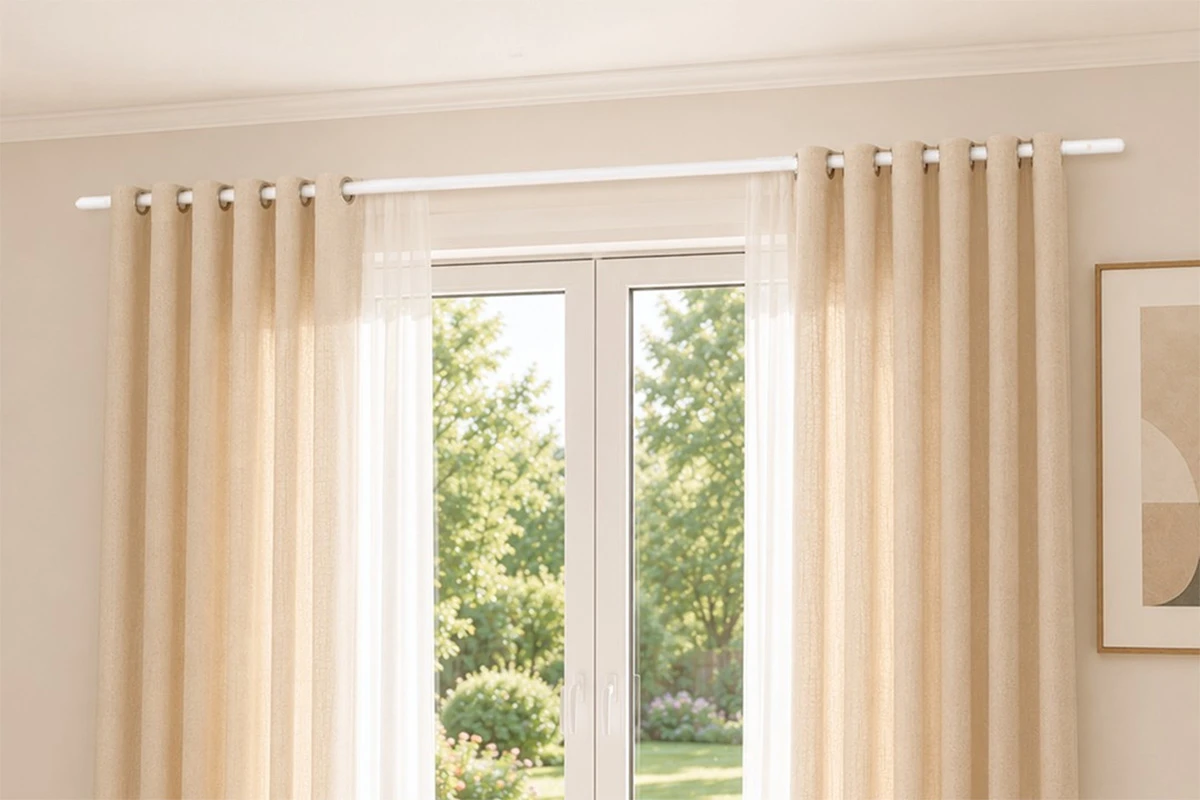
The sun does your drapes' dirty work now, no motor required
The sun does your drapes' dirty work now, no motor required. We've seen smart curtains before, sure, but they usually want a chunky motor, a hub, and a stern talking-to about Wi-Fi passwords. This new one skips the machinery and just lets the light do the pulling. That's the razor clam in the spec sheet, the detail that makes you lean in. It's clever, sure, but we're gently skeptical until we see it ship. The campaign's live now, and it's worth a scroll if you've ever wanted blinds that move without you lifting a finger or lifting a screwdriver. It's not quite the cinematic wall-buster Epson's pushing with its new lasers, but for the window-bound among us, this feels like the quiet win. Stay spooty.