
interior design
interior design at Spoot: Spotted Early is a file of 7 stories. The newest of them: “16 feet of tiny house and some very interesting interior choices”, “This tiny house got so wide it forgot it was portable”, and “Volvo's electric EX60 borrows leaves for its seats and a forest for its soul”. Sixteen feet. The Skye Park Model went wide. Spoot: Spotted Early New things, caught while they're still new and a little weird. Spoot finds fresh gadgets, clever inventions, crowdfunding campaigns,… The list below is every interior design story on Spoot: Spotted Early, newest first.
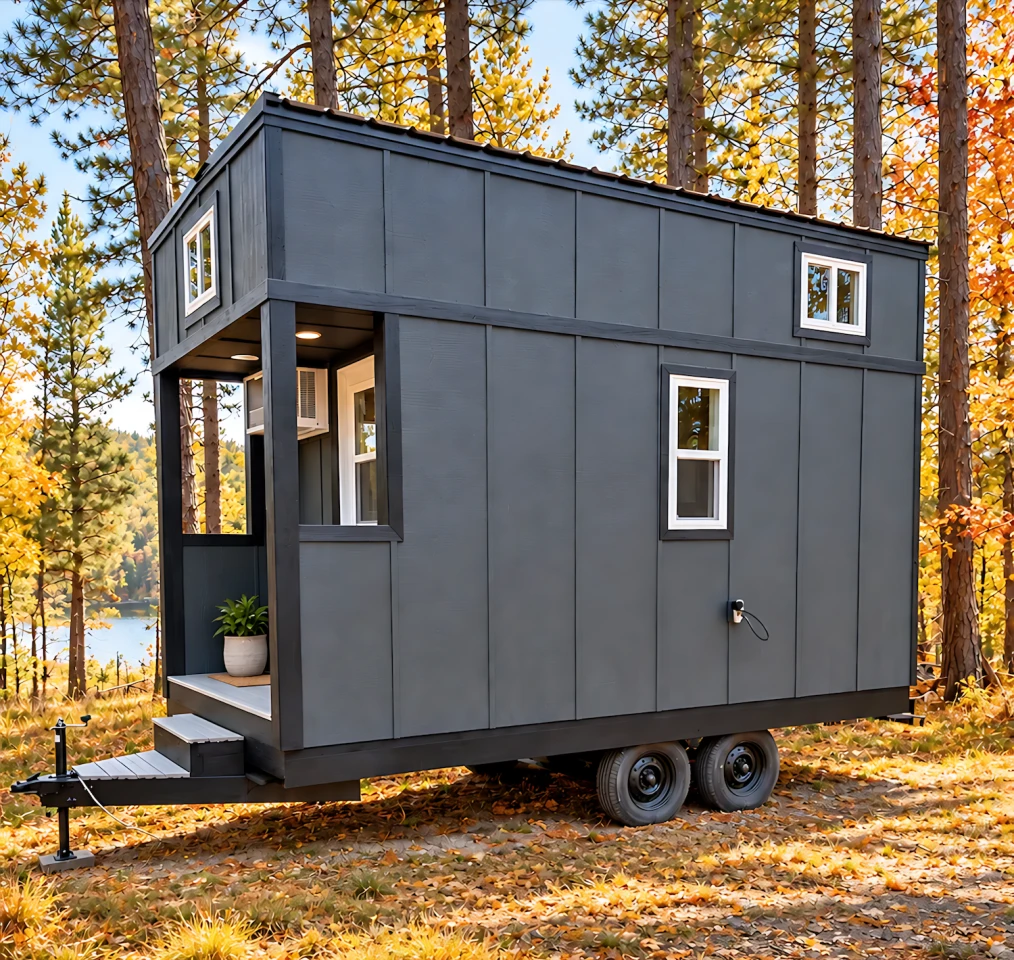
16 feet of tiny house and some very interesting interior choices
Sixteen feet. That's it. That's the whole house. And somehow, inside that sliver of space, someone has made some genuinely interesting calls about how to live without tripping over your own knees. This unnamed model doesn't just shrink the tiny house formula; it rearranges it. You won't find the usual loft-crammed-everything approach here. Instead, the interior stretches sideways, making you wonder why more builders don't think this way. It's a clever bit of spatial rebellion, and honestly, the kind of detail that makes you want to crawl inside and poke at every hinge. If you're into the "less is more, but make it weird" school of design, this one's for you. For another take on unconventional layouts, the Helena tiny house's refusal to fold up small is worth a look too.
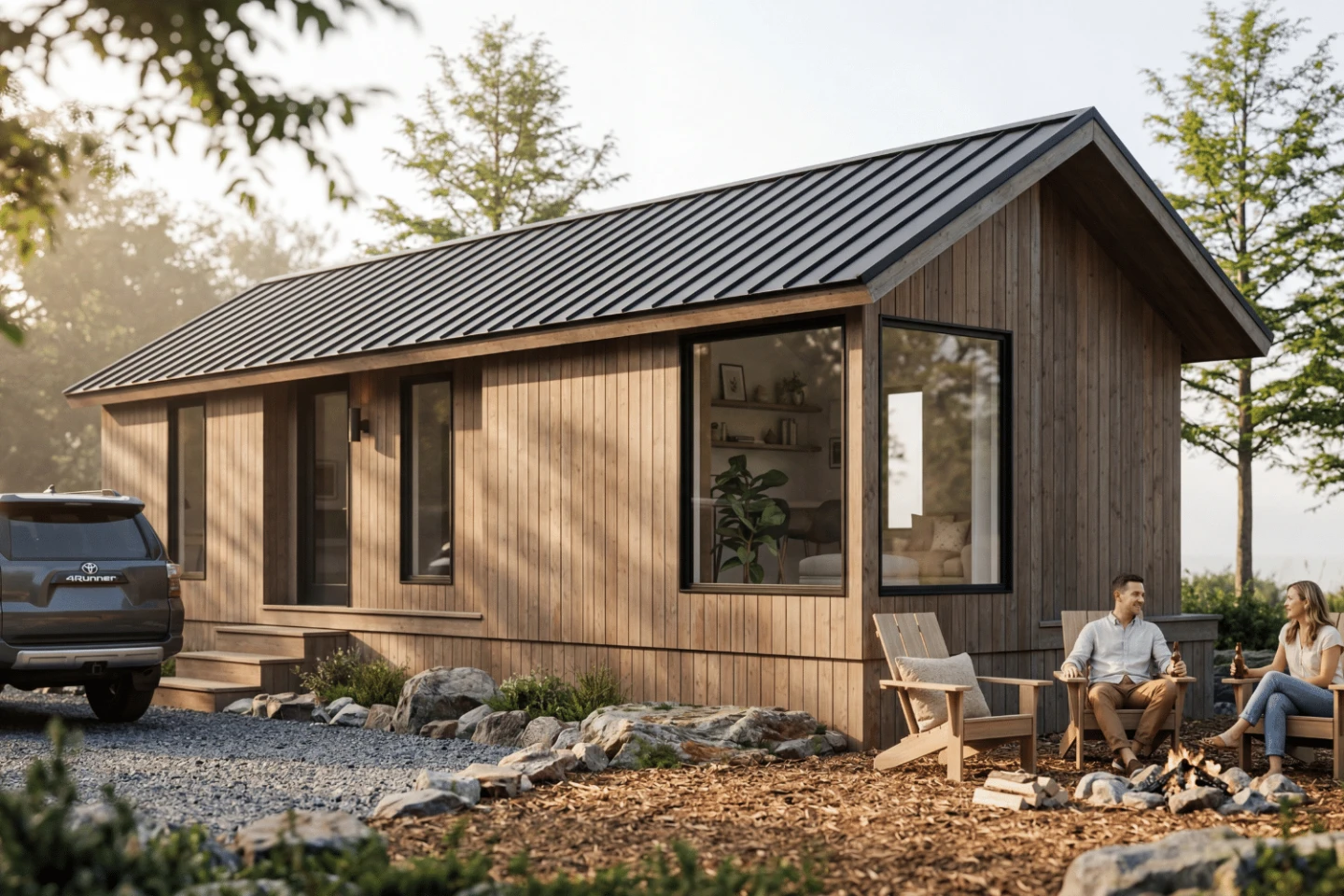
This tiny house got so wide it forgot it was portable
The Skye Park Model went wide. Most tiny houses squeeze themselves into a narrow lane, obsessed with towing limits and highway laws, but this one said: what if we just didn't? It uses an extra-wide frame to carve out a genuinely apartment-like interior, which is a trade-off that makes immediate sense once you're inside and not trying to parallel park it. Portability takes a backseat to livability, and that feels like the right seat for it. You lose the ability to sneak down a country lane, but you gain a kitchen that doesn't require interpretive dance to use. For more tiny homes that refuse the obvious layout, check out our piece on the Brightside, which puts its kitchen by the front door and makes you wonder why everyone else doesn't.

Volvo's electric EX60 borrows leaves for its seats and a forest for its soul
Volvo's electric EX60 borrows leaves for its seats and a forest for its soul. Seasonal color studies informed the interior, which projects leaves directly onto the seating surfaces. That is the kind of detail that makes you stop scrolling and actually look. The car was driven to Russell Wright's modernist woodland home at Manitoga, which feels like the only appropriate place to land something this deliberately rooted in nature. It is not just green because it is electric. It is green because someone asked what a car would look like if it remembered it came from trees. The mycelium disposable camera we covered recently had a similar instinct, design that acknowledges it belongs to the physical world.
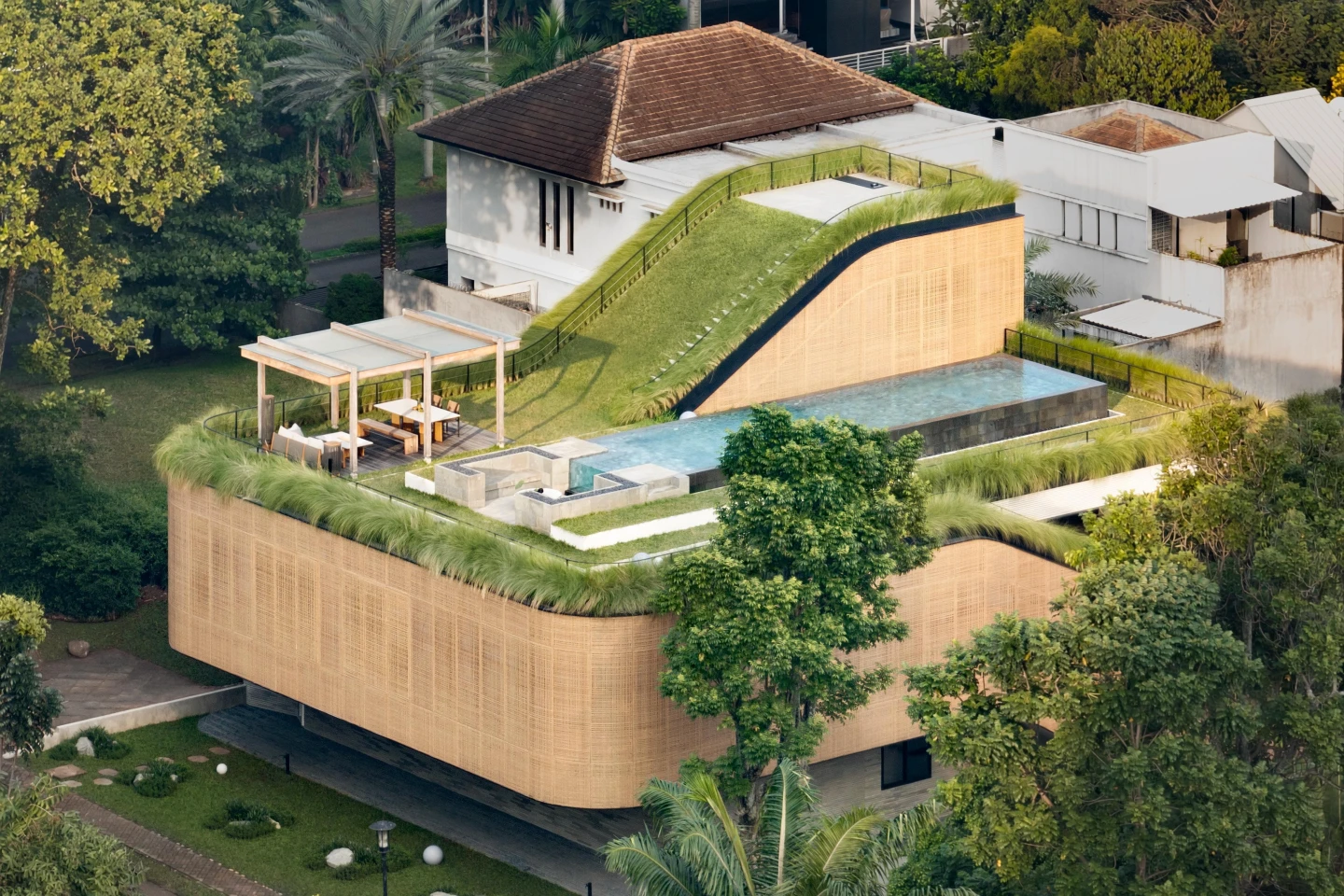
This house split in half to make room for a rooftop garden
The upper half of this house just peeled off and floated away. Well, not floated, it slid sideways, leaving a gap wide enough for a rooftop garden, a swimming pool, and an outdoor yoga deck. Indonesian firm K-Thengono Design Studio sliced the 712-sq-m Split Mass Residence in South Tangerang right through its middle volume, connecting a home cinema below to open sky above. Clever. The planted green roof and landscaped gardens aren't decoration tacked on afterward, they're the reason the house broke apart in the first place. And the open interior, drenched in daylight and cross-ventilation, makes you wonder why more homes don't just split themselves in half when they need breathing room. It reminds me of that leaf that cracks seawater into hydrogen, weird, specific solutions hiding in plain sight.
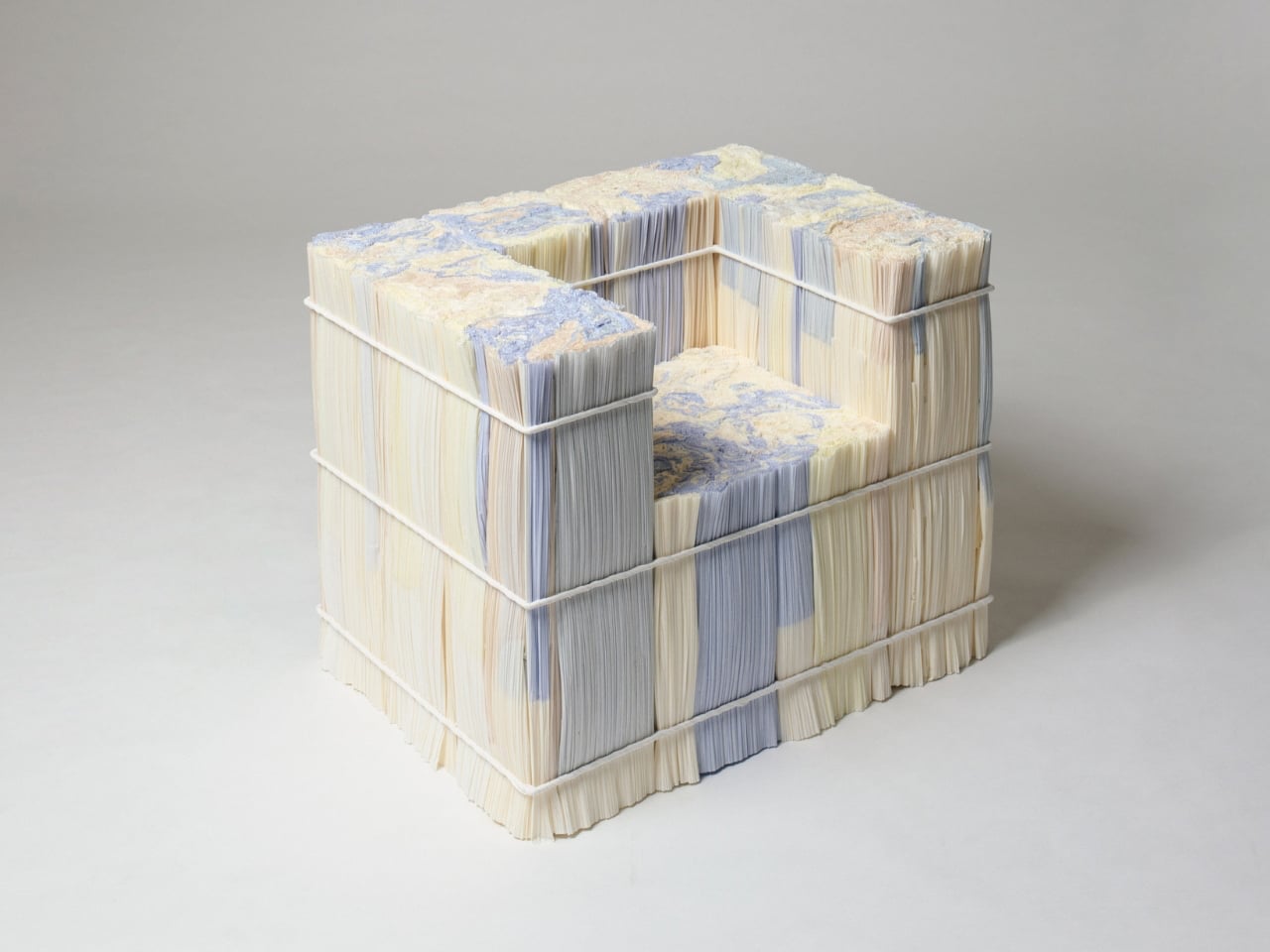
Denim plates and paper chairs: five ways scrap gets weirdly good
A paper chair that holds 300 pounds. Denim plates fired in a kiln. A lamp shade grown from mycelium. This is not a fever dream from a design school final show, it's a real, growing movement where waste stops being a dead end and starts being the whole point. Architects, artists, and product designers are looking at scrap material and asking, "What if we just… didn't throw that away?" The answers are weird, specific, and genuinely good. No hype here, just a clever hinge, a bizarre material choice, and the quiet thrill of watching someone solve a problem nobody else thought to touch. If you liked how those retro sneakers borrowed hiking tech to become better city commuters, you'll love what happens when designers borrow from the dumpster.
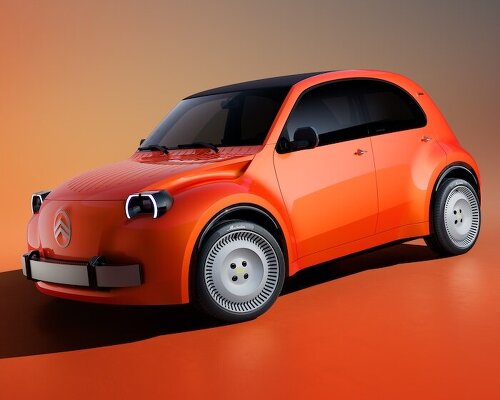
Citroën's 2CV returns as a tiny electric roll-top concept
The 2CV is back, and it's brought a roll-top roof and a battery. Citroën unveiled this tiny electric concept at the 2026 Paris Motor Show, measuring just 3.76 metres, shorter than a modern parking space and probably easier to parallel park. It reinterprets the 1948 original, which means it keeps the iconic silhouette but swaps the corrugated metal for a fabric roof that rolls up when the weather behaves. That's the detail that makes me grin. Who is it for? Someone who wants the charm without the petrol smell, and who doesn't mind waiting to see if it ever leaves the show floor. If you like clever space-shifting, also check out Fiat's Multiplay concept, which swaps its back seat for a flatbed.
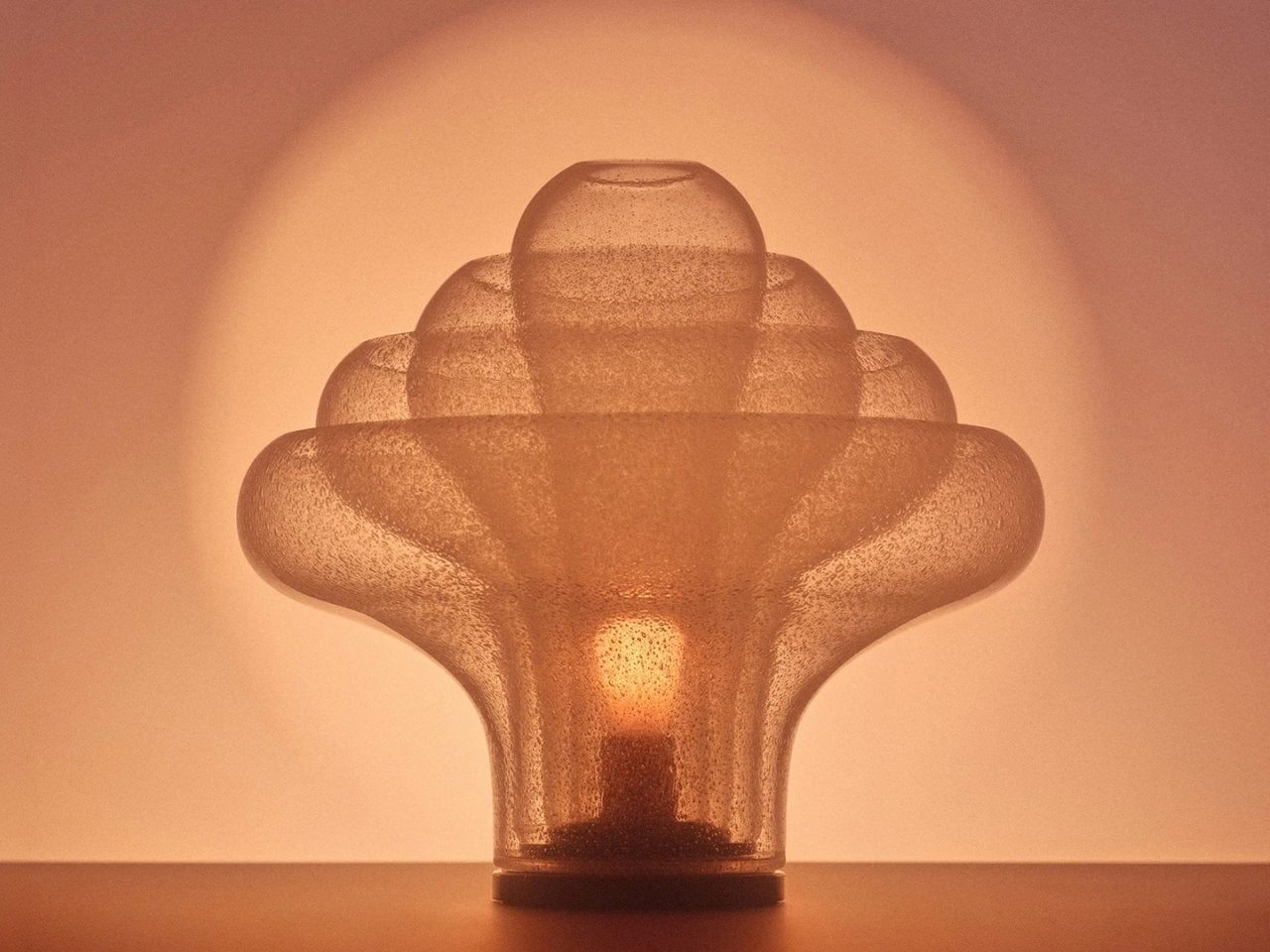
That lamp from 1969 is back and yes it still works
A lamp from 1969 is back, and it still works. That's the kind of detail that makes me stop scrolling. Most statement lighting presents a familiar dilemma: a lamp can give a room personality, but the more attention it demands, the harder it can be to live with. This one sidesteps that entirely. It was designed decades ago, and someone decided it deserved another shot. I love that. No reinvention, no "smart" nonsense, just a working lamp that already knew what it was doing before most of us were born. The question isn't whether it looks good. It's whether we're ready for a design that doesn't need a hype video to prove itself.