
home gadgets
22 stories filed under home gadgets on Spoot: Spotted Early. The newest of them: “The K4 Air folds three chargers flat enough to hide in a pocket”, “Amazon's flying security camera is weird, real, and hovering in your hallway”, and “The Google Home Speaker finally got a price that matches its clean design”. Eight and a half millimeters. Amazon actually built it. Spoot: Spotted Early New things, caught while they're still new and a little weird. Spoot finds fresh gadgets, clever inventions, crowdfunding campaigns,… The list below is every home gadgets story on Spoot: Spotted Early, newest first.
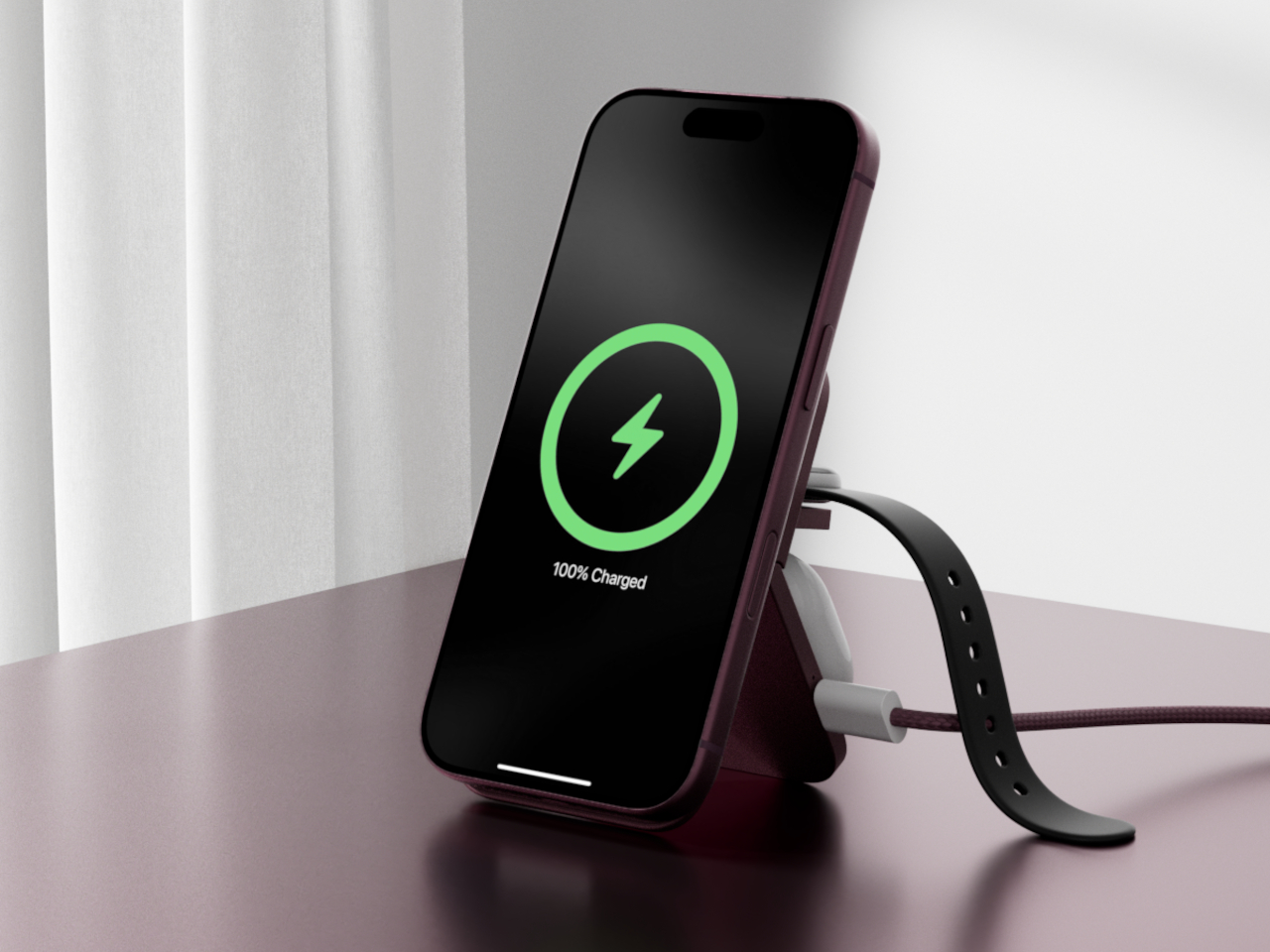
The K4 Air folds three chargers flat enough to hide in a pocket
Eight and a half millimeters. That's thinner than most phone cases, and it's the folded thickness of KUXIU's K4 Air, a three-device charger that apparently refuses to respect the laws of pocket physics. A charging stand is a convenient place to leave your phone, right up until you need to take it somewhere. This one folds flat enough to hide in a jacket, then pops back up to prop a phone, earbuds, and a watch when you land. The clever hinge is the kind of detail Spoot gets genuinely wired about. It doesn't swallow hype, though. We want to know how it holds up after a thousand folds, and whether the flat profile costs you any charging speed. For now, it's a delightfully weird solution to a problem everyone has.

Amazon's flying security camera is weird, real, and hovering in your hallway
Amazon actually built it. The Ring Drone Cam is real, and it hovers. We figured the indoor security drone was one of those ideas that gets announced at a presentation and quietly suffocates in a drawer somewhere, but no, they made a quadcopter that you can deploy to patrol your hallway. It's weird, and that's exactly why it's interesting. You commission a literal flying robot to handle home security instead of a static camera bolted to the wall. That changes the question from "where do I put it" to "where do I want it to go." It is not a toy. It is a security camera that moves.

The Google Home Speaker finally got a price that matches its clean design
The Google Home Speaker finally got a price that matches its clean design. At $79, it's $20 off and the best deal we've seen since it launched in June. That matters because this is Google's first smart speaker in years, and it's smaller than the old Nest Audio but somehow louder and sharper, David Pierce said it even beats the Echo Dot Max for clarity. It also packs a Thread border router, supports Matter, and can double as an audio output for the Google TV Streamer. Gemini handles multiple smart home commands at once, which is honestly the kind of conversational glue a living room needs. Just note some features want a $10 monthly subscription. If you're curious about weird AI companions, our piece on the conceptual Glyph cube is worth a detour.

Infinix Opens Bali Flagship Where You Can Sip Coffee and Test Phones
Beachwalk Shopping Center now holds Infinix's first global flagship store, and it comes with coffee. That's the pitch: sip something, test phones, maybe let a little creativity happen between the two. Bali's a dream destination for travelers, and now it's a stop for people who want to handle a handset before buying it. I like the move. A flagship store should feel like somewhere you'd actually linger, and a coffee bar is a smarter hook than another wall of glowing screens. It's a retail experiment worth watching, though the coffee won't tell you whether the phones are any good. For a different kind of curious launch, Voxel's mustard-yellow chassis wants your mess, not your compliments. Two strange debuts, one island. Stay spooty.

I built the $50 AI Tamagotchi Meta wants you to buy
Mark Zuckerberg wants you to carry a jolly AI helper around like a Tamagotchi this holiday season, and Meta made it look stinking cute with a squishy little face. The Muse Charm costs real money, though, and I won't be buying one. Because we have Muse Charm at home. My version cost $50, and I decided the learning experience was worth it. No cameras. No 5G cellular radio. But it really talks to Muse, has cute avatars, doubles as a pocket watch and a remote camera viewfinder, and can theoretically control my smart home if you inject a lot of extra vibe code. Weeks of tinkering later, it's the kind of scrappy, curious project that makes you wonder what else hides in a $50 bill.

Apple's gadget lab is messy and I'm genuinely charmed
Apple's gadget lab is messy and I'm genuinely charmed. The iPhone gets more screens, the MacBook finally lets you poke it, and the HomeView just runs CarPlay apps. After years of polish, the most successful product maker on earth has decided to try things again, even when "trying" means slapping a touch panel on a lovely new MacBook Pro just to see if you'll use it. The results aren't always perfect, but watching Apple experiment is its own kind of fun. On The Vergecast, David and Nilay debate touchscreen laptops, and Nilay explains exactly why he's buying that new MacBook Pro with PROLED XDR Display. If you're in the mood for more delightfully weird hardware, check out our piece on the mycelium disposable camera that decomposes before your photos do. Stay spooty.

This Nest Thermostat drop is $60 off and ready to learn your drafty rooms
The Nest Learning Thermostat is $60 off right now, which means it's matching its best price of the year and creeping within $10 of its all-time low. That matters because this fourth-gen model is the one that finally includes a remote temperature sensor in the box, so it can actually learn which rooms are drafty and which ones turn into saunas by 3 PM. It adjusts when you're away, suggests schedule changes, and shows you the outdoor air quality when you walk close enough. It also works with more HVAC systems than before and doesn't demand a C-wire in most homes. If you've been meaning to stop heating the whole neighborhood, this is the nudge.
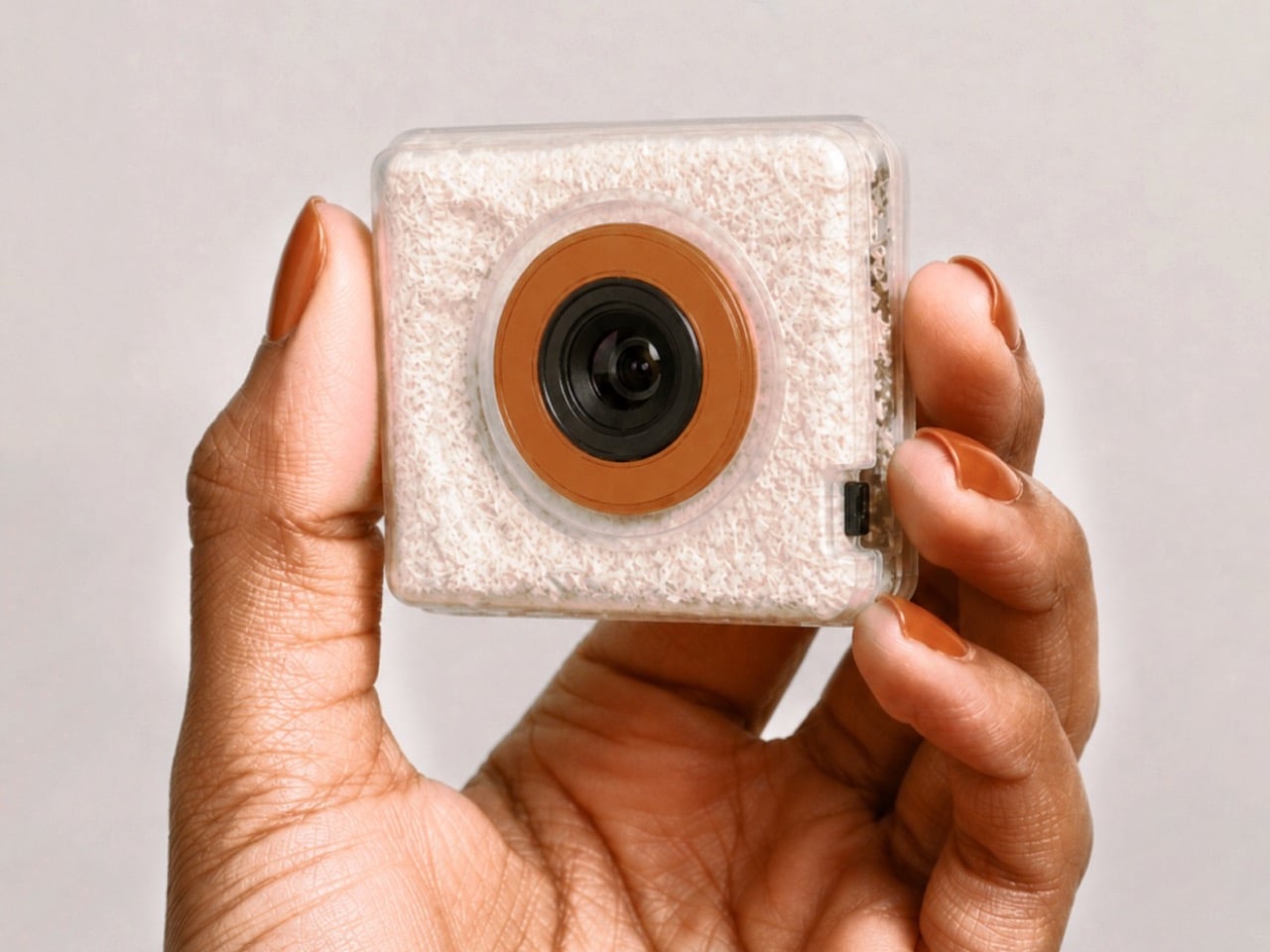
This camera decomposes before your photos ever do
Forty years ago, Fujifilm launched the QuickSnap, a plastic box of film you shot, dropped off at the drugstore, and never saw again. The disposable camera has always been a monument to planned obsolescence, a single-use plastic brick that outlives its own purpose by centuries. This one flips the script entirely. It grows from mycelium, the root-like network of fungi, and decomposes before your photos ever do. You don't recycle it. You bury it. That's the kind of material thinking that makes you wonder why we ever used plastic for anything temporary. It's still a disposable camera, so the questions about cost and availability matter, but the concept alone feels like a quiet rebellion. If you liked the clever rethinking behind Flashback's single-day development model, this fungal frame is worth watching too.
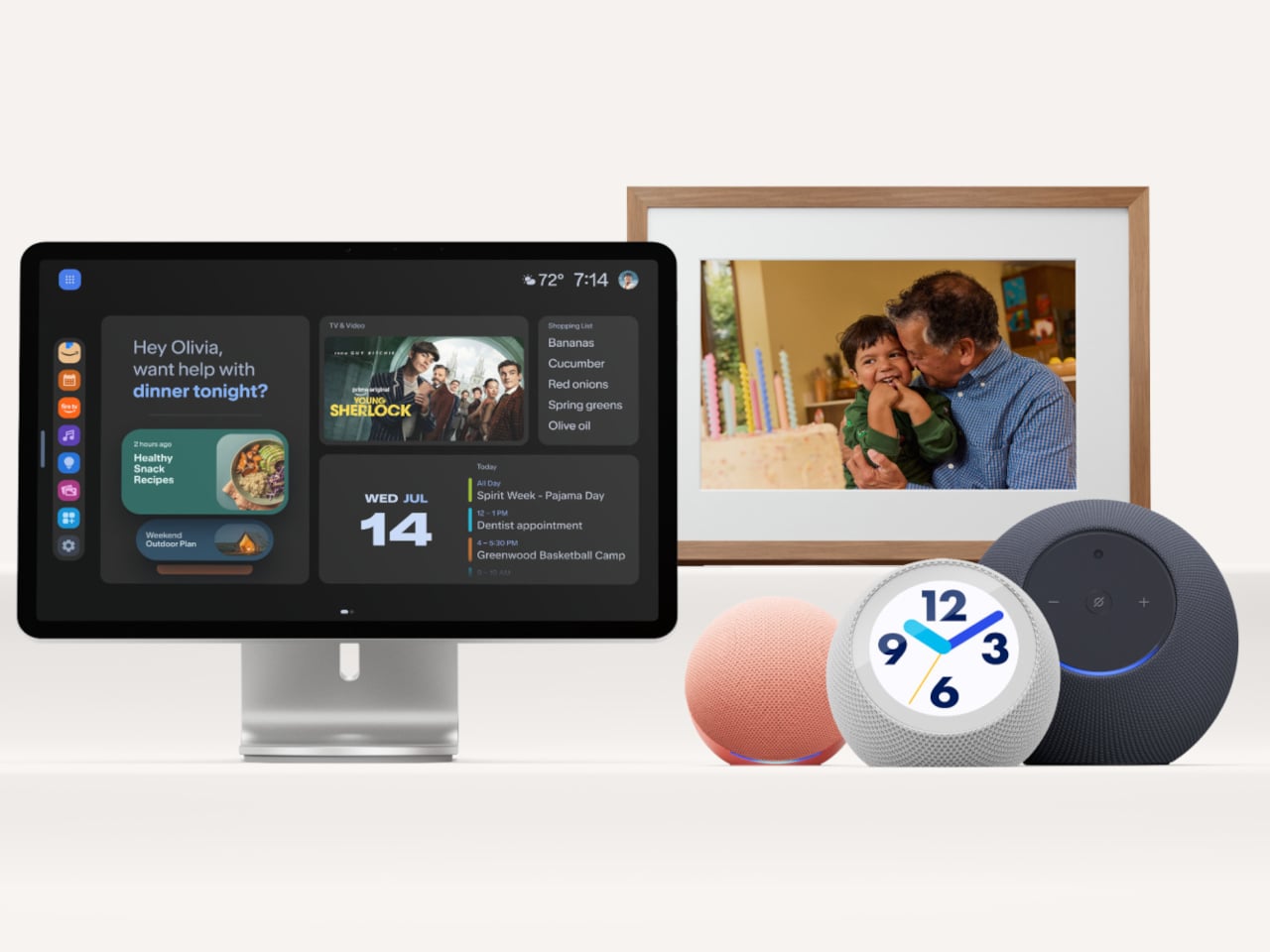
Amazon hid a camera in your speaker and stuffed Alexa in a frame
Amazon hid a camera in your speaker and stuffed Alexa in a photo frame. The new Echo Show finally admits what we all knew: smart speakers are surveillance devices with good PR. This one puts a camera right there, in the room, watching. Meanwhile, Alexa gets a frame, a digital picture frame that listens. It's a curious pair. One wants to see you, the other wants to be seen. Amazon is betting you'll trade privacy for convenience, and honestly, they're probably right. But the frame is the more interesting play here. It hides the tech in something familiar, something you'd hang on a wall anyway. If you're into gadgets that disappear into your life, we also looked at a disposable camera made from mycelium, it decomposes before your photos ever do.

Even Realities snuck the smart glasses into the tortoiseshell
Even Realities' Tortoise Shell frame is so gorgeous, I'd buy the smart glasses just for the design. That's not a throwaway compliment. Meta needed Ray-Ban. Google needed Warby Parker and Gentle Monster. This Shenzhen startup, barely three years old, apparently just needed a great frame. The tortoiseshell pattern does what smart glasses have been trying to do for years: make you forget there's a computer on your face. It's warm, familiar, and looks like something you'd pick out at an optician, not a CES booth. The tech inside still matters, but Even Realities understood that nobody wants to wear a gadget they'd be embarrassed to be seen in. For another take on how glasses handle their brains, check out our coverage of that titanium concept that refuses to hide its tech.

Birdbuddy Nook Drops the Price of Smart Birdwatching Below $100
A hundred bucks. That's the number that finally makes a camera feeder feel less like a luxury and more like a Tuesday afternoon impulse. Birdbuddy's Nook squeezes the same video feed and AI species-spotting into a compact, affordable package, and honestly, I'm already wondering which neighborhood bird will become my new favorite coworker. The sub-$100 price matters because it removes the hesitation that comes with dropping a couple hundred on something that might just sit there. Now you can watch a finch argue with a sparrow without scaring either one off. If you're also hunting for home upgrades that don't scream office furniture, our piece on October's best desk gear that hides its cubicle roots is worth a detour. Stay spooty.

October's best office gear that doesn't scream cubicle at dinner
A laptop stand can be useful all day and still feel like an unwelcome guest at dinner. That's the problem with building a home office in a room that's also where you eat, sleep, or exist as a person. The five upgrades here solve that tension. They work hard, adjustable, cable-hiding, ergonomic, and then they vanish into the room like they always belonged there. One of them is a wooden monitor riser that looks more like a butcher block than a tool, and another is a desk lamp with the warmth of a reading nook that just happens to charge your phone. If you're the type who wants a home office that doesn't advertise itself, this is the list.
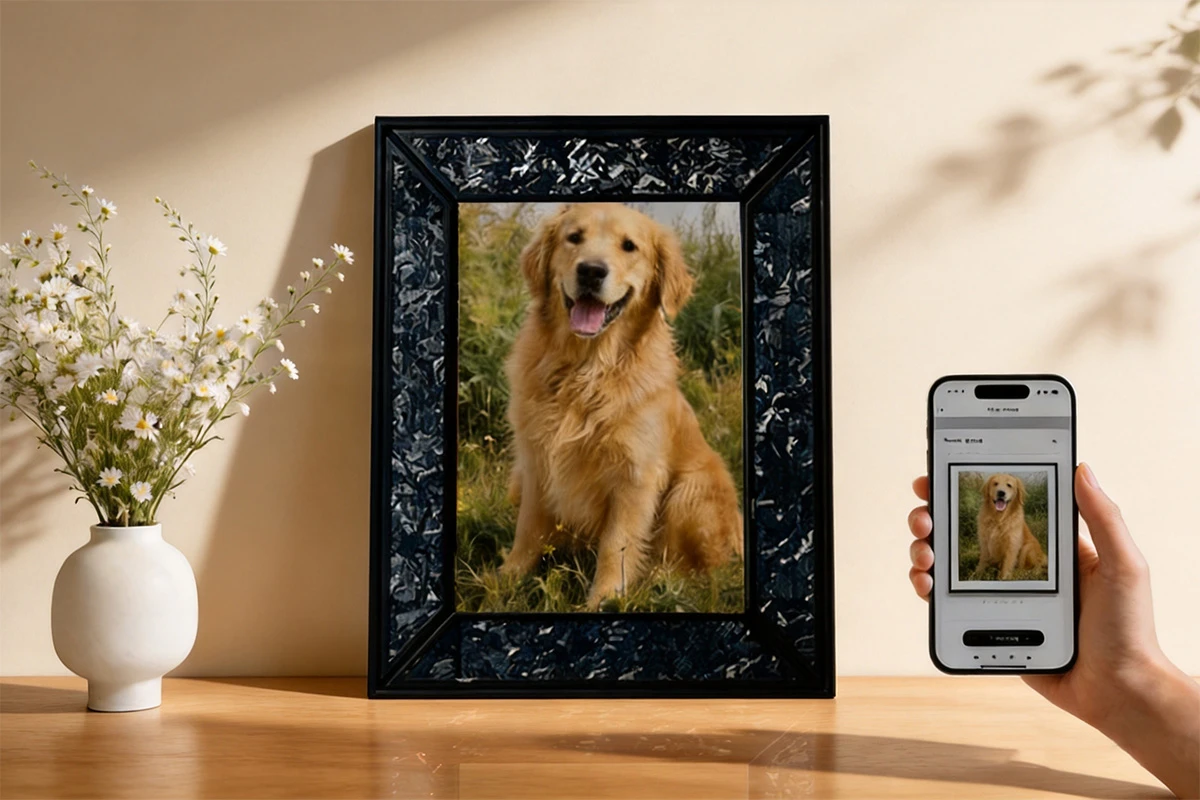
This ePaper frame feeds on sunlight, not hype
A solar-powered ePaper frame that doesn't need to be plugged in? That's the kind of detail that makes you stop scrolling. This new gadget claims to be the first ePaper display capable of showing art and photos using nothing but sunlight. No cord, no battery anxiety, just the sun doing the work. That's clever. It means you can hang it wherever the light hits, not wherever the outlet is. The frame feeds on sunlight, not hype, which is refreshing in a category usually drowning in glossy promises. It's a Kickstarter project, so we'll be watching to see if it actually ships. If you're the type who circles back for the honest take, you might also enjoy our look at whether the MIRA X laser engraver cuts through its own crowdfunding hype.

Apple's HomeView Finally Gives Your Smart Bulbs a Room With a View
Apple finally put a screen on its smart home hub, and it looks like the iMac G4's younger, wall-mountable cousin. The HomeView comes in two flavors: a tabletop model with a screen perched on a speaker base, and a flat, mountable panel for when you want your home controls to disappear into the wall. It handles Matter and Thread, so your smart bulbs and locks can finally talk to each other without a translator. That polish is pure Apple, but the real question is whether this arrives as a finished product or another concept that keeps slipping. It's a smart display, sure, but it's also a communication console and an entertainment screen. If you want to dig into why it feels like a nostalgic chimera, our piece on that angle is worth circling back to.

Apple finally built a smart home hub, and it brought some friends
Apple finally built a smart home hub, and it brought some friends. The HomeView is Apple's first smart display, and it arrives with a 7-inch squircle design that looks like a gargantuan smart speaker grew a face. It costs $299 and preorders are open, which is nice because Apple has been threatening to make a smart display for years and years without ever actually doing it. The HomePod Mini 2 also finally exists after nearly six years, coming in at $149 with preorders open and a Friday launch date. Spoot already has a tab open on that one. The whole "Welcome Home" event dropped a slate of new smart home and security accessories too, built with trusted third-party manufacturers. It is the most serious hardware push Apple Home has seen in a long time.

Apple finally has a smart display you can actually preorder for $299
Apple's HomeView is a 7-inch squircle that looks like a gargantuan Apple Watch bolted to a speaker base, and it costs $299. You can preorder it now. It ships November 13th. That is a real date from a real company, which already makes this more concrete than most smart-display launches. The HomeView controls smart home tech, shows recipes, runs music playback, makes FaceTime calls, and hosts widgets. It is clearly the centerpiece of Apple's big push into the home. The question Spoot always asks: Who is this for? If you are already in Apple's garden, this is the front door you have been waiting for. If you are not, $299 is a lot to pay for a lock you did not ask for.
Five pocket pals that finally let your phone sit this one out
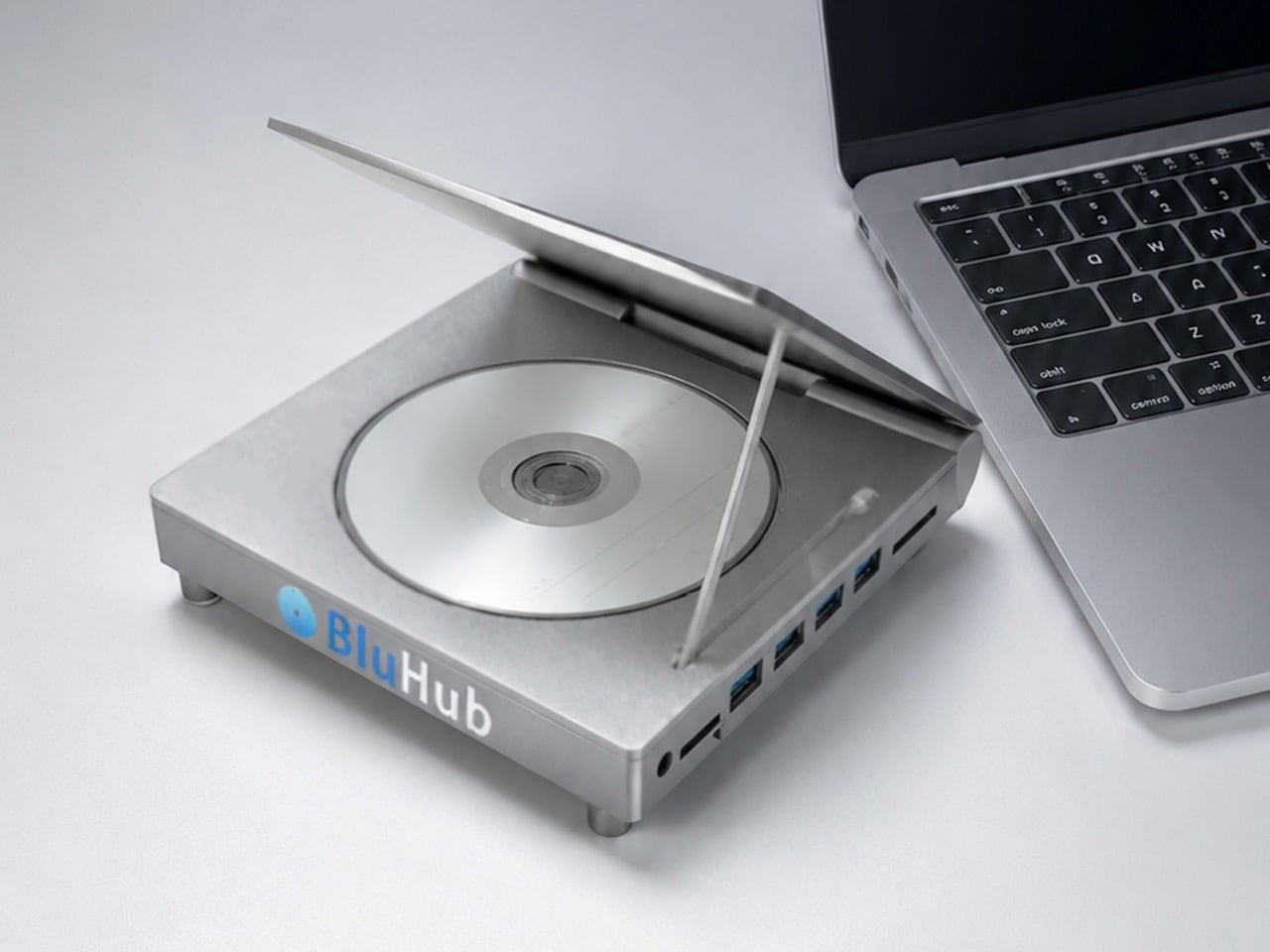
You reach for your phone to change a song, take a picture, or read a few pages. The task takes seconds; everything surrounding it is friction, unlocking, swiping, notifications, the gravitational pull of a screen that was supposed to help you disconnect. These five pocket pals finally let your phone sit this one out. They are tiny, focused, and gloriously single-purpose: a music player that does nothing else, a camera that can't text you, a gadget so small you forget it's there until you need it. Each one found the razor clam in your daily routine, that narrow moment where a phone is overkill. They don't want your attention for hours. They want three seconds and then they disappear back into your pocket.

The AI assistant is the product, the gadget is just its cage
The AI assistant is the product, and the gadget is just its cage. That's the takeaway from this week's Vergecast, where David and Nilay tear through Microsoft's high-end laptop, Amazon's fancy Android tablet, and Apple's headfirst dive into the smart home. The hardware is shiny, sure, but every single launch is really just a vessel for the same idea: the AI should run the computer. Whether that's even the right idea is the question worth asking. It's gadget season, and the spec sheets are full of clever hinges and long battery claims, but the actual strategy is suspiciously uniform. If you want a deeper cut on the weirdness, the Apple robot arm piece is worth a read. Spoot's take? The cages are getting prettier. The thing inside still hasn't proven it can fly.
Apple's robot arm finally gives the HomePod something to reach for
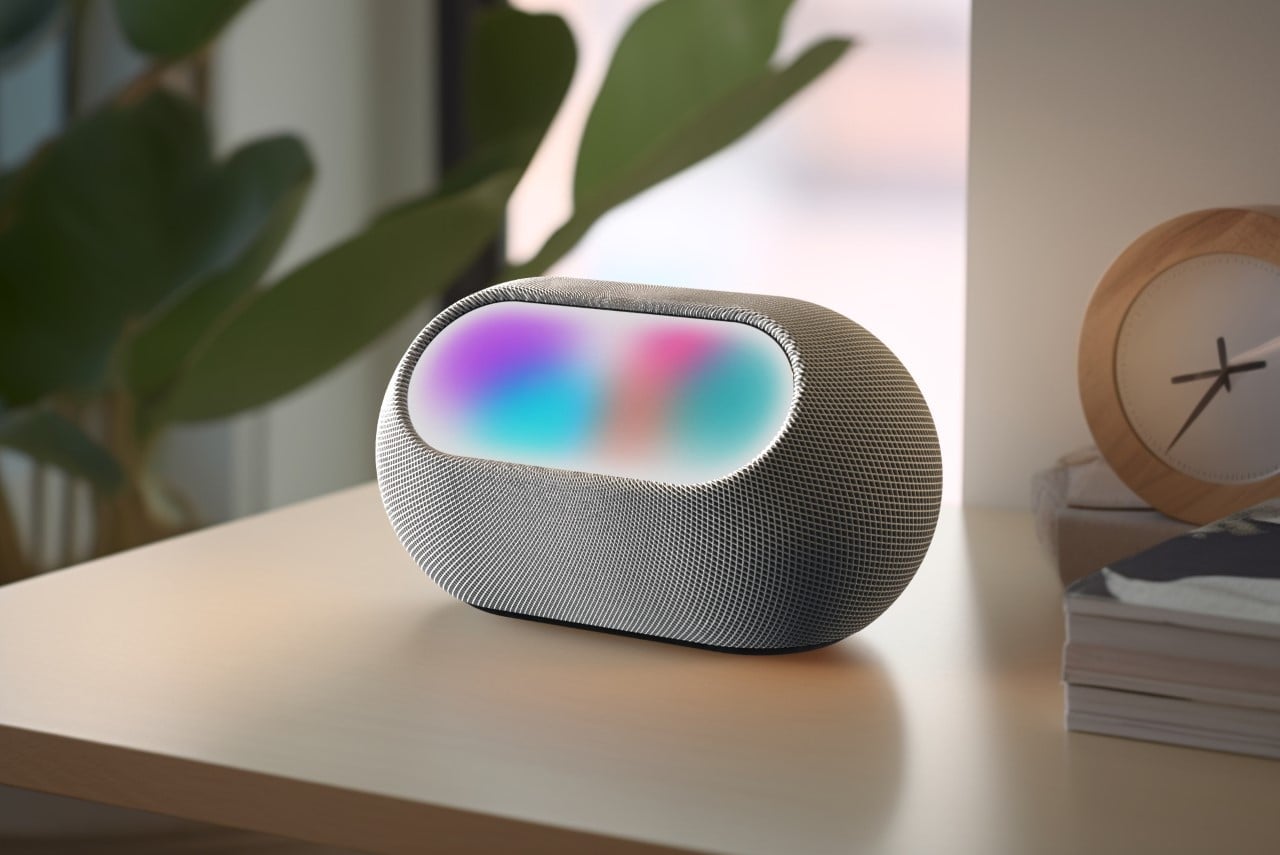
Apple event names usually read like perfume ads. Wonderlust. Scary Fast. It's Glowtime. This one, though, landed with a thunk: October 13th, and the HomePod is finally getting something to reach for. A screen. A robotic arm. A speaker that turns toward you like a sunflower with better taste. The invite alone is doing more heavy lifting than a spec sheet, because the question was never whether the HomePod sounded good. It always did. The question was whether it would ever do anything worth watching. Now it moves. That's the razor clam: not the display, not the motor, but the implication that Apple finally believes a speaker should follow you around the room. If you've ever yelled at a stationary device from the couch, you already know why this matters.

Two Anker 45W chargers for under fifty bucks sounds like a dare
Two Anker 45W chargers for under fifty bucks sounds like a dare. Anker's latest single-port USB-C charger packs 45W, foldable prongs, and a front-facing smart display that shows charge level and power flow at a glance. Normally $39.99, it's down to $23.99 during Amazon's October sale, which means you can grab two for less than what one usually costs. That's the kind of math I can get behind. The deal runs until 3 AM ET on October 8th, 2026, so this window is narrow and fast. If you've been circling back on a compact travel charger that actually tells you what it's doing, this is the razor clam. Also worth a look: our roundup of Prime Day's cheap seat, six things under $25 that don't suck. Stay spooty.

Prime Day's cheap seat: six things under $25 that don't suck
You could spend a Prime Day budget on one big thing, or you could let six smaller ones burrow into your life for under $25 total. This roundup sniffs out the deals that actually deliver: JLab Go Air Pop earbuds with a charging case that doubles as a plug, an Anker 45W charger that shows you its power flow like a tiny dashboard, and a LifeStraw that filters microplastics from whatever questionable water you find. The Best Picture winner *Everything Everywhere All At Once* on 4K Blu-ray for twelve bucks? That's the kind of chaos we can get behind. Fewer picks this year because everything costs more, which stinks, but the ones here earn their spot. If you're hunting bigger prey, our robot vacuum roundup shows how Prime Day scrubs prices there too.

These robot vacuums scrub floors while Prime Day scrubs the price
Floors have never been cheaper to ignore. Amazon's Prime Big Deal Days slashed prices on robot vacuums that scrub, mop, and navigate like tiny, determined geologists, and the Dreame X60 Ultra is doing the dirty work for $400 less than usual. It's only 3.13 inches tall, which means it slides under furniture most bots scrape against, and its dual AI cameras actually *see* where they're going. That's the razor clam: a lidar-free approach that learns your floor plan instead of bumping into it. The deals aren't exclusive to Prime members either, Best Buy and the manufacturers are matching or beating prices. If you've been wondering whether robot cleaning has finally stopped being a compromise, this sale is the answer. Also, Amazon's October Prime Day leaked early, and it's already hunting for deals.