
USB-C
USB-C at Spoot: Spotted Early is a file of 8 stories. The newest of them: “Fanttik's S1 Pro electric screwdriver digs down to $40 for early Black Friday”, “Sony resurrects 1979 Walkman cans with USB-C and foam squish”, and “Nokia's new flip phone sets up from afar but refuses to leave 2G behind”. Forty dollars off an electric screwdriver is the kind of early Black Friday deal that makes you wonder if you should start a list of things you didn't know you needed. Spoot: Spotted Early New things, caught while they're still new and a little weird. Spoot finds fresh gadgets, clever inventions, crowdfunding campaigns,… The list below is every USB-C story on Spoot: Spotted Early, newest first.

Fanttik's S1 Pro electric screwdriver digs down to $40 for early Black Friday
Forty dollars off an electric screwdriver is the kind of early Black Friday deal that makes you wonder if you should start a list of things you didn't know you needed. Fanttik's S1 Pro has been the go-to for *Verge* commerce editor Brandon Widder, who reportedly used it to assemble a bed and tighten bike seats, which is exactly the kind of real-world abuse a tool should survive. Three torque settings mean you can trust it with electronics or let it loose on tougher projects. It comes with 16 bits, a built-in LED for dark cabinets, and a 2,000mAh battery that handles up to 340 screws per charge via USB-C. The price is $39.99 at Amazon, matching its all-time low. If you're still reading, you already have a tab open.
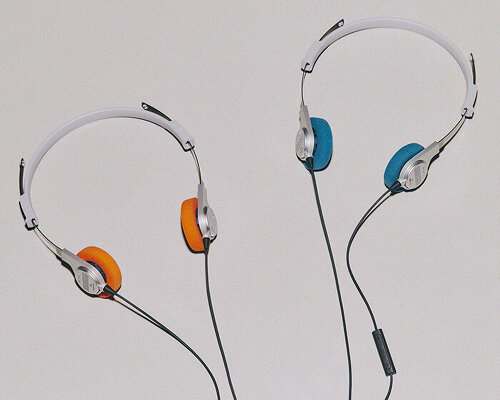
Sony resurrects 1979 Walkman cans with USB-C and foam squish
Sony dug up the blue and orange foam ear pads from 1979 and put them back on a wire. The original Walkman headphones are back, squish included, and this time they end in USB-C. That plug matters: it means your phone, laptop, or tablet can drive them without an adapter, which is a quiet little mercy the launch video probably skipped. The cans themselves look almost unchanged, which is the point. You want the foam, the colors, the memory of pressing play on a cassette that probably ate your mix tape. Sony knows that. It also knows a modern connection lets you actually use them. The nostalgia is real, but the USB-C keeps it from being a museum piece. If retro revivals interest you, New Balance's TL900 pulls the same trick with trail shoes.
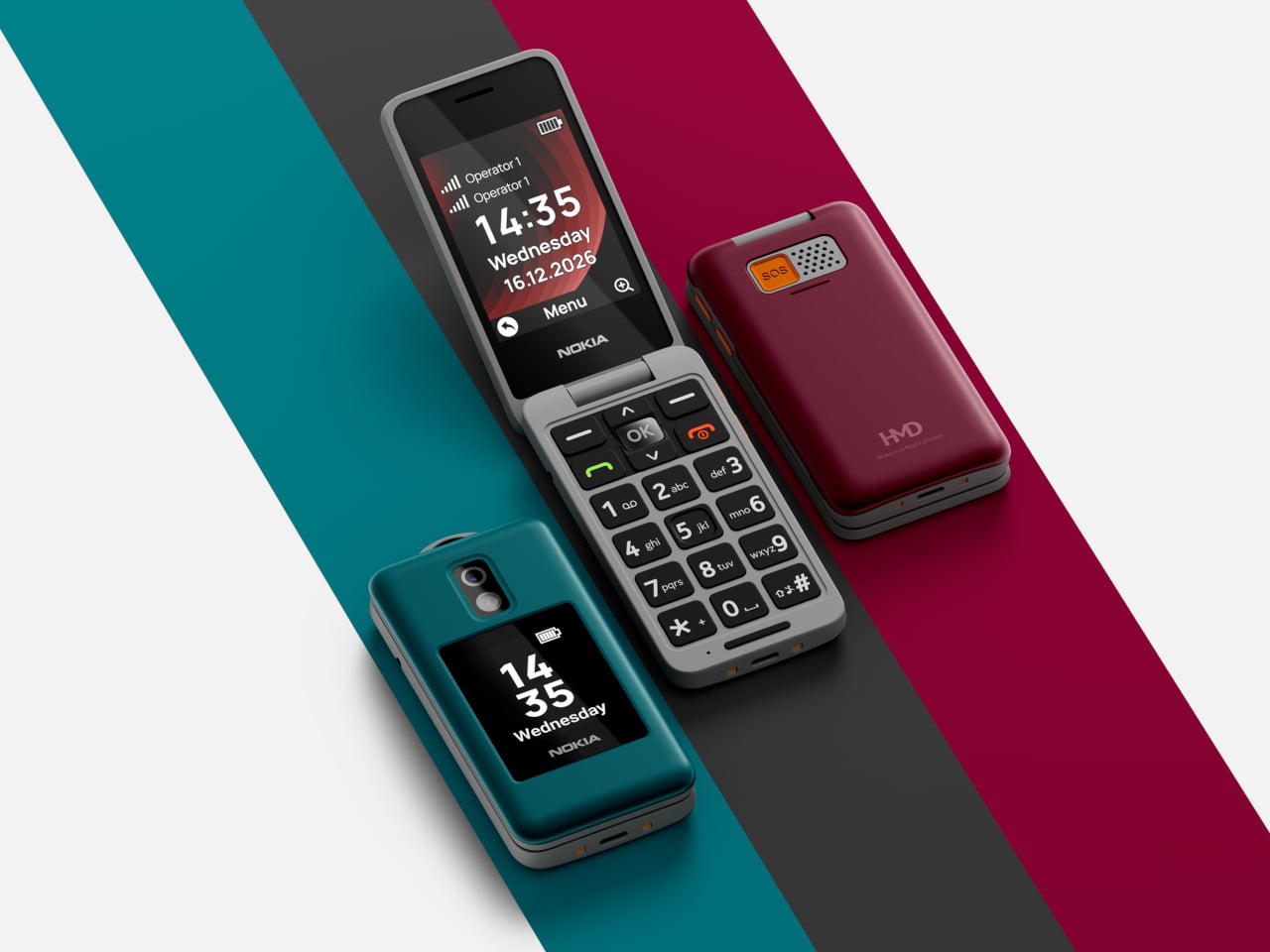
Nokia's new flip phone sets up from afar but refuses to leave 2G behind
Nokia's new flip phone sets up from across the room, but it refuses to leave 2G behind. The 2360 Flip Phone offers remote setup, which is genuinely clever for anyone buying a phone for a parent who lives a few hours away. But it sticks with 2G, and that's the detail that makes you stop scrolling. Smartphones can do almost anything these days, but that doesn't make them the best choice for someone who simply wants to make a call. HMD's approach here is refreshingly narrow. It asks what a phone actually needs to do, then stops adding. No app store. No camera bump. Just a reliable connection. If you're the type who circles back to weird little hardware bets, you probably also had a tab open on the Aura Smart Bird Feeder.
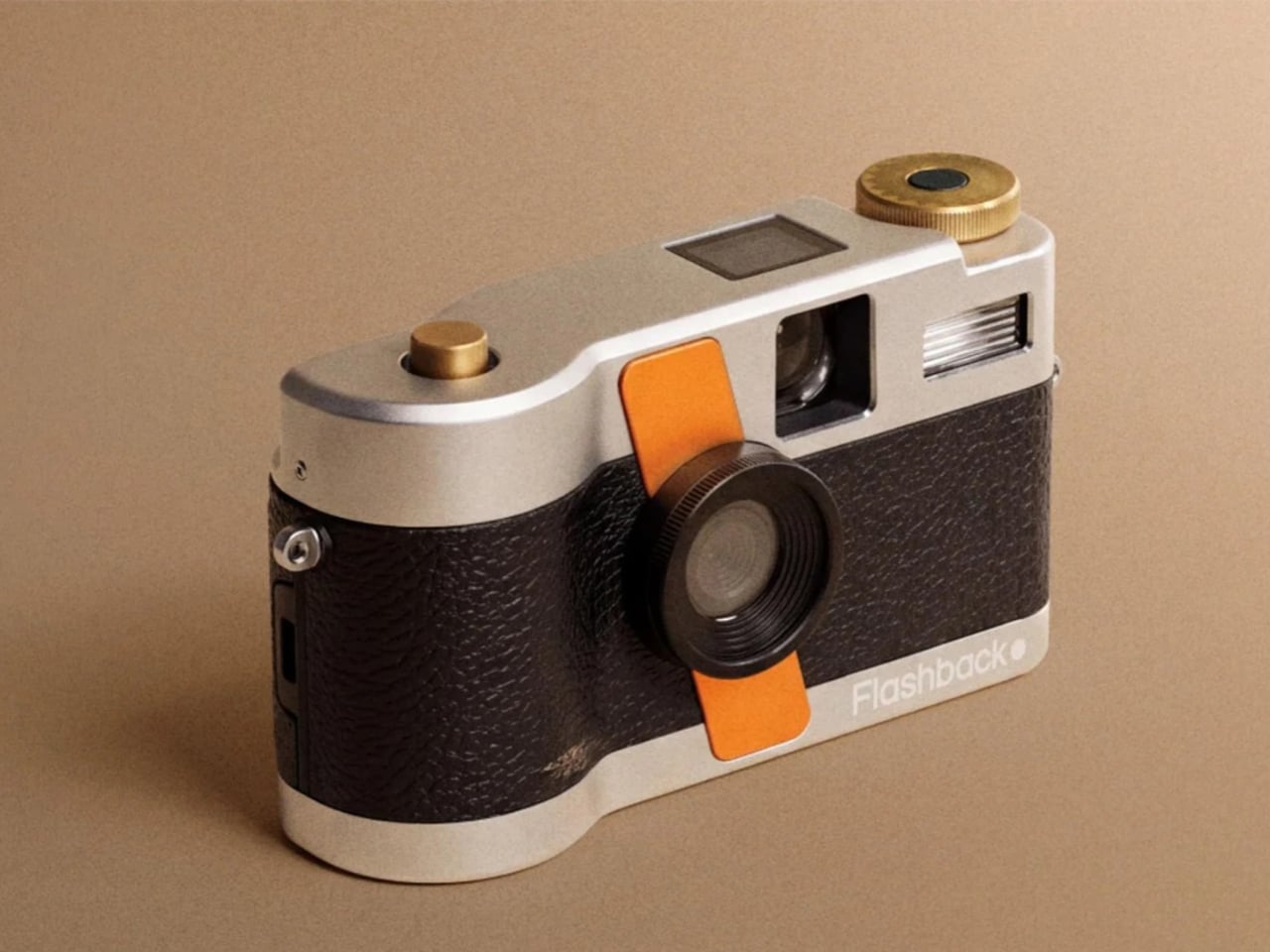
The approval loop is the real film: Flashback One75 skips the lab fees
The picture's taken, but the moment isn't over until someone checks it, requests another, and decides the first one was better. That little approval loop is where the real film lives, the huddle, the zoom, the collective nod. Flashback One75 wants you to keep that ritual without the lab fees. It's a device that digitizes the analog film workflow, skipping the chemicals and the waiting room, but preserving the ceremony of seeing your shot come together. You still load the film, still wind the advance, still feel that mechanical click. The difference is the preview shows up on a screen instead of a negative. It's for anyone who loves the process but hates the receipts.
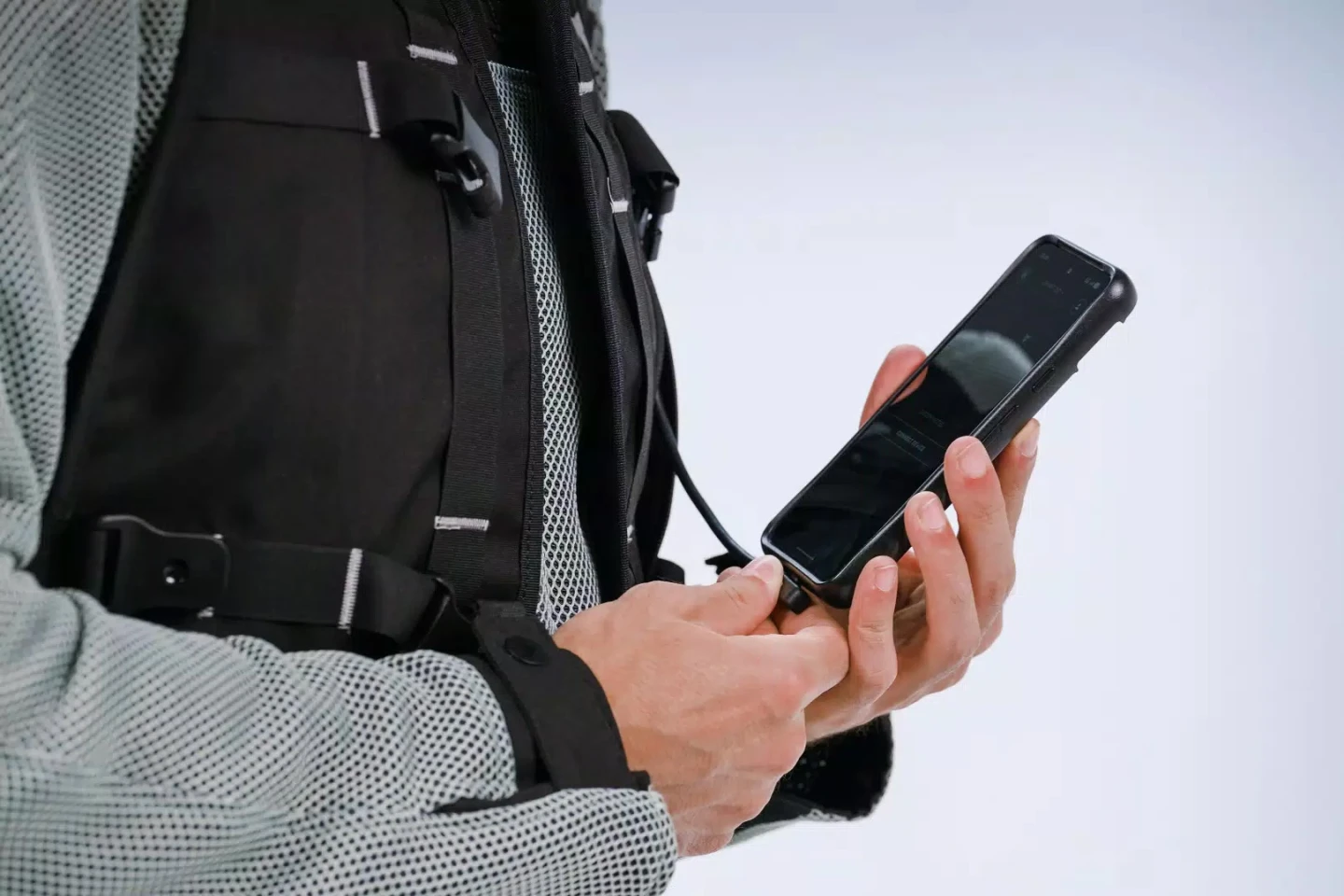
Dainese's new airbag vest runs off your phone instead of a battery
Dainese just made an airbag vest so small and light it doesn't even have a battery. Instead, it runs off your phone. That's the kind of detail you scroll past, then circle back to because it's genuinely weird and wonderful. Every other vest on the market carries its own power brick, adding bulk you can't ditch. This one borrows a sip of juice from the device already in your pocket. It's arguably the smallest motorcycle airbag vest you can buy, and it gets there by asking a simple question nobody else thought to ask: why carry two batteries when you're already carrying one? The razor clam here is the power draw, whether your phone can keep up without dying mid-ride. We're watching this one closely.
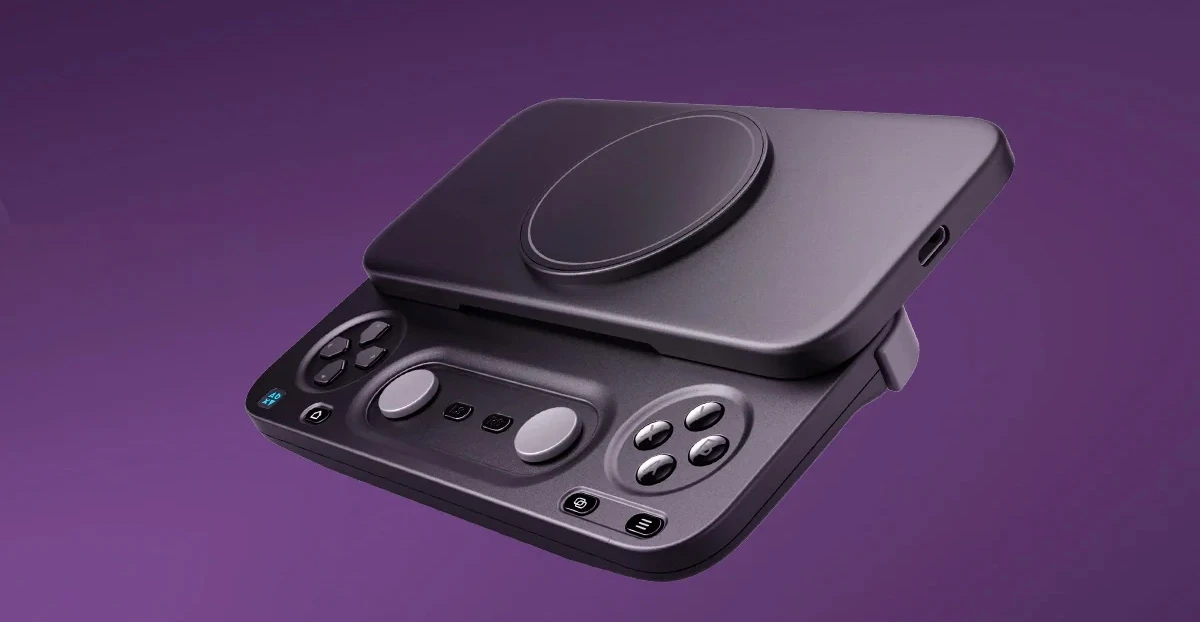
Pocket-sized buttons, real joysticks, and a phone that finally plays like a handheld
There's a particular dread that comes with trying to play a real game on a phone: your thumbs cramp over the screen, the touch controls drift, and you lose the boss fight because your finger slipped. Abxylute's new M5 and M6 controllers are the counterargument. They pack proper-sized buttons and real joysticks into a form that attaches securely to your phone and still slips into a pocket. That's the whole pitch, and it's a good one. The M6 is the one I'm circling back to, because a motion controller that fits in your jeans is the kind of weird, specific promise that either works brilliantly or becomes a drawer ornament. It's a Kickstarter, so we'll see if they ship. But for anyone who's ever squinted at a touchscreen d-pad, this is worth tabbing. Stay spooty.

This $175 smart paddle drags pickleball off the court and onto your couch
The $175 smart paddle doesn't care about your living room ceiling. It's a Wii-style controller disguised as a paddle, and it wants to turn your TV into a pickleball court, which means the fastest-growing sport in America has finally found its way to your couch. That's the pitch, and honestly, it's a good one: no net, no wind, no missing the kitchen line because you're barefoot and holding a snack. It's clever, and it knows it. But Spoot's gently skeptical here, because "smart paddle" can mean a lot of things, and "turns your TV into a court" usually means a lot of lag and a broken remote. The real question isn't whether it's fun. It's whether it's worth $175 when you could just buy a real paddle and a friend.

Nothing Ear 1 dips to a whisper while October deals circle the drain
October deals are circling the drain, and Nothing's first over-ear headphones are whispering from the discount bin. The Nothing Ear 1, sorry, *Headphone 1*, drops to $189 at Amazon, which is $110 off a $299 launch price that always felt a little ambitious for a first-gen product. But that retro transparent design? Still gets me. Active noise cancellation, spatial audio with head tracking, plush pads, and a paddle button that lets you flick through tracks without fishing for your phone. It's a lot of personality for under two bills. The question, as always with Nothing: does the polish match the panache? At this price, the answer gets easier. Also worth a peek at our "Prime Day's cheap seat" roundup if you're hunting for deals that don't demand a Prime subscription.