
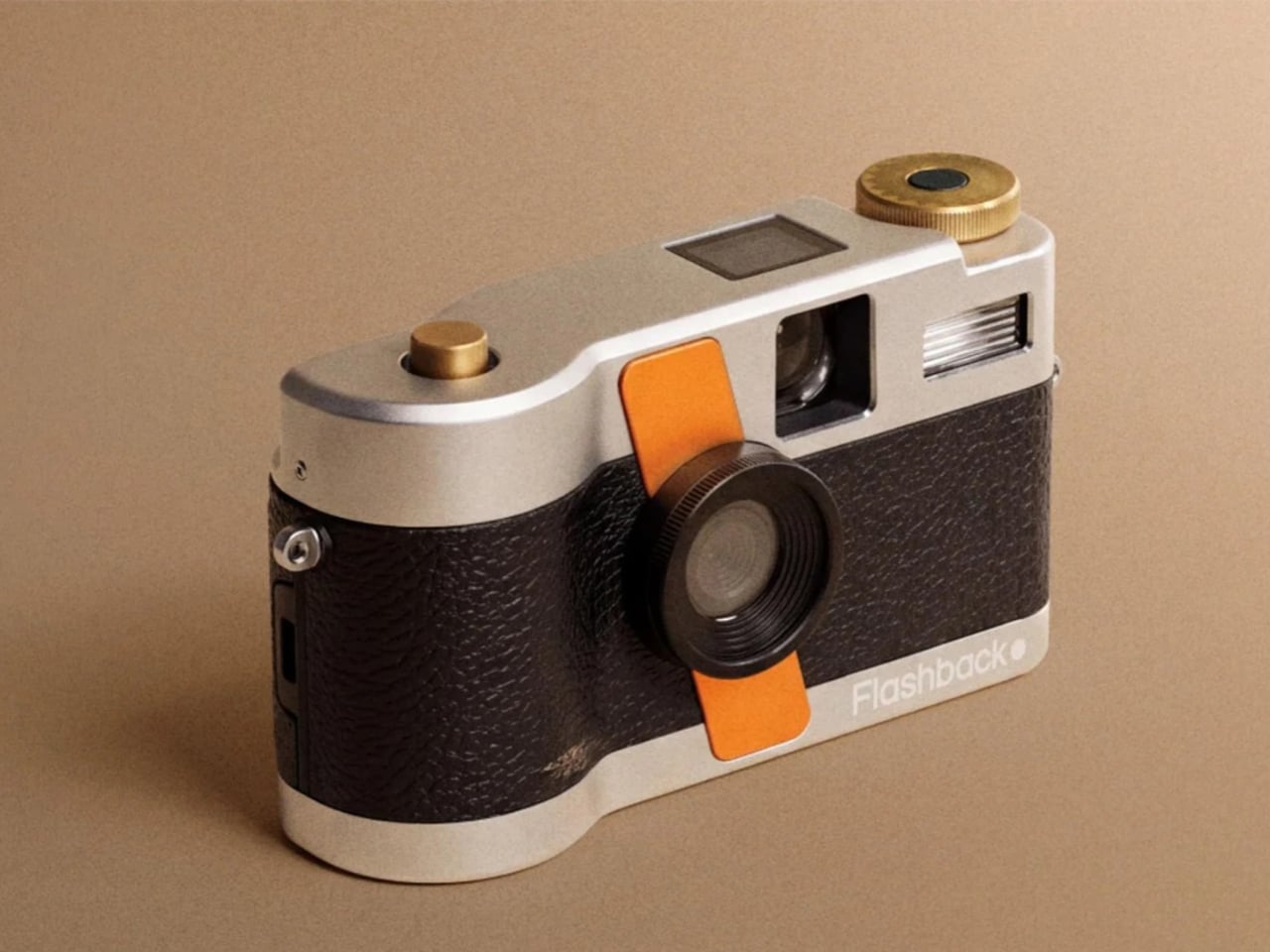
The approval loop is a liar. It tells you the picture is done, then drags you back for another look, another zoom, another quiet panic about whether someone's eyes were closed. Flashback's One75, a $179 digital point-and-shoot that skips the preview screen, is betting you'd rather break that cycle than feed it. I think it's onto something real, even if the camera's ultimate value depends on a question it hasn't fully answered yet.
The One75 borrows the rituals of film without the recurring costs. Twenty-seven shots per digital roll, an optional 24-hour delay before you see them in the app, a mechanical wind-on control that does nothing but separate one frame from the next. That last detail is wonderfully unnecessary, the kind of tactile gesture that makes you slow down because the camera itself insists on it. Flashback also promises free photo development and no subscriptions, which matters more than another decorative nod to analog photography. The cost of film is one nostalgic detail I'd happily leave behind. Compare that to something like the Dainese's new airbag vest runs off your phone instead of a battery, which strips away hardware complexity by leaning on a device you already carry. Both products are asking the same quiet question: what can we remove without breaking the experience?
The body gives the idea a convincing physical home. Aluminum top and bottom plates, a black leather-textured front, brass controls, and a bright orange strip behind the lens that keeps the whole thing from looking like a museum reproduction. There's an OLED screen on top for settings and film selection, but it doesn't invite you to inspect everyone's expression after every shutter press. That omission is the whole point. The One75 also offers eight film-emulation options and a double-exposure mode, which feels like a particularly good fit for a camera built around surrendering control. I'd rather have a few strange pictures worth discussing than an entire roll that feels obliged to look tastefully vintage. It reminds me of the Pocket-sized buttons, real joysticks, and a phone that finally plays like a handheld, another device that adds physical controls to a digital core, not because they're necessary, but because they change how you interact with the thing.
But here's where I stop nodding and start squinting. The One75's specifications don't include sensor size, lens aperture, or focal length. The fixed-focus setup favors simplicity, but I haven't tested the camera, and attractive product photography isn't enough to tell me whether I'd love the photos it takes. At $179, I'd want the One75 to earn its place alongside a phone, rather than become another attractive object that stays in a drawer. Preorders are supposed to arrive before Christmas 2026, which is a long runway for a company asking people to commit to a shooting routine before they've seen what the sensor can do. Flashback's case rests on whether those small interruptions make taking pictures enjoyable enough to carry a separate camera. For a birthday dinner or a weekend with friends, I can see the appeal of leaving the photographs unjudged until everyone has gone home. The question is whether the One75's results will be good enough that you want to look at them at all.