
digital camera
digital camera at Spoot: Spotted Early is a file of 6 stories. The newest of them: “Leica gives its M-A and M11-P cameras a finish that actually wants to be touched”, “Camp Snap CS-8 Mini shrinks the retro camcorder for smaller hands”, and “This camera decomposes before your photos ever do”. Leica has given its M-A and M11-P a finish that practically dares you to keep your hands off them. Camp Snap's original retro camcorder was supposed to be a summer-camp toy for kids. Spoot: Spotted Early New things, caught while they're still new and a little weird. Spoot finds fresh gadgets, clever inventions, crowdfunding campaigns,… The list below is every digital camera story on Spoot: Spotted Early, newest first.
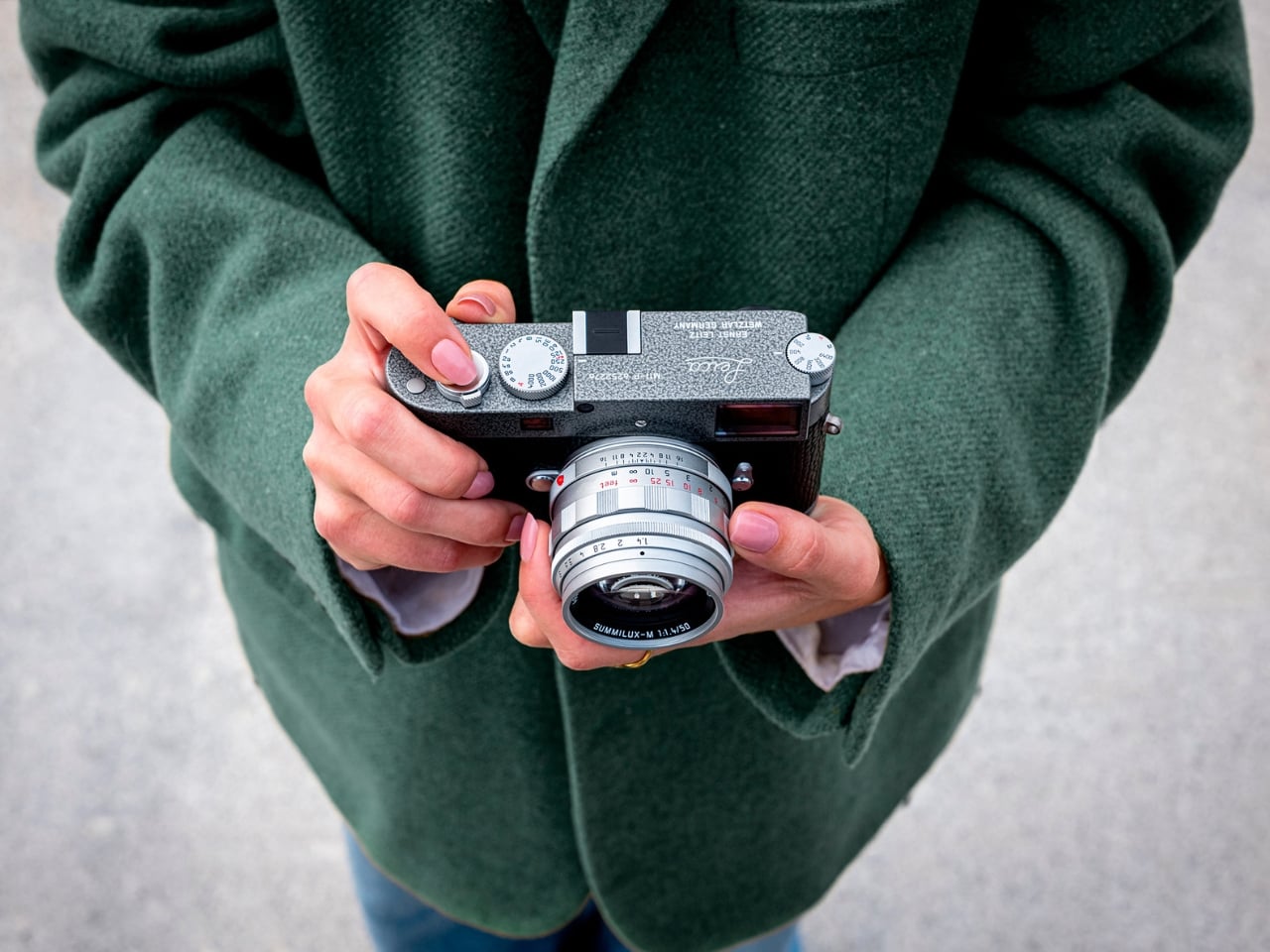
Leica gives its M-A and M11-P cameras a finish that actually wants to be touched
Leica has given its M-A and M11-P a finish that practically dares you to keep your hands off them. It's called Hammertone, a textured, pebbled surface that catches light differently depending on how you hold it, and feels like it was designed for the kind of photographer who's already running a finger along the edge before they've even looked through the viewfinder. One of my most memorable possessions when I was younger was a truly analog film camera. Somehow, I lost it when I was in college, and I still think about the way it felt in my hands. Leica seems to understand that instinct. This isn't a spec bump or a sensor upgrade. It's an invitation to touch.

Camp Snap CS-8 Mini shrinks the retro camcorder for smaller hands
Camp Snap's original retro camcorder was supposed to be a summer-camp toy for kids. Instead, adults with a weakness for chunky plastic and that particular 90s video grain snatched it up. So now the CS-8 Mini shrinks everything down, smaller grip, smaller hands, smaller target audience. It's a clever pivot, and it raises the right question: will this one actually end up in a kid's backpack, or will another wave of grown-ups just find it even cuter? The original's charm was its bulk. The Mini trades that for portability, which might be exactly what a fidgety eight-year-old needs. Or what a collector wants for the shelf. Either way, the razor clam here is the intended user, because Camp Snap just admitted its first guess was wrong.
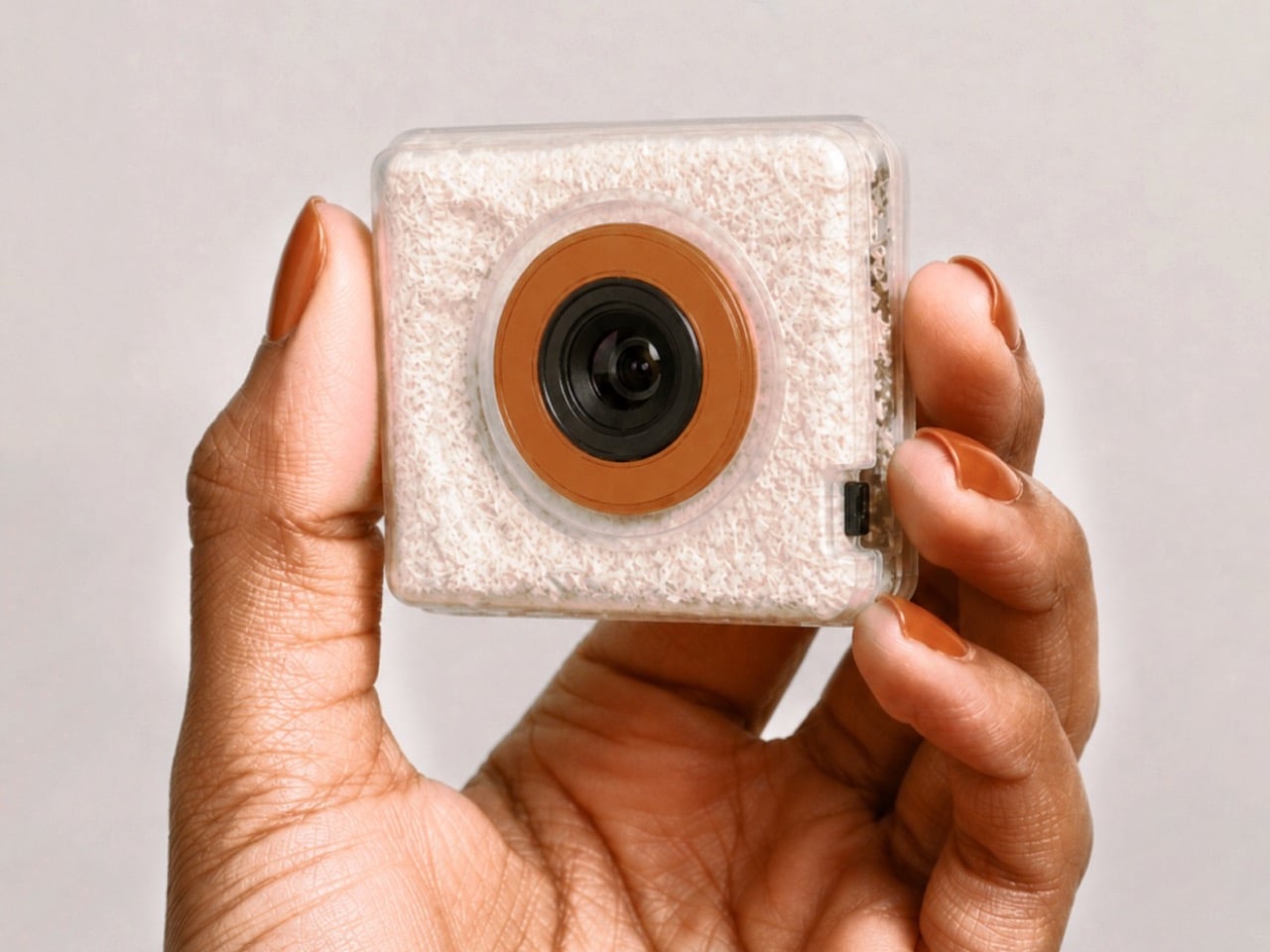
This camera decomposes before your photos ever do
Forty years ago, Fujifilm launched the QuickSnap, a plastic box of film you shot, dropped off at the drugstore, and never saw again. The disposable camera has always been a monument to planned obsolescence, a single-use plastic brick that outlives its own purpose by centuries. This one flips the script entirely. It grows from mycelium, the root-like network of fungi, and decomposes before your photos ever do. You don't recycle it. You bury it. That's the kind of material thinking that makes you wonder why we ever used plastic for anything temporary. It's still a disposable camera, so the questions about cost and availability matter, but the concept alone feels like a quiet rebellion. If you liked the clever rethinking behind Flashback's single-day development model, this fungal frame is worth watching too.
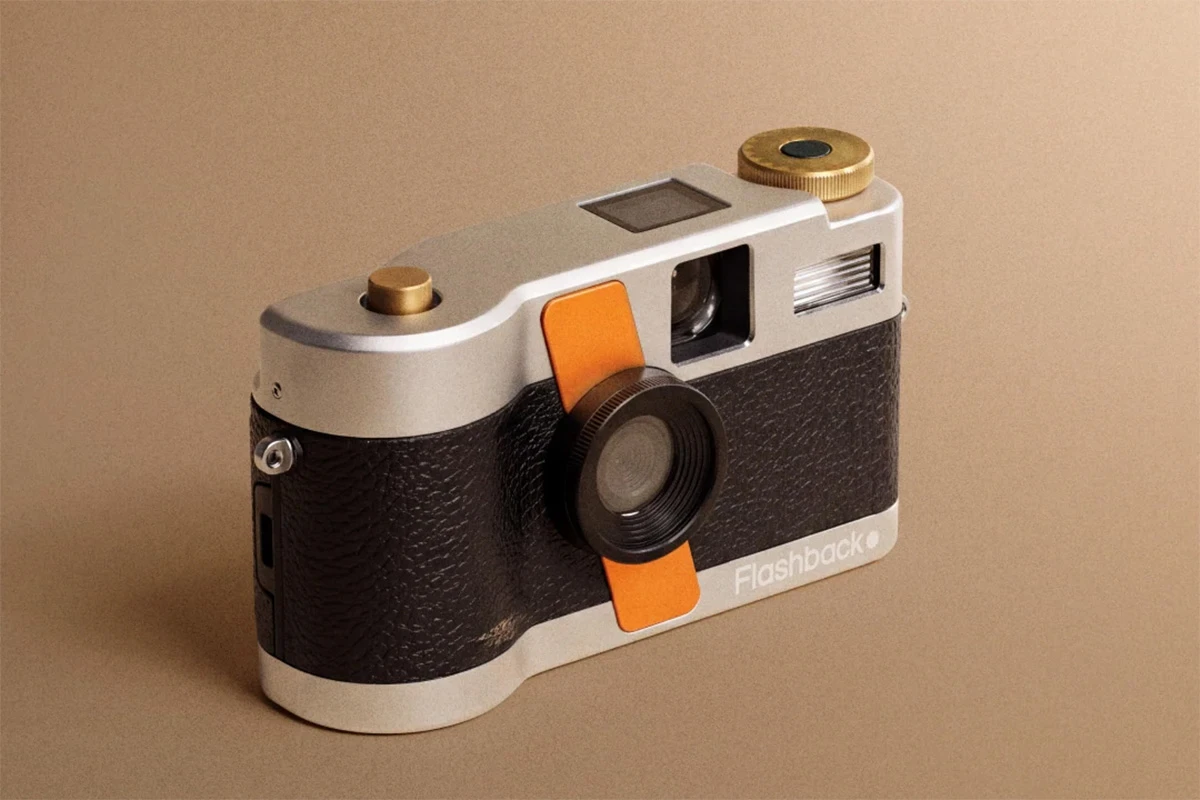
This disposable camera clone develops your photos in a single day
There's a specific anxiety that comes with handing over a disposable camera at the drugstore and waiting a week to see if you accidentally photographed your own thumb for 24 frames. Flashback's new model understands that dread. It clones the look and feel of those cheap, plastic film cameras but develops your photos in a single day. No waiting. No mystery. Just that same tactile, fuss-free experience of winding the wheel and hearing the click, now with the speed of a digital workflow. It's for people who want the nostalgia without the patience test. A warm, slightly feral little gadget that asks: do you miss the ritual, or just the results? If you liked the minimalist guts of Rega's stripped-down turntable, you'll appreciate what Flashback is doing here.
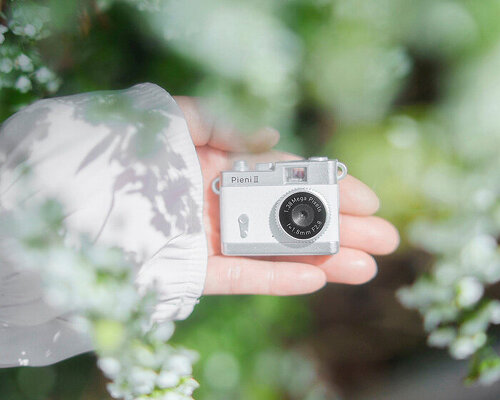
Kenko's pieni III has no screen and no idea what you're pointing at: perfect
The pieni III has no screen and no idea what you're pointing at. That's the whole point. Kenko's latest is a miniature film-camera lookalike that forces you to guess, frame wildly, and accept whatever comes back. No chimping. No retakes. Just lo-fi photos that feel like little surprises. It's a tiny, charming rebellion against the phone-camera reflex of checking every shot immediately. You load it, point it, and hope. That kind of spontaneity is rare in a world where your camera roll holds 14,000 duplicates. If you like the idea of constraints making things more interesting, check out our piece on the $146 Await camera, which limits you to 24 shots per roll so every frame has to earn its keep.
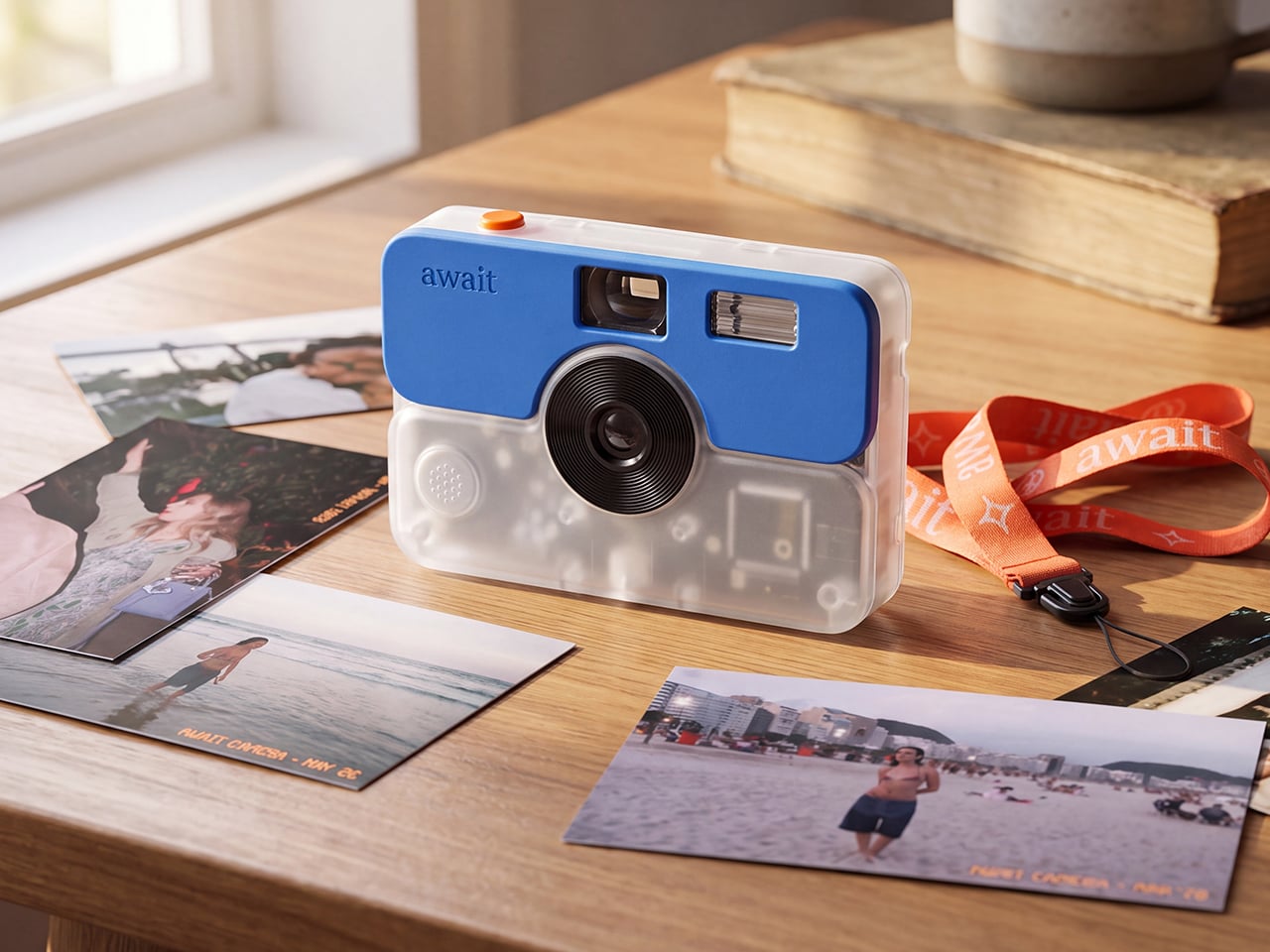
24 shots, zero duplicates: $146 Await makes every frame feel like film
Twenty-four shots. Zero duplicates. No infinite scroll of the same pasta dish, captured from slightly different angles and never opened again. The $146 Await camera drags us back to the disposable era, where every frame costs something and hesitation is the enemy of a good photo. It is a beautiful, deliberate constraint. The kind that forces you to feel the shutter press instead of just firing off a burst. We are all so busy documenting that we forget to look. Await makes you look. It is not a gimmick; it is a dare. And if you are tired of curating a camera roll that no one will ever scroll through, this is the gentle, expensive nudge you needed. Stay spooty.