
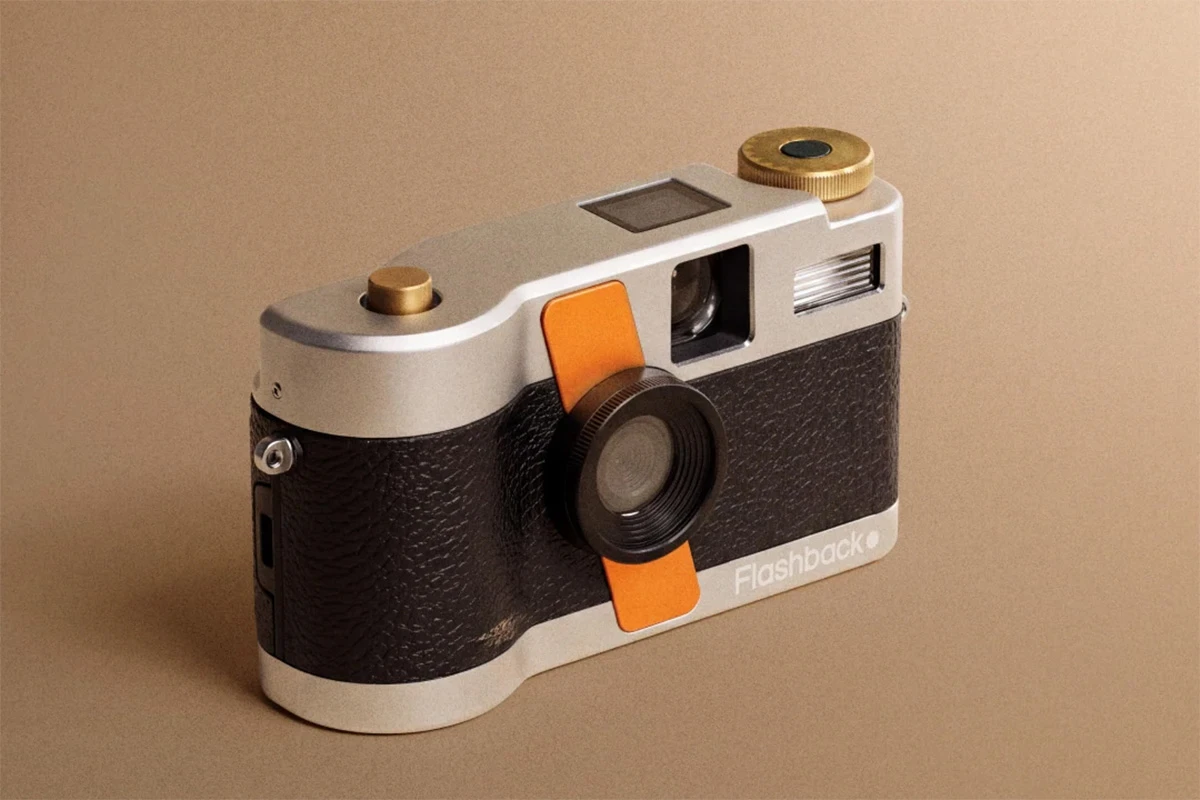
Flashback's new camera wants to give you the disposable-film experience with same-day digital development, and honestly? That's the most interesting thing a photography startup has done in years, not because it's technically radical, but because it understands what we actually miss about those cheap plastic cameras. We don't miss the grain, the light leaks, or the crushing disappointment of twenty-three blank frames. We miss the enforced patience. We miss not being able to check the shot. We miss the tiny ceremony of dropping off a roll and waiting. Flashback is betting that the ritual matters more than the medium, and that's a bet worth watching, especially when you consider how other gear makers are stripping things back to essentials, like Rega strips the turntable to its bare essentials and halves the price or how The Arrowmax S1 picks the bit and torque so you don’t have to removes the guesswork from screwdriving. Each of these products is asking the same question: what's the friction people actually hate, and what's the friction they secretly love?
Here's what we know: Flashback's upcoming model promises that fuss-free disposable camera experience, the point-and-shoot simplicity, the fixed focal length, the lack of a screen telling you to recompose, but it swaps the chemical development for digital processing that finishes in a single day. That's the razor clam in the spec sheet. Most digital cameras that try to mimic film end up giving you a filter and calling it a day. Flashback is giving you the delay. You shoot twenty-seven frames, hand the camera over (or mail it in, presumably), and then you wait. The images arrive the next day, fully developed, on your phone or computer. You can't peek mid-roll. You can't delete the ones that didn't work. You have to live with your choices until the whole roll is done. That's not a feature you can spec out in megapixels. That's a behavioral constraint, and it's the whole point.
But here's where Spoot gets gently skeptical. The disposable camera worked because it was cheap, everywhere, and disposable. You bought it at the drugstore, shot it at a party, dropped it off at the same drugstore, and picked up prints a week later. Flashback needs to nail all three legs of that stool. What does this thing cost? Will it be stocked somewhere you can grab it on a whim, or will it live permanently in a pre-order queue? And the single-day turnaround, does that mean you drop it at a local lab, or does the startup need to build a processing infrastructure that doesn't exist yet? If the answer is "mail it in and we'll email you the files," you've just added a shipping delay to the one-day promise. That's a different product.
The cleverest thing Flashback could do is make the camera itself reusable but the processing disposable, a cheap plastic body you keep, a service you buy per roll. That would give you the ritual without the landfill guilt. It would also make the business model sustainable, which is more than most crowdfunded camera projects can claim. And if you're wondering whether this kind of deliberate constraint can actually work in a world where your phone already takes perfectly good photos, look at how Your shower could be mining Bitcoin while it heats your water, sometimes the most compelling products aren't the ones that do more, but the ones that make you wait for something you already have. The question Flashback has to answer is whether we'll pay for the waiting.