
camera
camera at Spoot: Spotted Early is a file of 10 stories. The newest of them: “Amazon's flying security camera is weird, real, and hovering in your hallway”, “This Screwdriver Sniffs Out the Right Bit and Lights the Way”, and “Raven Prism Glasses Squirt Linux Directly Into Your Peripheral Vision”. Amazon actually built it. Tiny screws have a knack for making simple repairs feel surprisingly complicated. Spoot: Spotted Early New things, caught while they're still new and a little weird. Spoot finds fresh gadgets, clever inventions, crowdfunding campaigns,… The list below is every camera story on Spoot: Spotted Early, newest first.

Amazon's flying security camera is weird, real, and hovering in your hallway
Amazon actually built it. The Ring Drone Cam is real, and it hovers. We figured the indoor security drone was one of those ideas that gets announced at a presentation and quietly suffocates in a drawer somewhere, but no, they made a quadcopter that you can deploy to patrol your hallway. It's weird, and that's exactly why it's interesting. You commission a literal flying robot to handle home security instead of a static camera bolted to the wall. That changes the question from "where do I put it" to "where do I want it to go." It is not a toy. It is a security camera that moves.
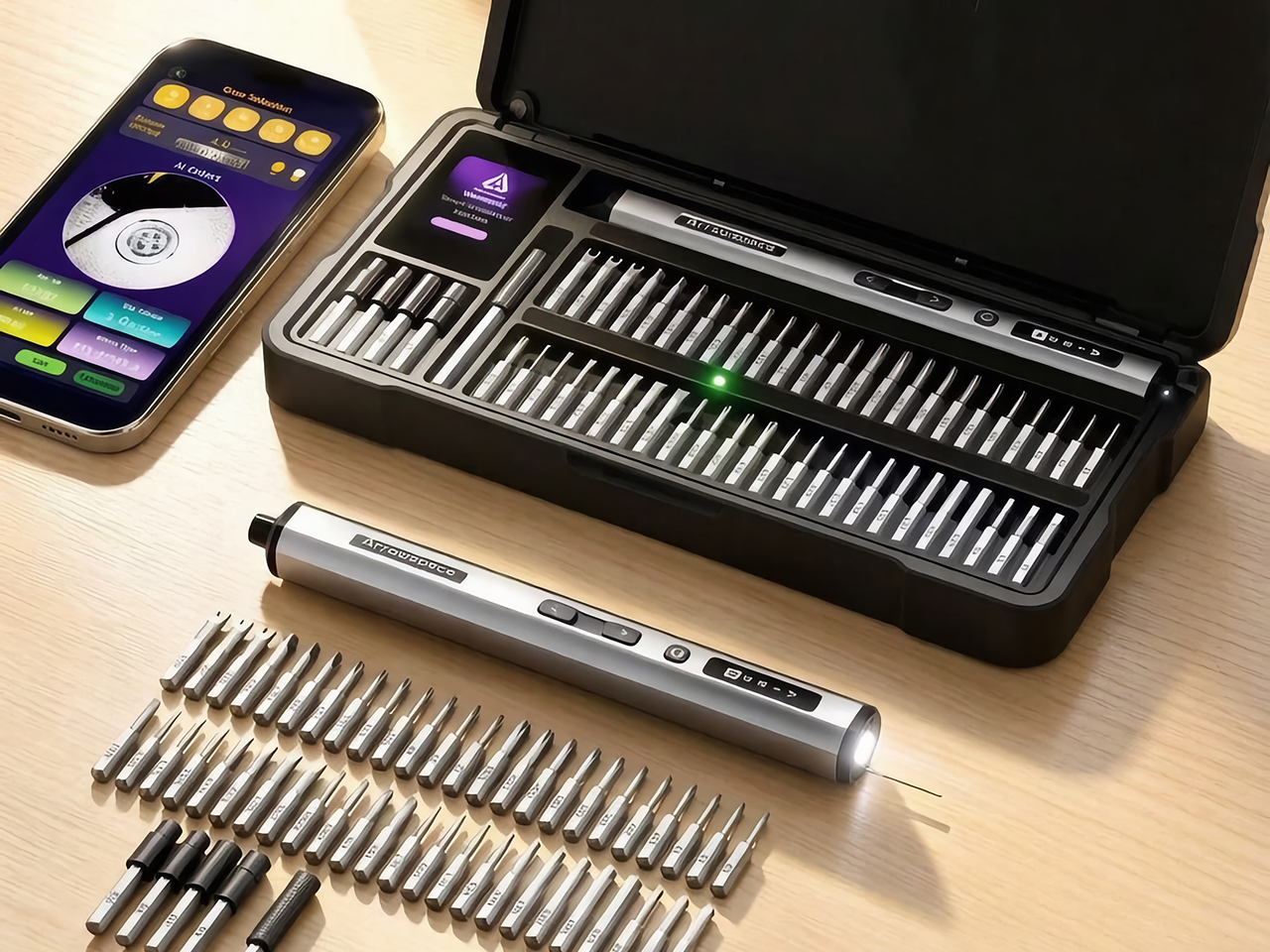
This Screwdriver Sniffs Out the Right Bit and Lights the Way
Tiny screws have a knack for making simple repairs feel surprisingly complicated. You sit down to open a laptop, only to discover that choosing the wrong bit strips the head and turns a five-minute job into a quiet crisis. Arrowspace watched that happen one too many times and built the S1 Screwdriver Kit, which scans the screw and lights up the correct bit before you touch it. It is a small, specific kind of intelligence, the sort that belongs inside a tool, not a phone app. The kit comes with a dock that charges the driver and stores the bits, and the whole thing feels like the endgame for people who own more than one tiny Phillips head.
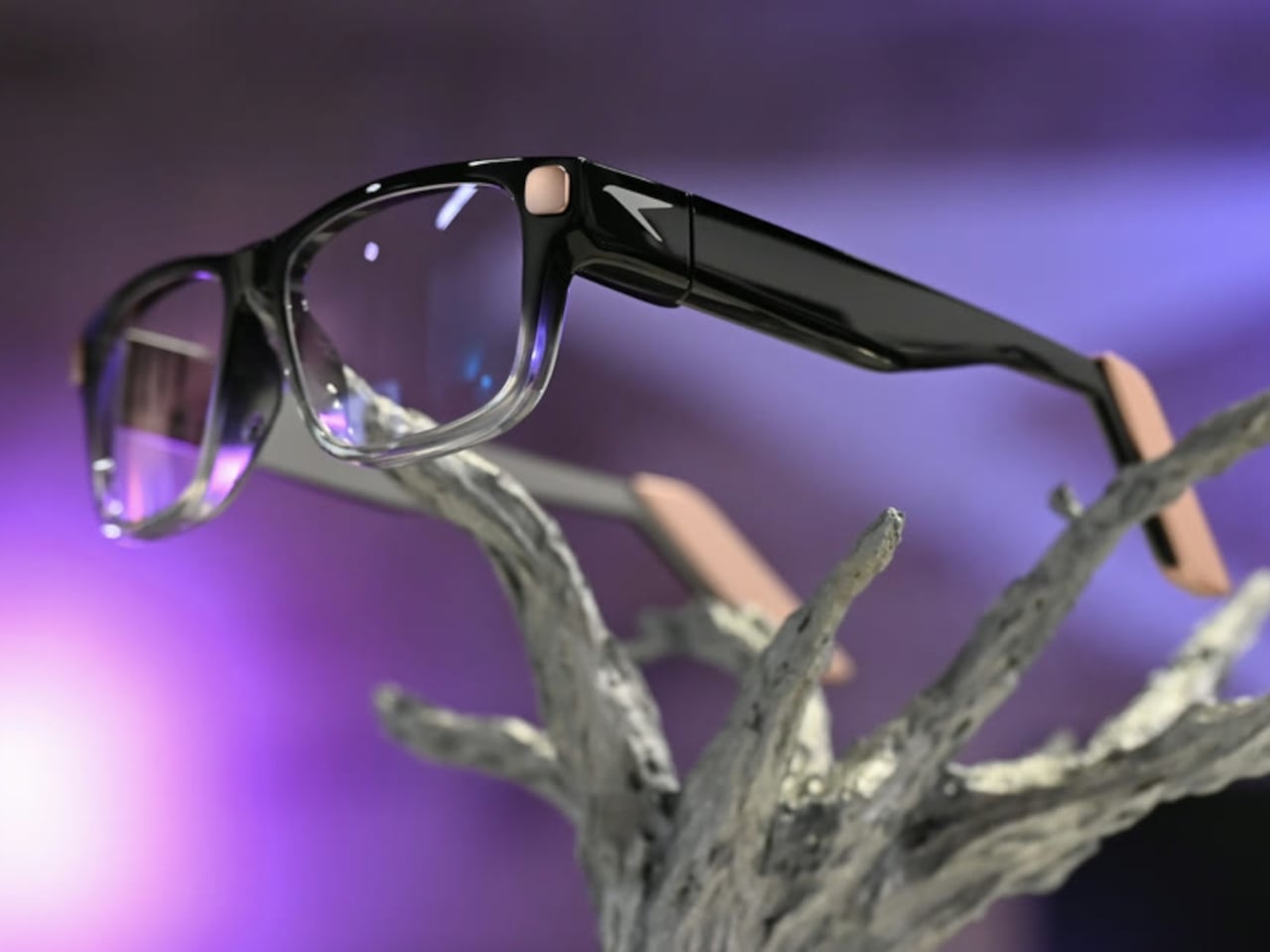
Raven Prism Glasses Squirt Linux Directly Into Your Peripheral Vision
Checking a recipe with flour on your fingers is a good reminder that a touchscreen isn't always the most convenient interface. Raven Resonance's Prism glasses take that logic and squirt Linux directly into your peripheral vision instead. A full Linux computer lives in the corner of your eye, no reaching, no tapping, just a heads-up display that stays out of your way until you need it. That's the kind of weird, sharp detail that makes you stop scrolling and open a new tab. It's early, it's a little feral, and it asks exactly the right question: why should your computer live on a desk when it could live in your field of view? If you liked the idea of a screwdriver that IDs its own bits in Arrowmax, you'll want to follow this one too.
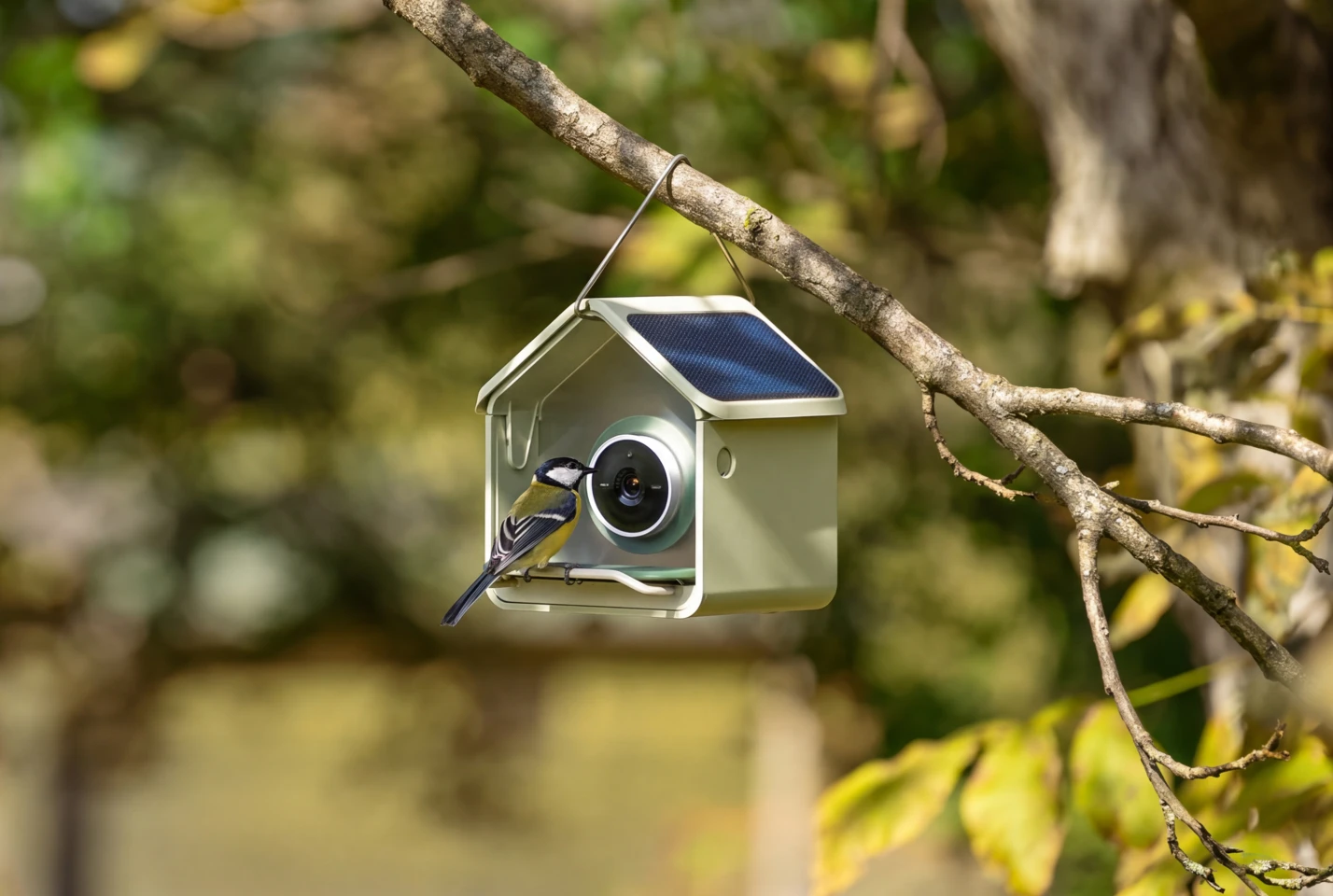
A bird feeder that IDs 11,000 species while you're stuck at work
A bird feeder that IDs 11,000 species while you're stuck at work. That's the pitch, and it's a strange little knot to untangle. Birdwatching has gone digital, with smart feeders sprouting cameras and smartphone connectivity, and some people will tell you that defeats the whole point: the quiet, the patience, the break from screens. Fair. But consider the alternative. A smart feeder might be your best chance of spotting a rare bird in your backyard while you're busy with your 9-to-5, logging the visitor your own eyes missed. That's not nothing. It's a trade, attention for automation, and whether it's worth it depends on how much you trust the machine to notice on your behalf.

Arrowmax puts a tiny camera in your screwdriver so it can ID the bit for you
There's a tiny camera living inside Arrowmax's new screwdriver, and it's not there for selfies. It stares at the bit you just clicked in, runs the image through some AI, and tells you exactly what you're holding, size, type, everything. No more squinting at worn markings or swapping five bits until one finally doesn't wobble. That trial-and-error phase is gone, which also means fewer stripped screws and less swearing at a repair that should have been simple. Arrowmax is funding the Arrowspace S1 on Kickstarter, they've done this before, so the risk feels manageable, and a standalone driver runs about $79. It's a clever, almost fussy upgrade to a tool nobody thought needed a brain. Then again, nobody thought a lamp needed to poke its nose into a wood stove either, until Oru made one.
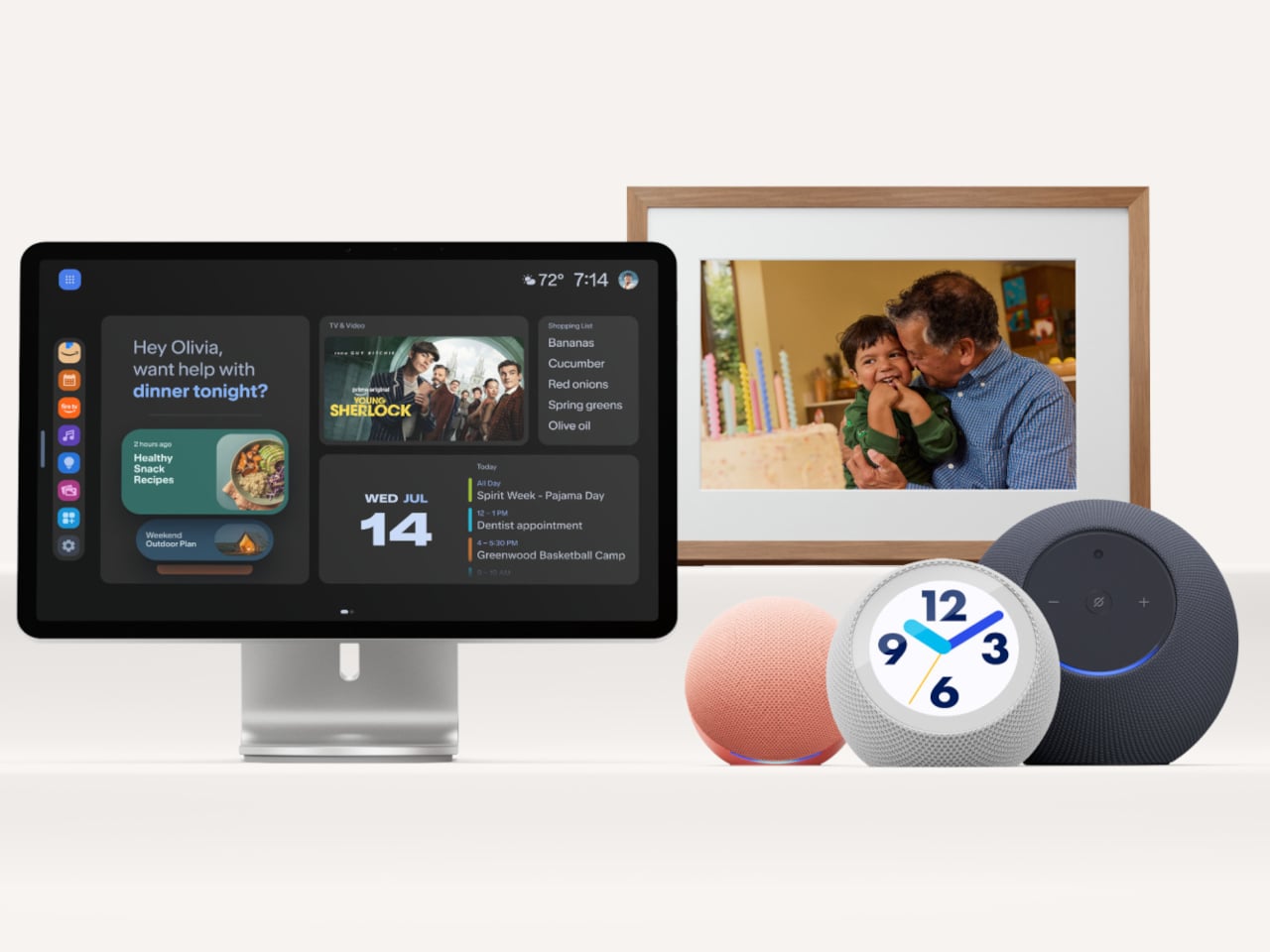
Amazon hid a camera in your speaker and stuffed Alexa in a frame
Amazon hid a camera in your speaker and stuffed Alexa in a photo frame. The new Echo Show finally admits what we all knew: smart speakers are surveillance devices with good PR. This one puts a camera right there, in the room, watching. Meanwhile, Alexa gets a frame, a digital picture frame that listens. It's a curious pair. One wants to see you, the other wants to be seen. Amazon is betting you'll trade privacy for convenience, and honestly, they're probably right. But the frame is the more interesting play here. It hides the tech in something familiar, something you'd hang on a wall anyway. If you're into gadgets that disappear into your life, we also looked at a disposable camera made from mycelium, it decomposes before your photos ever do.

Birdbuddy Nook Drops the Price of Smart Birdwatching Below $100
A hundred bucks. That's the number that finally makes a camera feeder feel less like a luxury and more like a Tuesday afternoon impulse. Birdbuddy's Nook squeezes the same video feed and AI species-spotting into a compact, affordable package, and honestly, I'm already wondering which neighborhood bird will become my new favorite coworker. The sub-$100 price matters because it removes the hesitation that comes with dropping a couple hundred on something that might just sit there. Now you can watch a finch argue with a sparrow without scaring either one off. If you're also hunting for home upgrades that don't scream office furniture, our piece on October's best desk gear that hides its cubicle roots is worth a detour. Stay spooty.

Shelly's new radar tracks ten bodies without ever turning on a lens
Ten bodies. No lens. No recording. That's the quiet magic of the Shelly Presence Gen4, a mmWave radar sensor that tracks people and pets through rooms and large spaces without ever turning on a camera. It's the kind of privacy-forward smart home gadget that makes you wonder why more companies aren't doing this. The $84.99 price is reasonable, especially since there's no subscription attached, which feels increasingly rare these days. It can sit on a shelf with its built-in stand or mount permanently, and it's available now through Shelly's store, with Amazon and Best Buy presumably following soon. The radar approach is clever: presence detection without the surveillance creep. If you're building out a privacy-conscious smart home, this one deserves a tab left open.
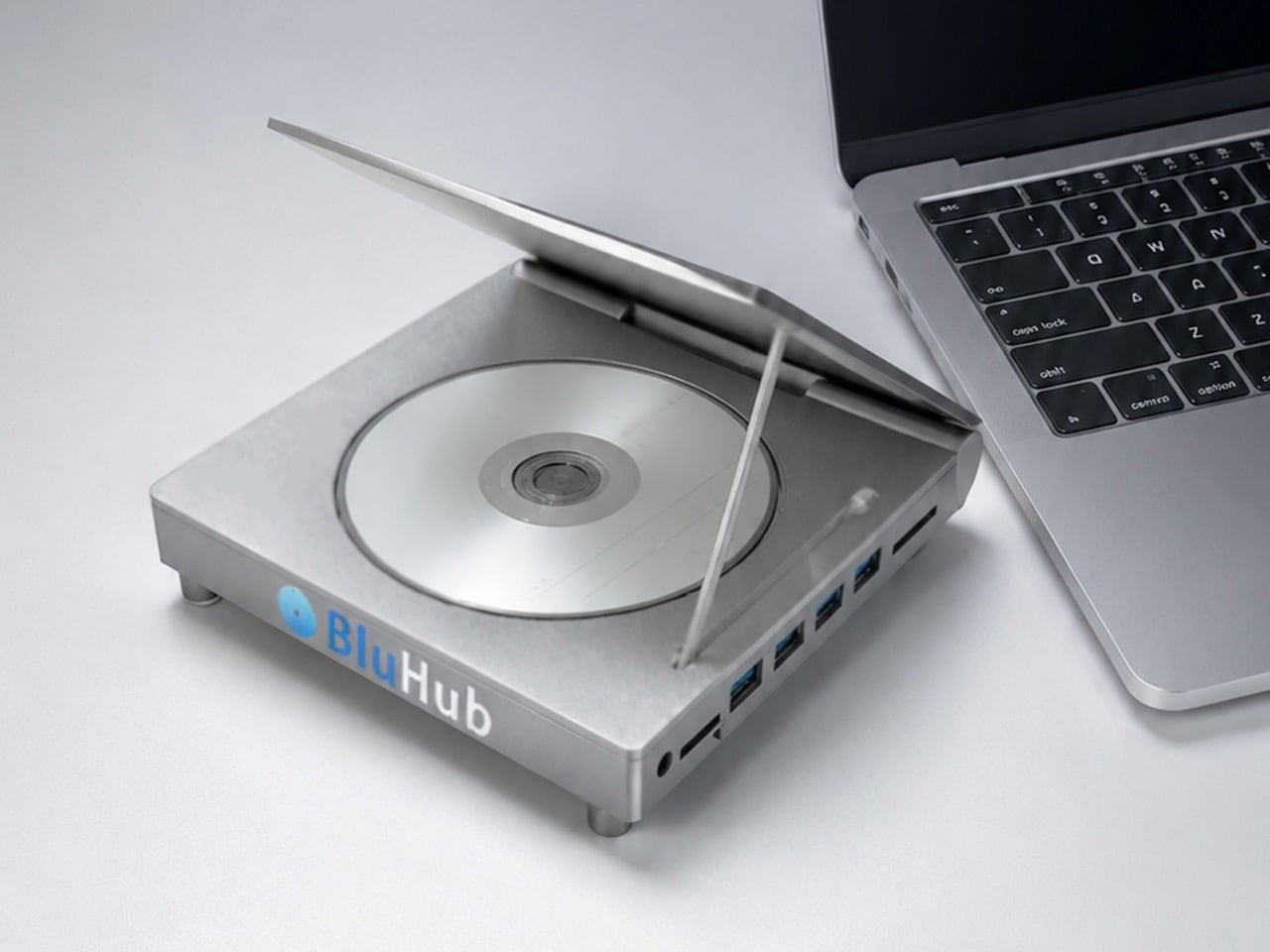
Five pocket pals that finally let your phone sit this one out
You reach for your phone to change a song, take a picture, or read a few pages. The task takes seconds; everything surrounding it is friction, unlocking, swiping, notifications, the gravitational pull of a screen that was supposed to help you disconnect. These five pocket pals finally let your phone sit this one out. They are tiny, focused, and gloriously single-purpose: a music player that does nothing else, a camera that can't text you, a gadget so small you forget it's there until you need it. Each one found the razor clam in your daily routine, that narrow moment where a phone is overkill. They don't want your attention for hours. They want three seconds and then they disappear back into your pocket.

Honor's new flagship packs a camera Arri helped shape and a battery that refuses to quit
Honor's Magic 9 Pro Max has a camera island that looks like it was machined from a 1937 Arriflex 35 turret, complete with knurled grip texture, and that alone made me sit up straighter. The battery is colossal, the mossy green finish is genuinely handsome, and Arri's influence runs deeper than aesthetics: you get LogC3 capture and 14 preset Look LUTs baked in. That's a serious tool for anyone who wants cinema color without the rig. It's also Honor's first flagship since the Arri deal went public, so the pressure was on. I'm gently skeptical about whether the software holds up, but the hardware is talking loud. For more gadget weirdness, our piece on Philips' new toothbrush tracking your brushing is a fun contrast. Stay spooty.