
Kickstarter
Spoot: Spotted Early keeps Kickstarter in one place: 20 stories so far. The section currently leads with “This Screwdriver Sniffs Out the Right Bit and Lights the Way”, “This E Ink frame feeds on lamplight and finally frees your photos from the phone”, and “The Enough Phone shrinks back to a size your thumb actually remembers”. Tiny screws have a knack for making simple repairs feel surprisingly complicated. Taking photographs has become almost effortless, but getting them off our phones is another matter. Spoot: Spotted Early New things, caught while they're still new and a little weird. Spoot finds fresh gadgets, clever inventions, crowdfunding campaigns,… The list below is every Kickstarter story on Spoot: Spotted Early, newest first.
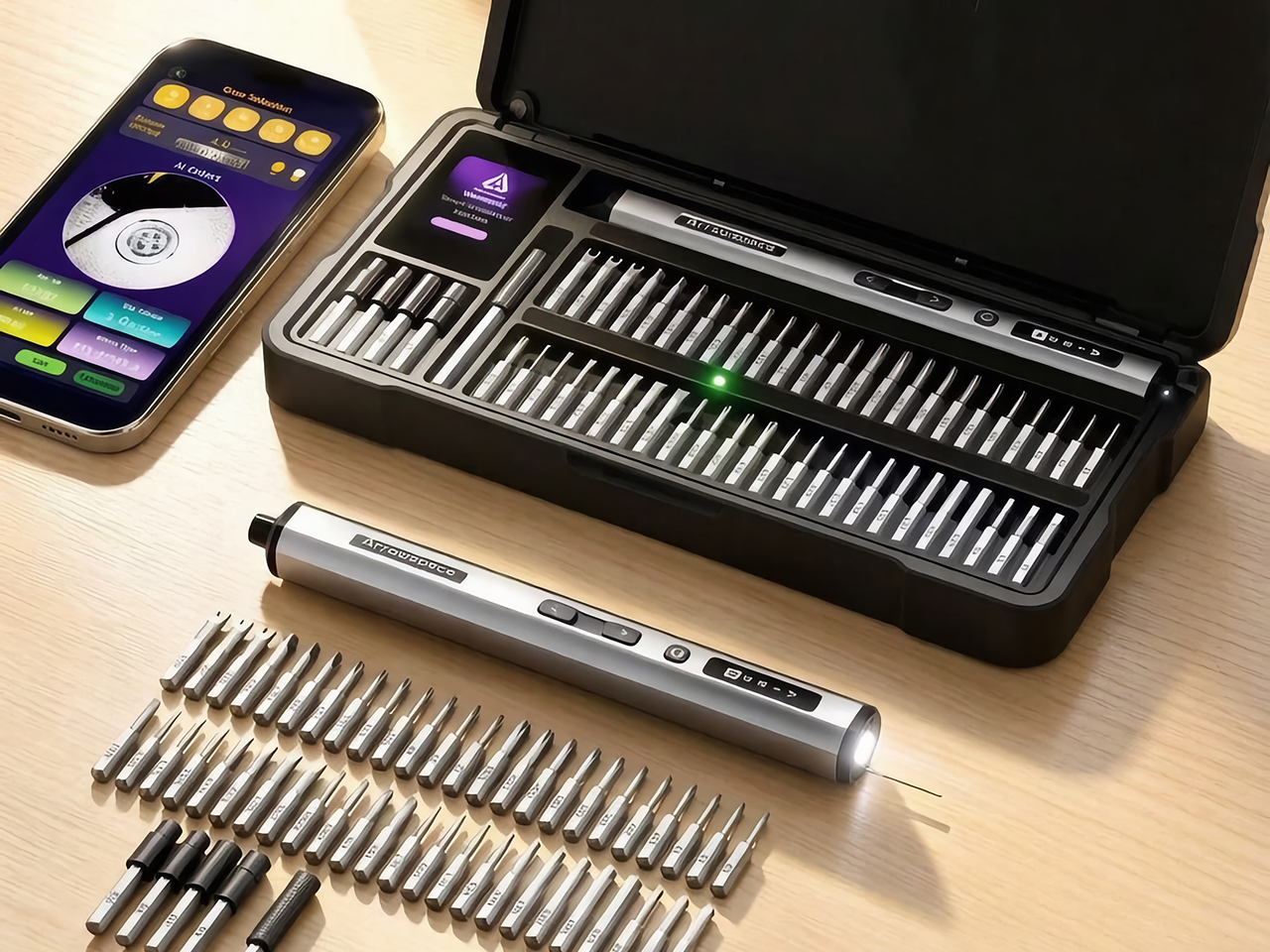
This Screwdriver Sniffs Out the Right Bit and Lights the Way
Tiny screws have a knack for making simple repairs feel surprisingly complicated. You sit down to open a laptop, only to discover that choosing the wrong bit strips the head and turns a five-minute job into a quiet crisis. Arrowspace watched that happen one too many times and built the S1 Screwdriver Kit, which scans the screw and lights up the correct bit before you touch it. It is a small, specific kind of intelligence, the sort that belongs inside a tool, not a phone app. The kit comes with a dock that charges the driver and stores the bits, and the whole thing feels like the endgame for people who own more than one tiny Phillips head.

This E Ink frame feeds on lamplight and finally frees your photos from the phone
Taking photographs has become almost effortless, but getting them off our phones is another matter. There's always a favorite vacation snapshot that deserves better than a thousand thumbnails in a cloud folder, and this E Ink frame feeds on lamplight to finally give it a home beyond the glass. It charges itself from ambient light, which means no cable snaking toward an outlet and no battery anxiety. Just a frame that sits there, gently glowing, showing one image at a time the way a real photograph used to. It's a small rebellion against the scroll, and I like it. If you're in the mood for more clever ways to unplug from the usual tech habits, our piece on the *Enough Phone* explores a similar kind of shrinking back.

The Enough Phone shrinks back to a size your thumb actually remembers
The Enough Phone has a 5.3-inch display. Your thumb remembers that size. It remembers because phones used to be this small, back before everything turned into a slab that requires two hands and a cargo pocket. Brennan Jordan and Austin Boer are making this thing, and they're halfway to their $250,000 Kickstarter goal in one day. That tells you something. People are hungry for a phone they can actually hold. The specs sound genuinely thoughtful: a 3,500mAh user-replaceable battery, 8GB of RAM, a 50-megapixel Sony sensor on the rear. It runs stock Android or the minimalist OdysseyOS, your choice. I want to know who blinks first, the backers or the shipping date. Also, if you liked Lutra's new camera that sees through itself, you'll probably enjoy watching this one squirm through the crowdfunding gauntlet.

Oru lamp pokes its nose into your wood stove so you don't have to
Oru lamp pokes its nose into your wood stove so you don't have to. That's the kind of specific, slightly feral design choice I can get behind. Winter is coming, millions of households are firing up their stoves, and every year unattended fires contribute to house fires. The Oru, fresh on Kickstarter, is a lamp that monitors the fire and offers peace of mind to the constantly worried. It's a simple premise executed on a narrow, necessary detail everyone else scrolls past. I like that it doesn't swallow the hype, it's a crowdfunding project, and it says so plainly. If you're also in the market for tools that do the thinking for you, you might enjoy our coverage of the Arrowmax S1, which picks the bit and torque so you don't have to.

Arrowmax puts a tiny camera in your screwdriver so it can ID the bit for you
There's a tiny camera living inside Arrowmax's new screwdriver, and it's not there for selfies. It stares at the bit you just clicked in, runs the image through some AI, and tells you exactly what you're holding, size, type, everything. No more squinting at worn markings or swapping five bits until one finally doesn't wobble. That trial-and-error phase is gone, which also means fewer stripped screws and less swearing at a repair that should have been simple. Arrowmax is funding the Arrowspace S1 on Kickstarter, they've done this before, so the risk feels manageable, and a standalone driver runs about $79. It's a clever, almost fussy upgrade to a tool nobody thought needed a brain. Then again, nobody thought a lamp needed to poke its nose into a wood stove either, until Oru made one.
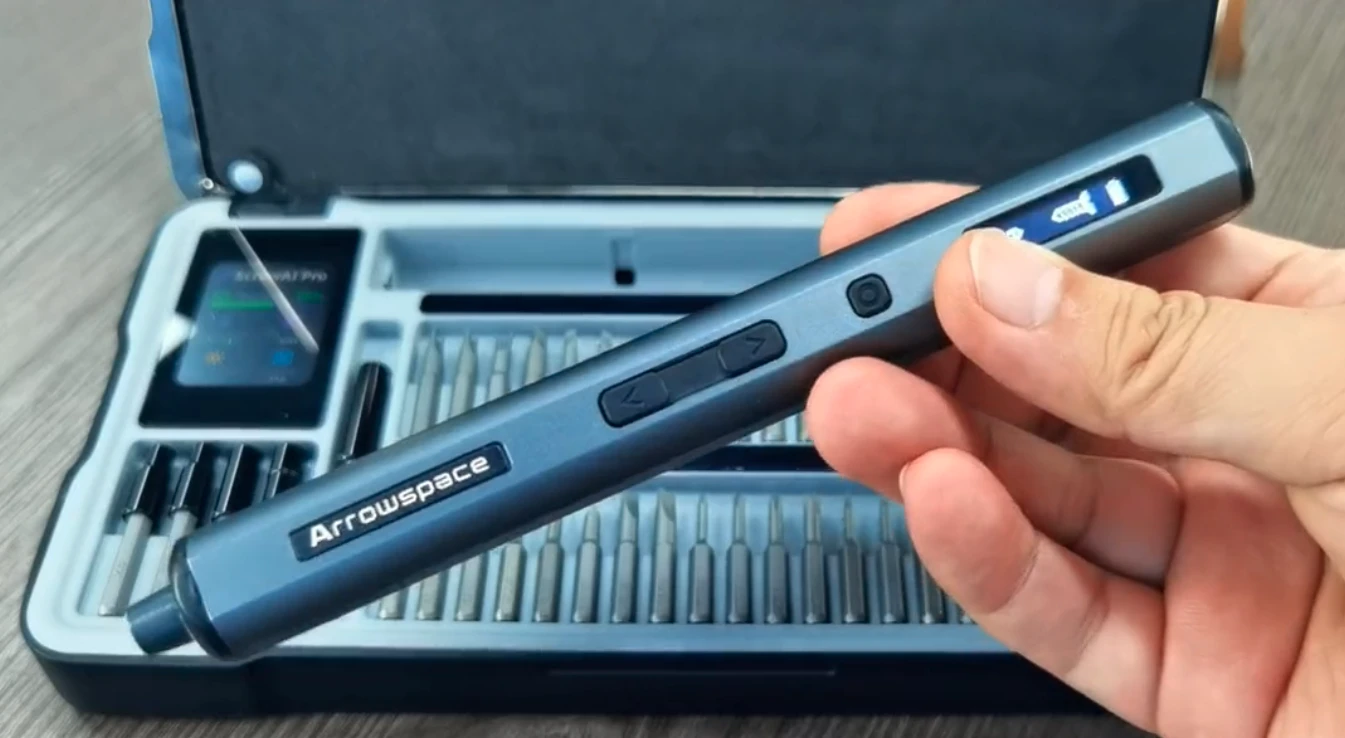
The Arrowmax S1 picks the bit and torque so you don't have to
The Arrowmax S1 electric smart driver looks at the screw, identifies the bit you need, sets the torque, and then just waits for you to hold it steady. That's basically all the dumb human has to do, drop the bit in, hold the driver to the head, and let the powered head do the work. It's a step or two removed from a fully autonomous robo-driver where you sit back and watch. The HD camera system doing the bit-spotting is the razor clam here: everyone else is selling you more torque, and Arrowmax is selling you less thinking. I genuinely love the audacity of calling this "self-driving" for screws. It's on Kickstarter, so we'll see if it ships, but the idea itself is already a win.
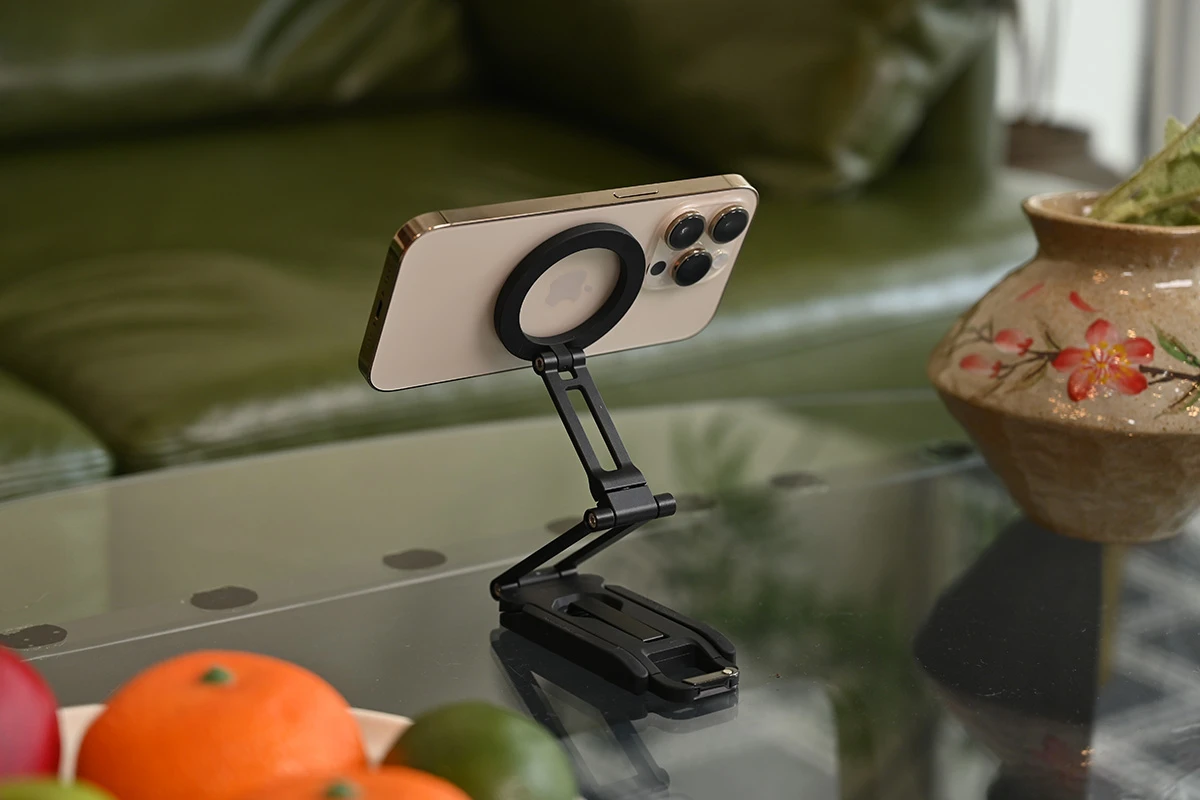
Orioner's magnetic phone stand wants to stick where your last one couldn't
Phone stands are a dime a dozen, but Orioner's magnetic phone stand wants to stick where your last one couldn't. That's a bold promise for a category where most contenders slide off the desk or lose grip the second you glance at a notification. Orioner, a hardware brand with a track record of making things that actually work, is betting on a unique design to break the cycle. The idea is simple: attach it once, and it stays put. No more fishing your phone off the floor mid-call. It's the kind of detail that makes you wonder why nobody thought of it sooner, a little like the Arrowmax S1 picking the bit and torque so you don't have to. Sometimes the best accessory is the one that just does its job quietly.
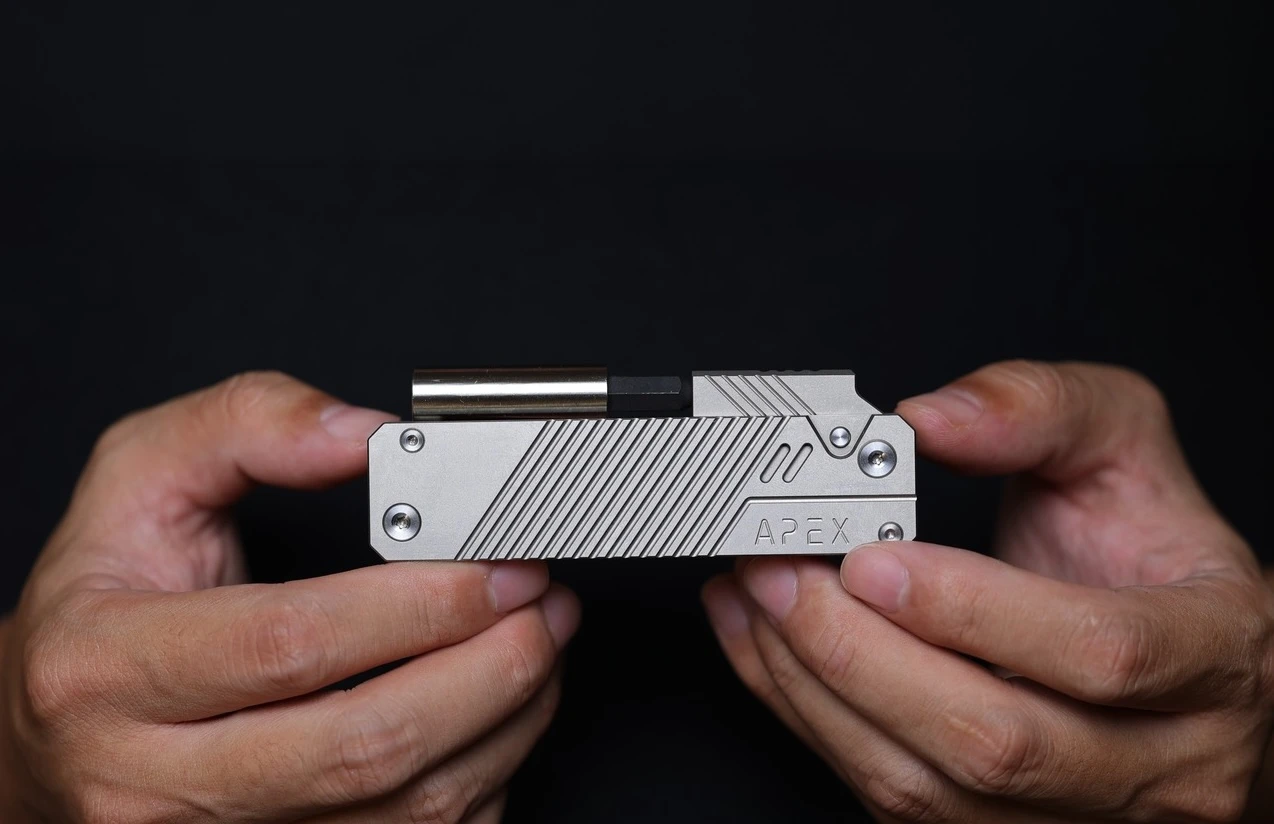
That multitool bit stash is finally getting a proper home
How many times have you pulled out the screwdrivers on your multitool only to find they're all wrong? A bit holder helps, but a multitool rarely has space for extra bits. So you're stuck with what came in it, or you're rattling around with a handful of loose bits in your pocket. The EDC experts at Ant Design have a better solution. The Apex V2 is an ultra-slim, rectangular driver with a flip-out arm that holds bits and space to store an entire magazine of them. Instead of carrying one or two along, you can bring up to 14. That's a proper home for a bit stash. It's titanium, it's lightweight, and it's on Kickstarter.

This countertop farm grows greens in 8 days and I already have questions
Eight days. That's how long this countertop farm claims it takes to go from seed to salad. For anyone who has ever nursed a basil plant on a windowsill only to watch it get leggy and sad, that number sounds almost rude. Folks in inner-city apartments don't have the luxury of outdoor garden space, so technology stepping in to liberate scrappy plants from overcrowded window boxes is a genuinely compelling pitch. The idea of a micro-farm sitting right on your kitchen counter, churning out fresh greens faster than you can forget you bought them, is the kind of gadget that makes you immediately start rearranging your counter space. But I have questions. The kind that burrow into the spec sheet. Like, what does it actually cost, and when can anyone really get one?

This ePaper frame feeds on sunlight, not hype
A solar-powered ePaper frame that doesn't need to be plugged in? That's the kind of detail that makes you stop scrolling. This new gadget claims to be the first ePaper display capable of showing art and photos using nothing but sunlight. No cord, no battery anxiety, just the sun doing the work. That's clever. It means you can hang it wherever the light hits, not wherever the outlet is. The frame feeds on sunlight, not hype, which is refreshing in a category usually drowning in glossy promises. It's a Kickstarter project, so we'll be watching to see if it actually ships. If you're the type who circles back for the honest take, you might also enjoy our look at whether the MIRA X laser engraver cuts through its own crowdfunding hype.

150W of laser, one Kickstarter: does MIRA X cut through the hype?
There's a 150-watt laser hiding inside a box on Kickstarter, and it's asking makers to trust it with their materials. MIRA X pairs high-speed engraving with AI-powered automation, which sounds like the kind of promise that usually dissolves into render dust. But here's the thing: it's aimed at small production shops, not just hobbyists with a spare garage. That changes the conversation. The real question isn't whether it can cut plywood. It's whether the AI actually saves you time or just adds another settings menu to fiddle with. And the shipping date. Always the shipping date. If you're circling back to see what else is new this week, the HomePod Mini 2 finally exists and preorders are open. Stay spooty.

The Beach Wagon Finally Gets a Motor, Remote, and a Glow-Up
I have a theory that the beach wagon was invented by someone who never actually took one to the beach. On pavement it's a dream, but the second you hit sand, especially soft, hot, soul-crushing sand, you're suddenly dragging a collapsing metal cart while your cooler tries to escape. Someone finally fixed that. This electric beach wagon comes with a motor, a remote control, and underglow, which is the kind of unnecessary-but-wonderful detail that makes me suspect the designers actually used one first. The smart assist means it helps when you're struggling and stays out of the way when you're not. It's a glow-up for a thing we all just accepted was broken. If you like seeing forgotten categories get weird upgrades, you'll probably also enjoy our piece on the BirdVue Beams Feeder.
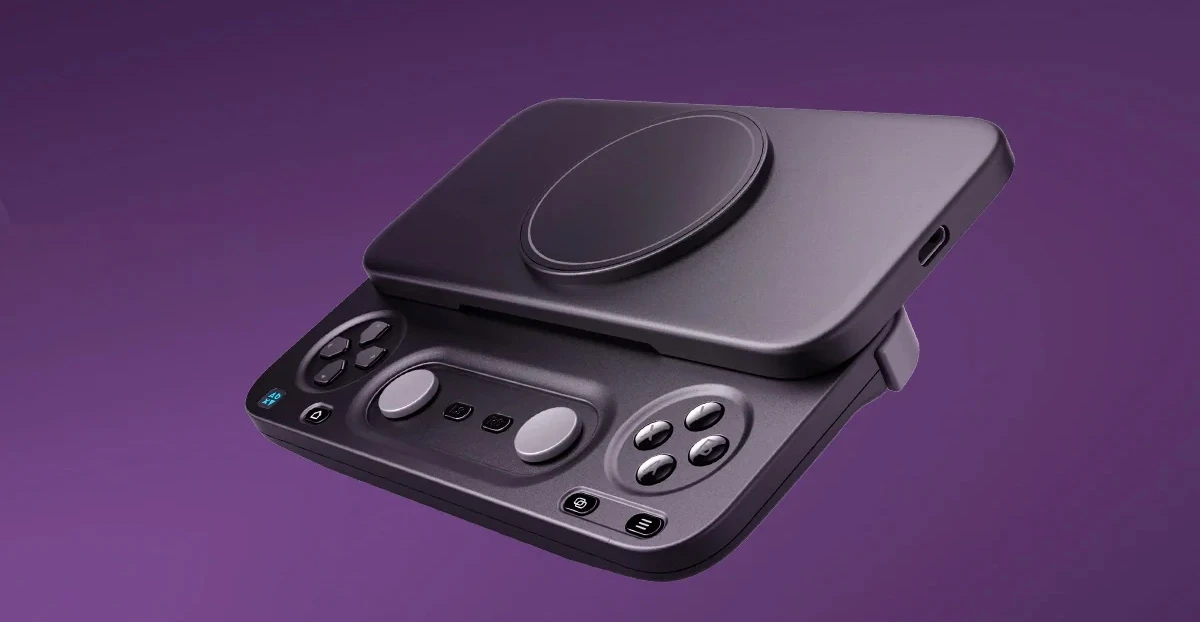
Pocket-sized buttons, real joysticks, and a phone that finally plays like a handheld
There's a particular dread that comes with trying to play a real game on a phone: your thumbs cramp over the screen, the touch controls drift, and you lose the boss fight because your finger slipped. Abxylute's new M5 and M6 controllers are the counterargument. They pack proper-sized buttons and real joysticks into a form that attaches securely to your phone and still slips into a pocket. That's the whole pitch, and it's a good one. The M6 is the one I'm circling back to, because a motion controller that fits in your jeans is the kind of weird, specific promise that either works brilliantly or becomes a drawer ornament. It's a Kickstarter, so we'll see if they ship. But for anyone who's ever squinted at a touchscreen d-pad, this is worth tabbing. Stay spooty.
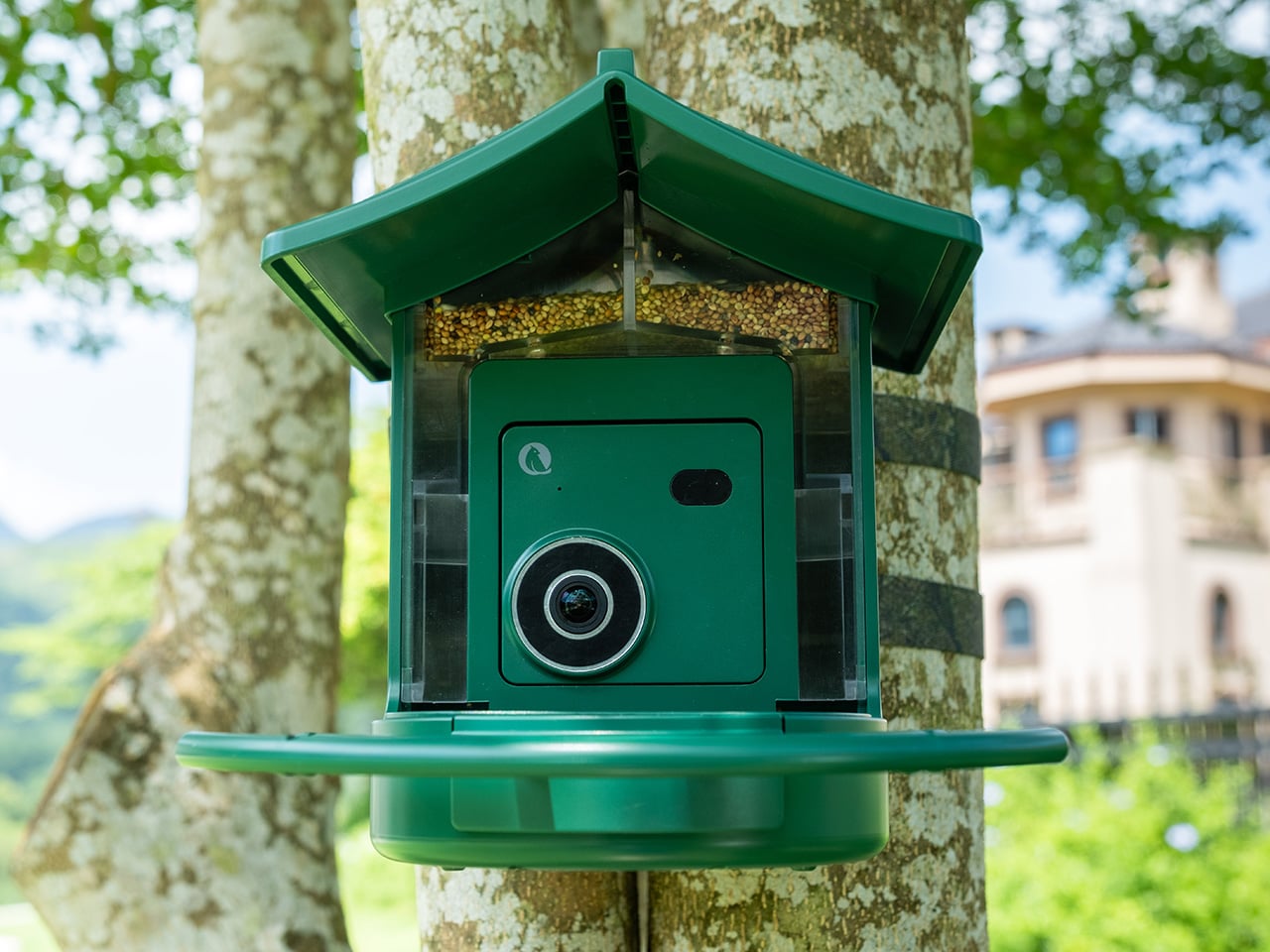
BirdVue Beams Feeder Feeds Straight to Your Phone, No Wi-Fi Required
The BirdVue Beams feeder doesn't care where you live. It just needs a 4G signal, and suddenly your phone is a window into whatever branch, hedge, or remote corner of the garden the birds actually picked. That's the whole trick: no Wi-Fi, no hub, no wrestling with your router settings. You slap a SIM in, hang it up, and the feeder starts sending photos straight to your pocket. That's genuinely the razor clam here. Most smart feeders assume your backyard is a tech ecosystem. BirdVue assumes you just want to see the birds. It's a concept that feels obvious once you hear it, which is the best kind of concept. And it pairs nicely with the Await camera's 24-shot discipline: both gadgets make you look closer at what's already around you.
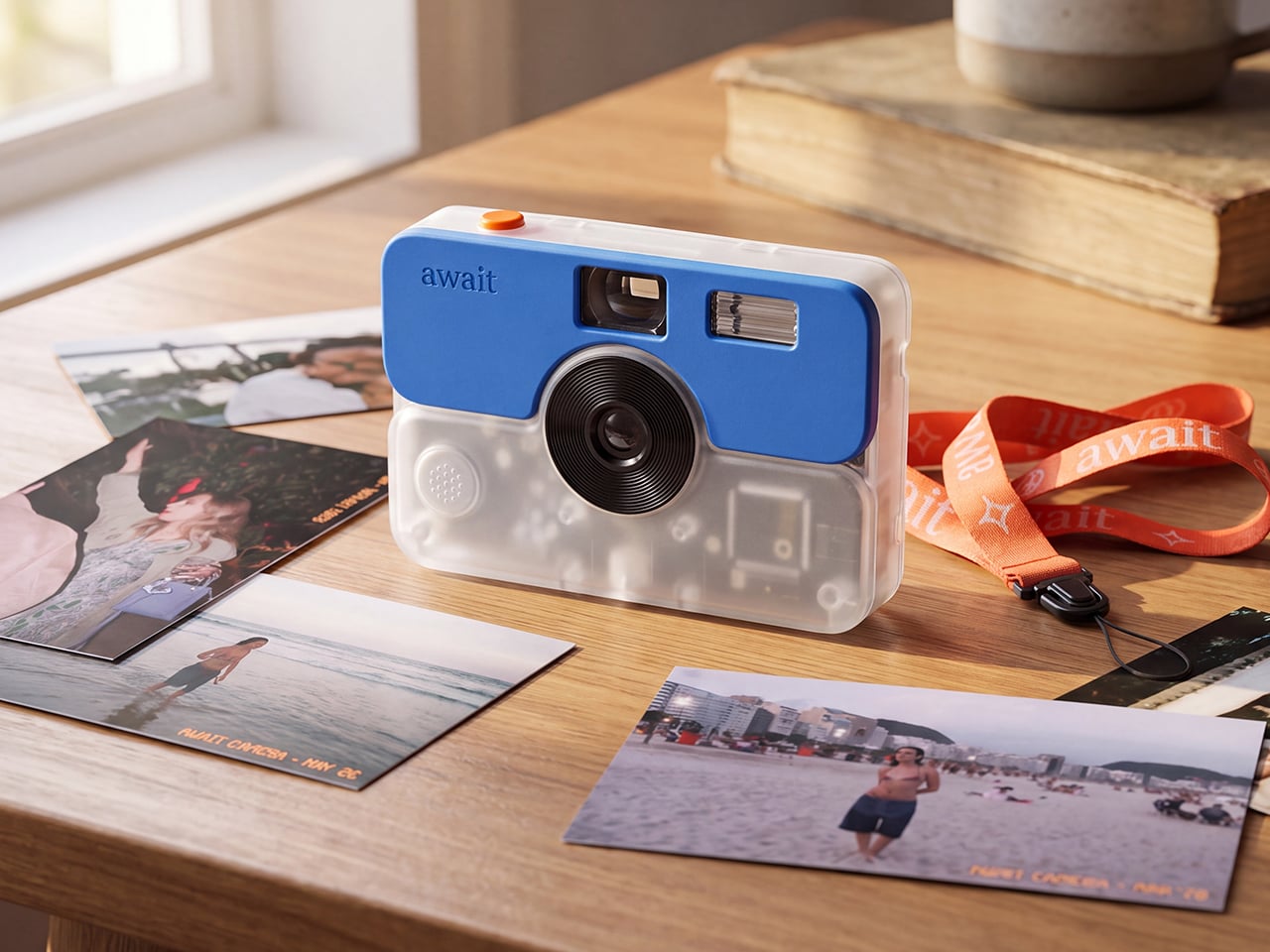
24 shots, zero duplicates: $146 Await makes every frame feel like film
Twenty-four shots. Zero duplicates. No infinite scroll of the same pasta dish, captured from slightly different angles and never opened again. The $146 Await camera drags us back to the disposable era, where every frame costs something and hesitation is the enemy of a good photo. It is a beautiful, deliberate constraint. The kind that forces you to feel the shutter press instead of just firing off a burst. We are all so busy documenting that we forget to look. Await makes you look. It is not a gimmick; it is a dare. And if you are tired of curating a camera roll that no one will ever scroll through, this is the gentle, expensive nudge you needed. Stay spooty.

This $175 smart paddle drags pickleball off the court and onto your couch
The $175 smart paddle doesn't care about your living room ceiling. It's a Wii-style controller disguised as a paddle, and it wants to turn your TV into a pickleball court, which means the fastest-growing sport in America has finally found its way to your couch. That's the pitch, and honestly, it's a good one: no net, no wind, no missing the kitchen line because you're barefoot and holding a snack. It's clever, and it knows it. But Spoot's gently skeptical here, because "smart paddle" can mean a lot of things, and "turns your TV into a court" usually means a lot of lag and a broken remote. The real question isn't whether it's fun. It's whether it's worth $175 when you could just buy a real paddle and a friend.
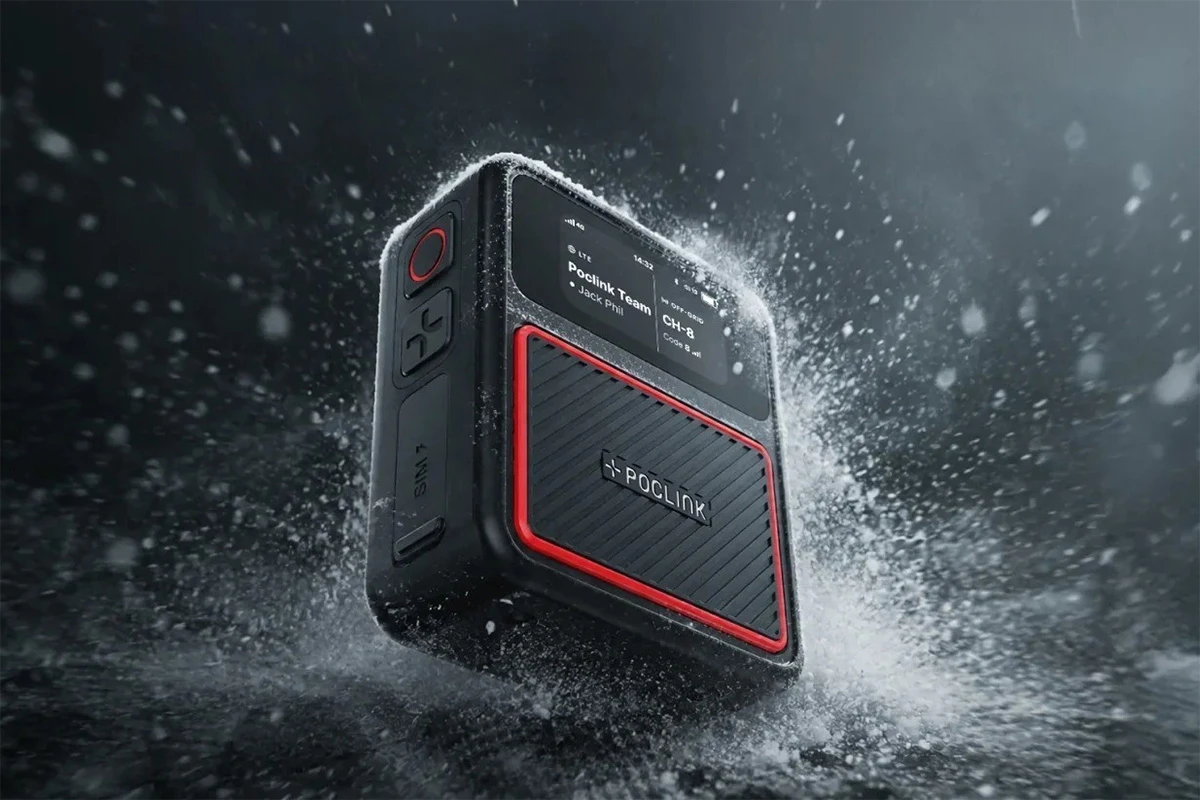
This walkie-talkie uses LTE so you can yell at your friends from anywhere
The walkie-talkie is not dead. Long live the walkie-talkie that uses LTE to scream at your friends from across the state. This upcoming hybrid radio doesn't care about line-of-sight or that ridge you're about to hike over. It just needs a cellular signal, and suddenly your group chat is voice-activated and clipped to your backpack strap. That's the razor clam here: nearly unlimited range, which changes the game for anyone who has ever watched a buddy disappear around a bend and wondered if they fell into a ravine or just found a better trail. It's on Kickstarter, so the usual caveats apply, will it ship, will it work as promised, but the idea is genuinely good. If you like digging into clever outdoor tools, you might also enjoy how the Blackjaw rethinks the multitool entirely.
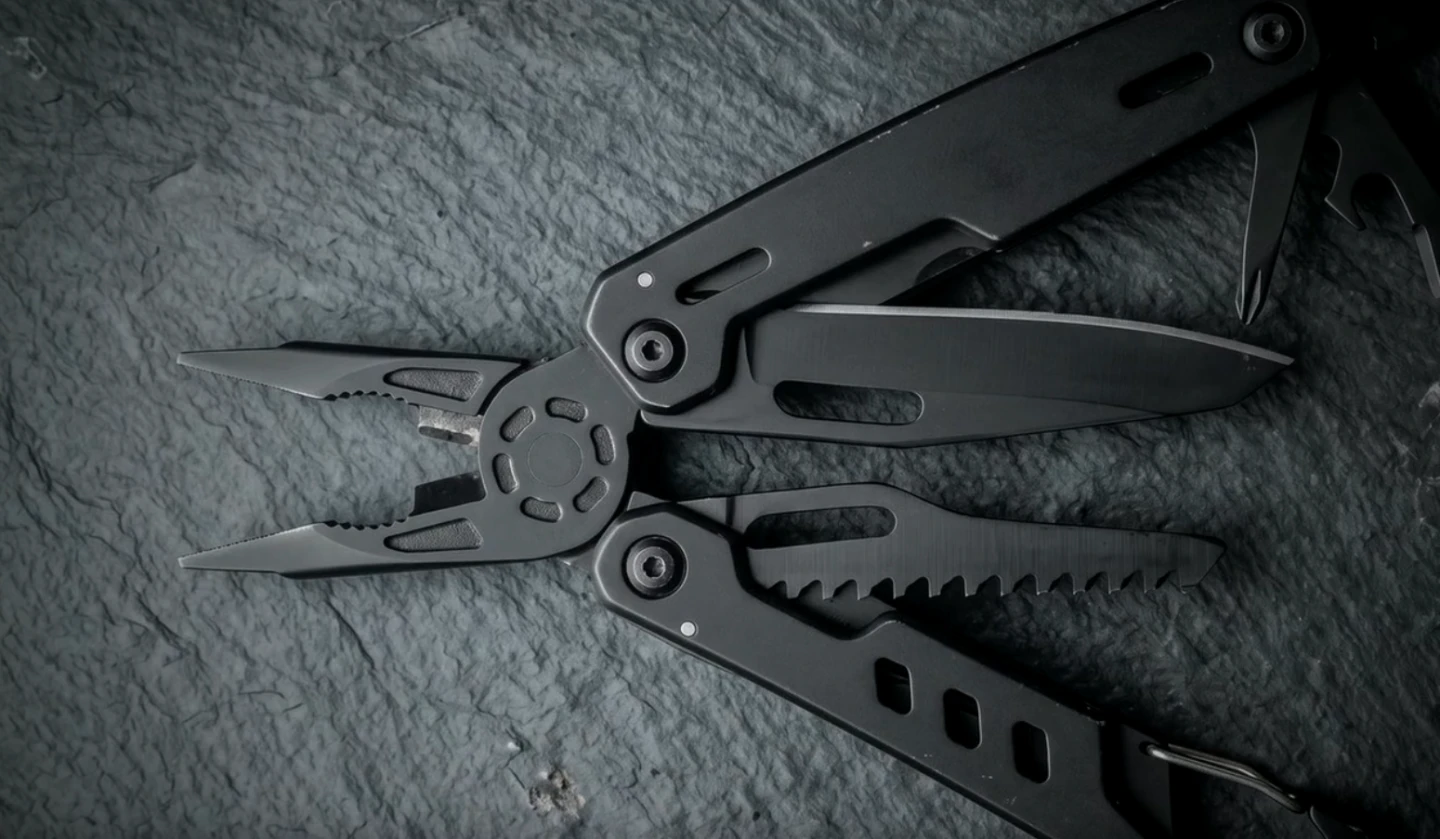
The Blackjaw is a multitool that skips the pliers and trusts its own kit
The Blackjaw skips the pliers. That's the first thing you notice, and honestly, it's the best thing about it. Tsuchioto Works has taken the classic Leatherman formula, peeled out the jaw, and trusted the rest of the kit to carry the load. It's a curated bundle of implements for daily life, DIY, and the outdoors, all packed into a tight body. We like the nerve of that. It's a gamble to drop the one tool everyone expects, but it feels like a dare worth taking. The spec sheet reads lean, and that's the point. It doesn't want to be a swiss army knife on stilts. It wants to be the thing you actually use. We're gently skeptical, sure, but we're also circling back for another look.

Engram feeds your samples to the glitch gods and records what crawls back
There's a sampler that feeds your audio to the glitch gods and records what crawls back. Thoughtful Things just launched the Kickstarter for Engram, a groovebox that runs a "tiny AI" locally, no internet required, to mangle incoming sounds and hallucinate entirely new ones. That's the part that gets me: this isn't a push-button, get-song box. It's built for the experimental, the uncanny, the stuff that sounds wrong in the best way. The model is custom-trained and designed in-house, which means it's a weird little beast with a specific taste. I want to hear what it does to a drum loop. If you're into clever hardware that refuses to behave, this one's worth circling back for.
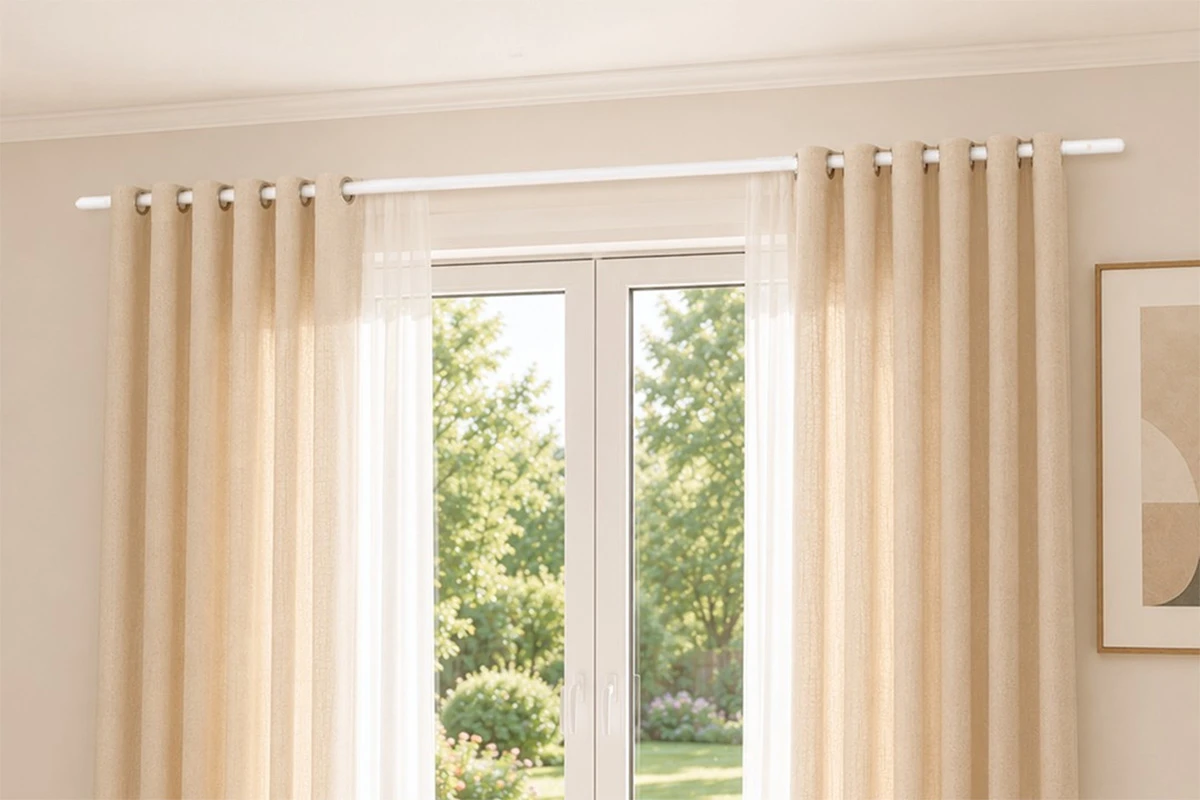
The sun does your drapes' dirty work now, no motor required
The sun does your drapes' dirty work now, no motor required. We've seen smart curtains before, sure, but they usually want a chunky motor, a hub, and a stern talking-to about Wi-Fi passwords. This new one skips the machinery and just lets the light do the pulling. That's the razor clam in the spec sheet, the detail that makes you lean in. It's clever, sure, but we're gently skeptical until we see it ship. The campaign's live now, and it's worth a scroll if you've ever wanted blinds that move without you lifting a finger or lifting a screwdriver. It's not quite the cinematic wall-buster Epson's pushing with its new lasers, but for the window-bound among us, this feels like the quiet win. Stay spooty.