
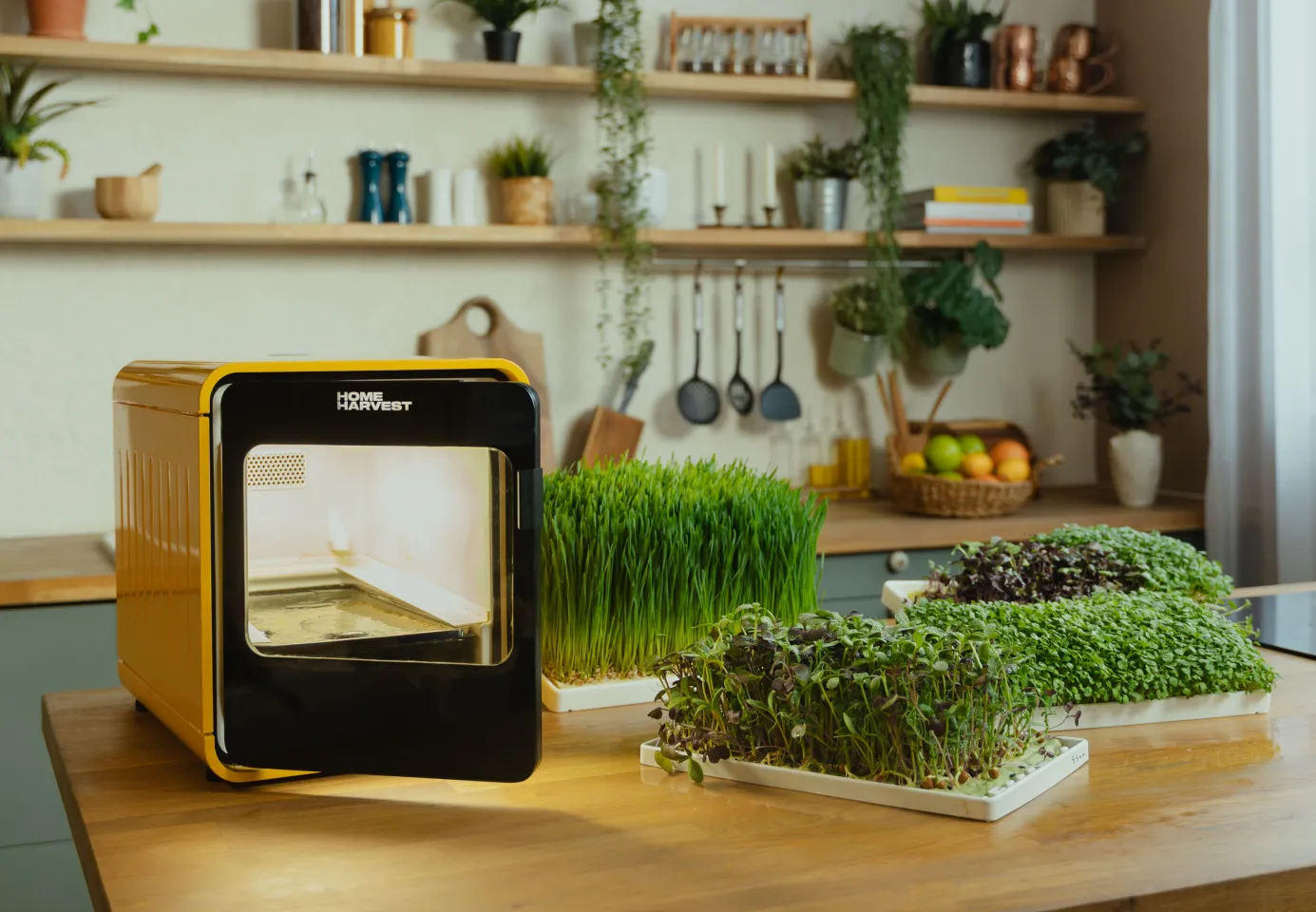
The countertop farm that grows greens in eight days sounds like a magic trick, and I want to believe it. I also want to know exactly how much electricity it eats, whether those greens taste like anything, and what happens when the pump clogs on a Tuesday. This is the familiar Spoot dance: the product arrives promising liberation from overcrowded window boxes, and I'm already circling the spec sheet for the razor clam. The idea is genuinely good, inner-city apartments rarely offer a patch of soil, and technology stepping in to put a micro-farm in your kitchen is the kind of problem-solving that gets me to open a tab before breakfast. But a countertop farm is also a piece of consumer tech, which means it lives in a category where we've seen plenty of clever hinges and weird materials that never quite became dinner. It reminds me of that That multitool bit stash is finally getting a proper home story, a tidy solution to a real annoyance, but one that only works if the bits actually fit the screws you own. Same principle here: the greens grow fast, but only if the thing works as advertised, consistently, for longer than a Kickstarter campaign lasts.
The eight-day claim is the hook, and it's a good one. Most soil-based gardening takes weeks, sometimes months, before you can harvest anything you'd actually put in a salad. Compressing that into just over a week changes the calculus for someone who currently buys bagged lettuce that wilts before they finish the bag. But I need to know what "grows greens" means in this context, are we talking microgreens, which are essentially sprouts with attitude, or full heads of something I can sauté? The material says "greens" and that's all it says, which is the kind of footnote I'd normally chase down with a second tab. It also says the campaign lives on Kickstarter, which is the part of the story I cannot ignore. Crowdfunding is a beautiful, feral place where brilliant ideas get born and where perfectly reasonable products sometimes disappear into the void of unfulfilled backer surveys. That This ePaper frame feeds on sunlight, not hype article caught my attention for the same reason, it promised something that felt inevitable, but the real test was whether it would ship before the frame's novelty wore off. Same energy here.
So here's my plain takeaway, stated directly: do not pre-order this countertop farm with your grocery budget. Wait for independent reviews that measure actual yield, power draw, and taste. The concept deserves enthusiasm, technology can absolutely liberate scrappy plants from sad window boxes, but the execution needs to prove it can survive a Tuesday. I want to see the pump, the light spectrum, the water reservoir, and the cleaning protocol. I want to know what happens when you go on vacation for a week and the greens keep growing. The The Tinde's porch roof steals the show before you step inside article reminded me that the most compelling detail is often the one the press release hides behind a render. For this micro-farm, that detail is probably the replacement cost of the seed pods, the wattage of the grow light, or the simple question of whether eight-day greens taste like the ones that took a month. I'm watching this one closely, but I'm not biting until I see the razor clam.