
engineering
engineering at Spoot: Spotted Early is a file of 5 stories. The newest of them: “This 13-foot mecha wants the jobs too dangerous for you”, “This house split in half to make room for a rooftop garden”, and “A leaf that cracks seawater into hydrogen and eats poison for lunch”. A Beijing company just dropped a 13-foot hydraulic-electric humanoid that stands as tall as a monster truck and can still move with precision finer than a hair's width. The upper half of this house just peeled off and floated away. Spoot: Spotted Early New things, caught while they're still new and a little weird. Spoot finds fresh gadgets, clever inventions, crowdfunding campaigns,… The list below is every engineering story on Spoot: Spotted Early, newest first.

This 13-foot mecha wants the jobs too dangerous for you
A Beijing company just dropped a 13-foot hydraulic-electric humanoid that stands as tall as a monster truck and can still move with precision finer than a hair's width. It wants the jobs too dangerous for you, the heavy lifting, the toxic environments, the tasks that grind down human bodies. This is not a render. It is not a concept. It is a machine built for work, and it makes me wonder how long before we stop calling these things "robots" and start calling them coworkers. The engineering is genuinely wild: hydraulic power for strength, electric control for finesse, and a scale that forces you to look up.

This house split in half to make room for a rooftop garden
The upper half of this house just peeled off and floated away. Well, not floated, it slid sideways, leaving a gap wide enough for a rooftop garden, a swimming pool, and an outdoor yoga deck. Indonesian firm K-Thengono Design Studio sliced the 712-sq-m Split Mass Residence in South Tangerang right through its middle volume, connecting a home cinema below to open sky above. Clever. The planted green roof and landscaped gardens aren't decoration tacked on afterward, they're the reason the house broke apart in the first place. And the open interior, drenched in daylight and cross-ventilation, makes you wonder why more homes don't just split themselves in half when they need breathing room. It reminds me of that leaf that cracks seawater into hydrogen, weird, specific solutions hiding in plain sight.
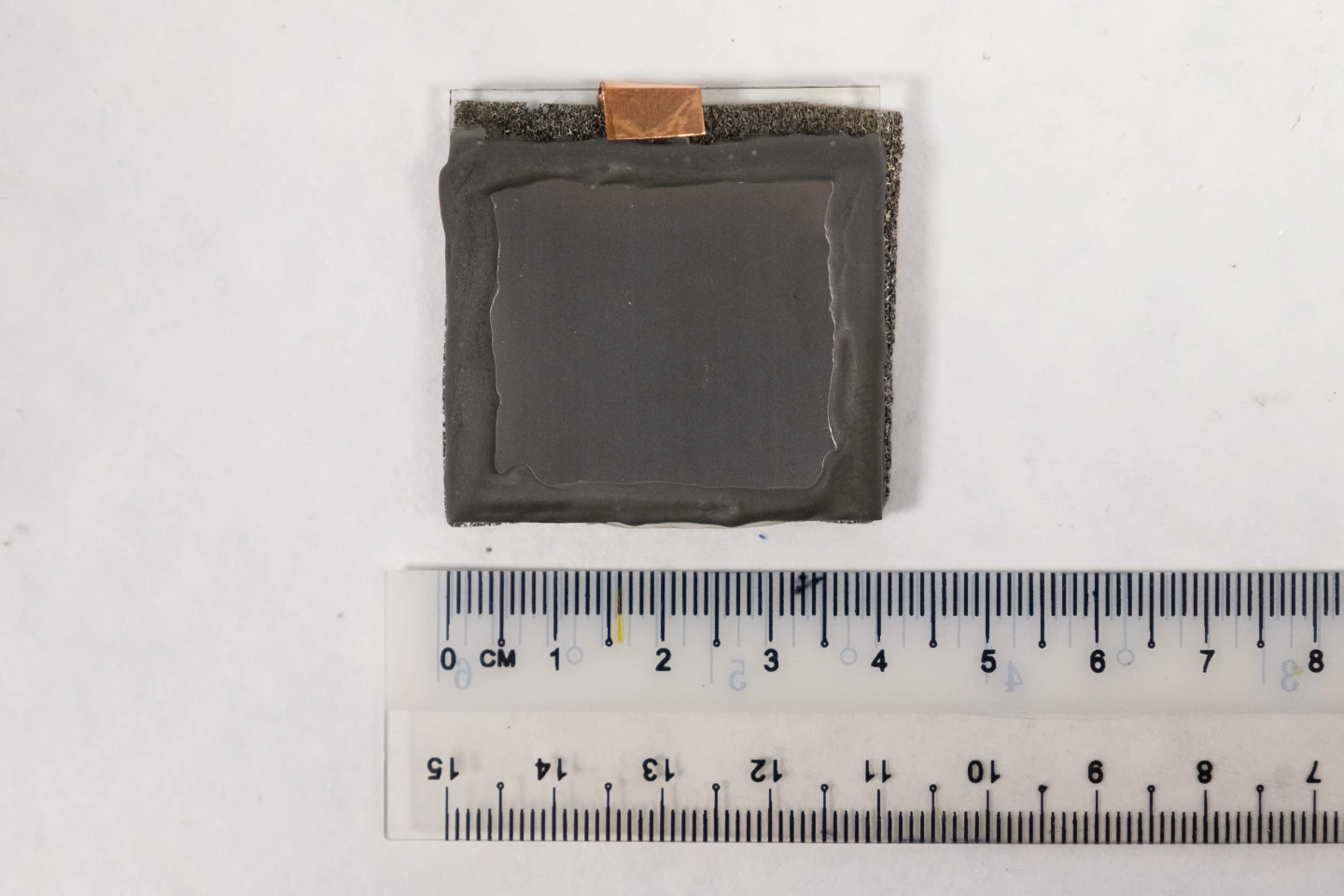
A leaf that cracks seawater into hydrogen and eats poison for lunch
A single leaf, flattened into a panel, is now cracking seawater into hydrogen and eating hydrazine for lunch. Researchers at Nanyang Technological University in Singapore built a solar-powered device that mimics how leaves harness sunlight to drive chemical reactions. The result is hydrogen fuel pulled from the ocean while simultaneously breaking down a highly toxic industrial pollutant. That is a two-for-one deal so elegant it feels like cheating. Electrolysis is usually energy-intensive and wastewater treatment is a separate, expensive headache. This thing handles both at once. It is early, and the leap from lab bench to deployment is long, but the logic is feral and clean. If you are still processing how weird it is that your next screen might be sewn into your sleeve, this leaf might be the harder pivot.
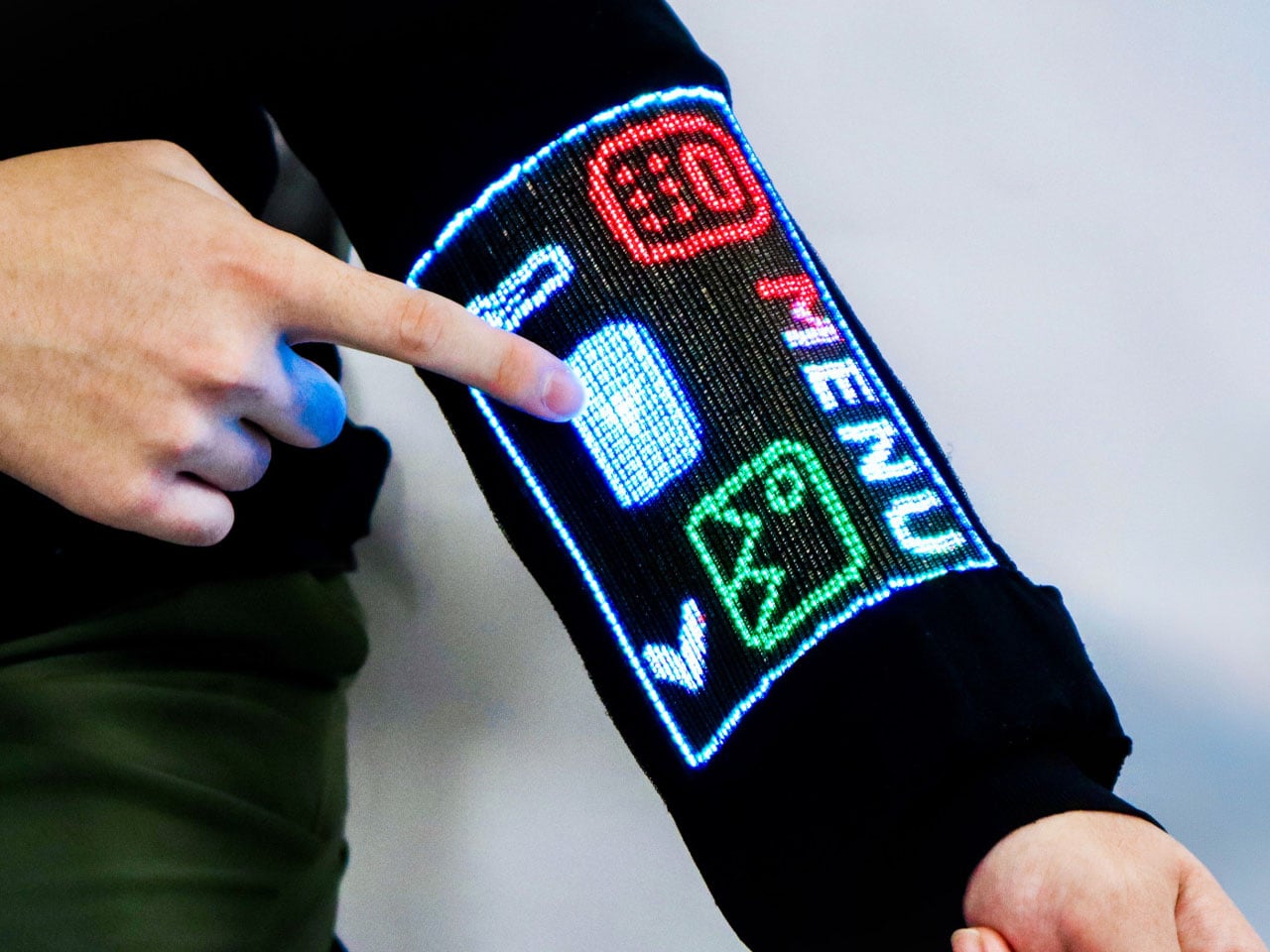
Your next screen is sewn into your sleeve and that's genuinely weird
Your next touchscreen is sewn into your sleeve, and that is genuinely weird. We already wear heaters and Bluetooth speakers, but tech-infused clothing that goes further still looks ugly and nerd. The promise is a fabric that responds to touch, woven directly into the cuff or the arm, turning your own jacket into an interface. It is a wild idea, and it raises the obvious question: will anyone actually wear it? The answer depends on whether the designers can make it disappear into the garment instead of screaming "I am a gadget." If you enjoyed the minimalist logic of CMF's milk-carton speakers, you will appreciate the same challenge here, making the functional feel inevitable, not intrusive.
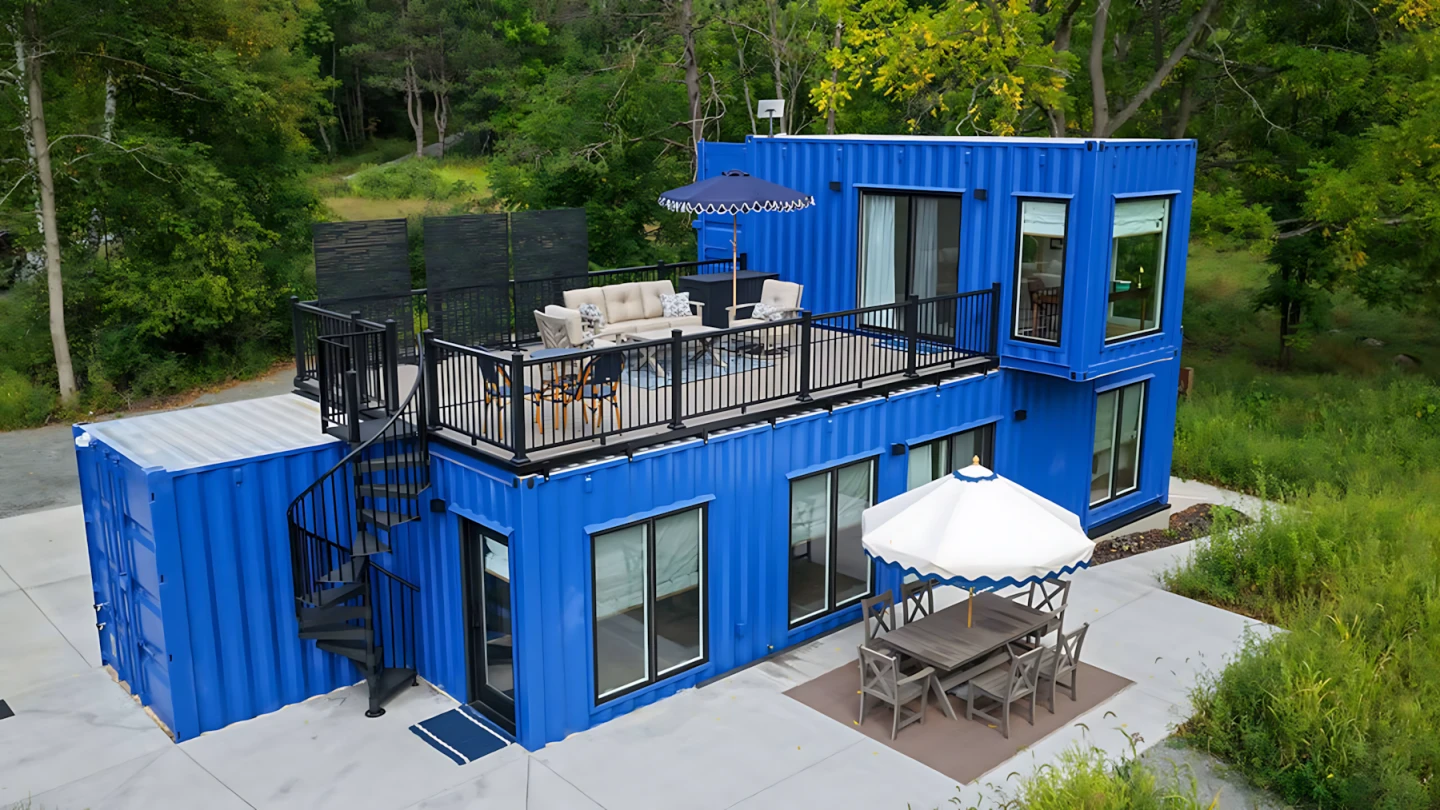
Three metal boxes, one rooftop sauna, zero compromises
There's a sauna on the roof, which is already enough to make us abandon whatever else we were doing. Three shipping containers walked into a plot of land and came out the other side as a genuinely spacious home, complete with a rooftop terrace and that glorious little heat box. We've seen containers do everything from tiny houses to sports stadiums, but this one skips the usual metal-box austerity. It's comfortable. It's clever. It makes you wonder why more builders don't stack their compromises into a pile and set them on fire. If you're hungry for more proof that small spaces can dodge the usual trade-offs, the eVista XL makes a strong case that the only real compromise is the one you accept. Stay spooty.