
smart glasses
6 stories filed under smart glasses on Spoot: Spotted Early. The newest of them: “Spoot tried Samsung, Warby Parker and Gentle Monster glasses so you don't have to”, “Raven Prism Glasses Squirt Linux Directly Into Your Peripheral Vision”, and “Even Realities snuck the smart glasses into the tortoiseshell”. Samsung, Warby Parker, and Gentle Monster all just handed me a pair of smart glasses to try, and I can feel the collective wince from here. Checking a recipe with flour on your fingers is a good reminder that a touchscreen isn't always the most convenient interface. Spoot: Spotted Early New things, caught while they're still new and a little weird. Spoot finds fresh gadgets, clever inventions, crowdfunding campaigns,… The list below is every smart glasses story on Spoot: Spotted Early, newest first.

Spoot tried Samsung, Warby Parker and Gentle Monster glasses so you don't have to
Samsung, Warby Parker, and Gentle Monster all just handed me a pair of smart glasses to try, and I can feel the collective wince from here. Meta has owned this weird little resurgence, but it also earned those glasses the "pervert glasses" nickname, which is a hell of a reputation to work around. So it's a strange moment for three new contenders to show up, all running on Google's Android XR platform with Gemini baked in. Some frames lean retro chic. Others channel full *Matrix* Y2K energy. The AI demos are apparently better than expected, which is the kind of narrow detail that makes me want to poke around the spec sheet for the razor clam.
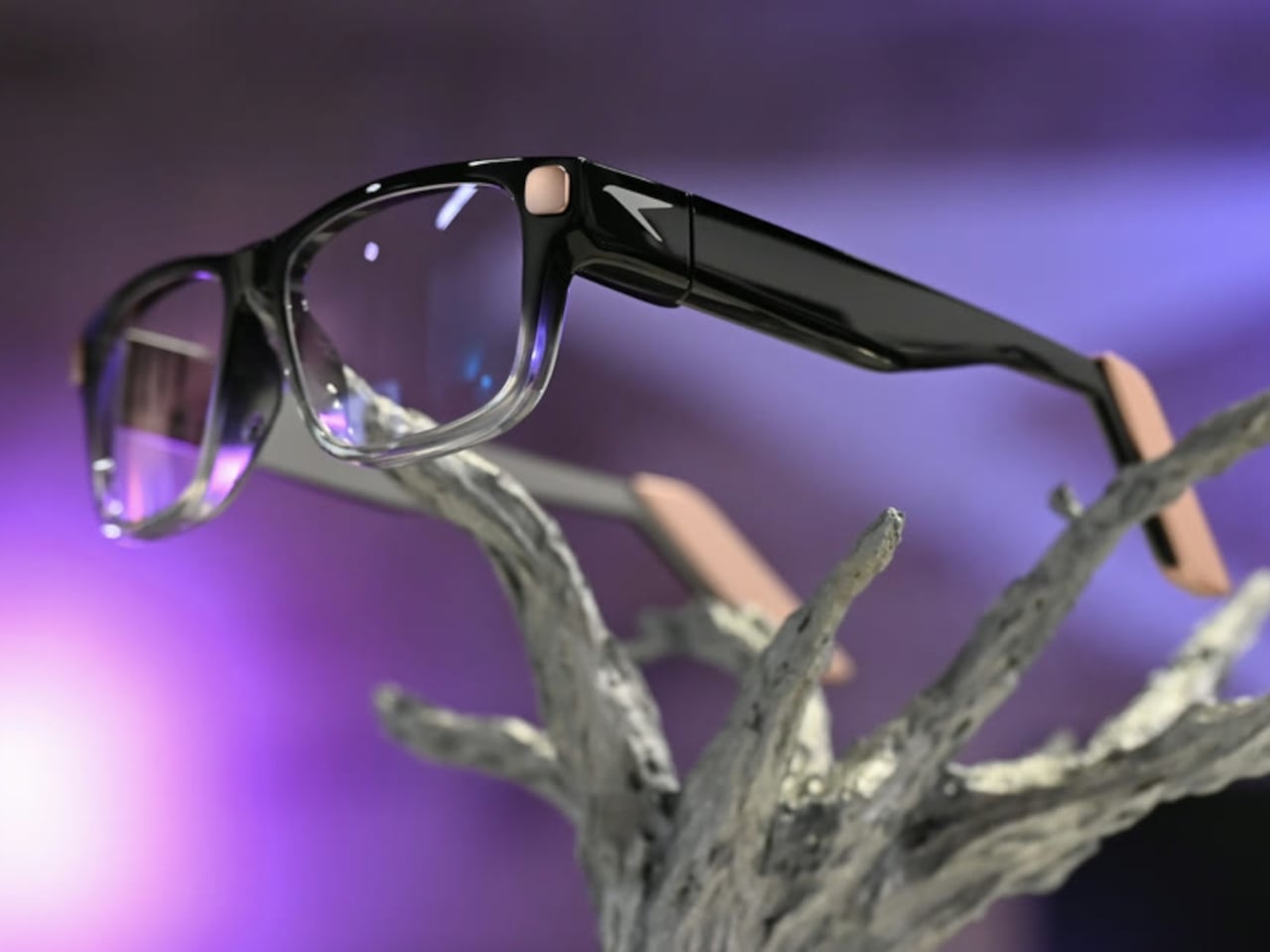
Raven Prism Glasses Squirt Linux Directly Into Your Peripheral Vision
Checking a recipe with flour on your fingers is a good reminder that a touchscreen isn't always the most convenient interface. Raven Resonance's Prism glasses take that logic and squirt Linux directly into your peripheral vision instead. A full Linux computer lives in the corner of your eye, no reaching, no tapping, just a heads-up display that stays out of your way until you need it. That's the kind of weird, sharp detail that makes you stop scrolling and open a new tab. It's early, it's a little feral, and it asks exactly the right question: why should your computer live on a desk when it could live in your field of view? If you liked the idea of a screwdriver that IDs its own bits in Arrowmax, you'll want to follow this one too.

Even Realities snuck the smart glasses into the tortoiseshell
Even Realities' Tortoise Shell frame is so gorgeous, I'd buy the smart glasses just for the design. That's not a throwaway compliment. Meta needed Ray-Ban. Google needed Warby Parker and Gentle Monster. This Shenzhen startup, barely three years old, apparently just needed a great frame. The tortoiseshell pattern does what smart glasses have been trying to do for years: make you forget there's a computer on your face. It's warm, familiar, and looks like something you'd pick out at an optician, not a CES booth. The tech inside still matters, but Even Realities understood that nobody wants to wear a gadget they'd be embarrassed to be seen in. For another take on how glasses handle their brains, check out our coverage of that titanium concept that refuses to hide its tech.

This titanium glasses concept wears its brain like a badge
Fitting a computer into a pair of glasses creates an awkward design problem: the electronics need room, but the result still has to belong on a face. This titanium concept solves it by wearing its brain like a badge. The tech isn't buried. It's exposed, proud, and frankly, that's the most interesting thing about it. Most smart glasses try to disappear into normalcy. This one refuses to hide what it is, and that honesty is refreshing. It makes you wonder why we ever expected a supercomputer to look invisible. If you're the type who appreciates hardware that owns its function, you might also enjoy how the tune X3 headphones borrow screws and soul from vintage studio gear. That same unapologetic design philosophy runs through both.
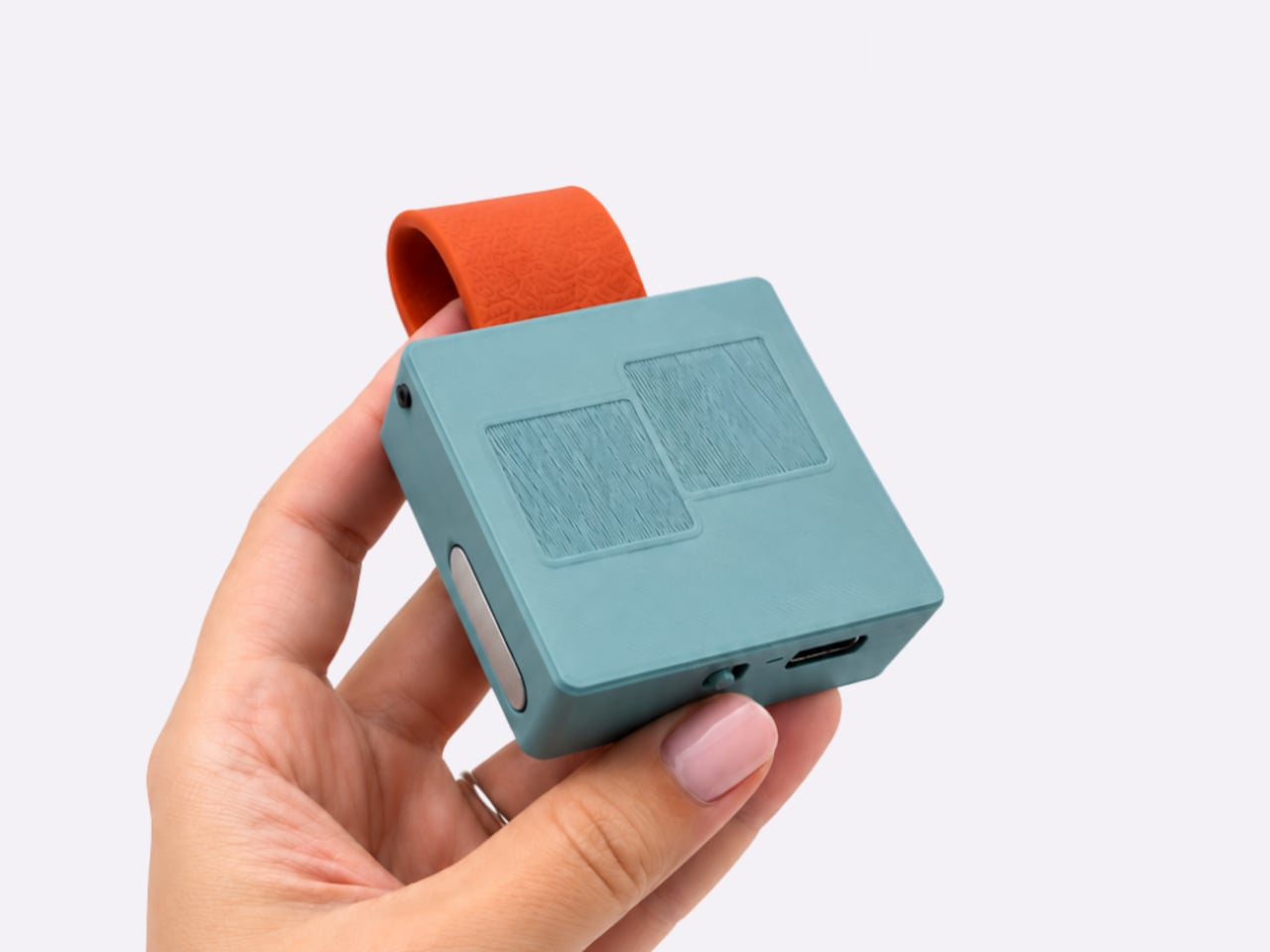
TypAir straps a keyboard to your wrist so you can type without talking
TypAir straps a keyboard to your wrist so you can type without talking. That's the whole pitch, and honestly it's the kind of quiet rebellion against the noise of smart glasses that makes me want to see how far it gets. MindRove's prototype uses gesture-based Bluetooth input, so you're not speaking messages aloud or fumbling for a second device. You just move your fingers and the words appear. It's early. It's weird. And it asks a great question: why should typing require a surface? The gesture recognition has to be razor-sharp to work in real life, but the ambition is exactly the kind of narrow, slippery detail Spoot loves.

zuckoff sniffs out smart glasses with bluetooth so you can spot them first
There's a particular thrill in being the first to clock the glasses on someone's face, and Zuckoff wants to hand you that moment on a Bluetooth platter. The app sniffs out nearby smart glasses, recognizing Ray-Ban Meta, Oakley Meta, and Snap Spectacles before you've even squinted their way. It's a razor clam of a detail: the idea that your phone can whisper, *hey, there's a camera two tables over*, without anyone pulling out a scanner. I love the blunt utility of it. No AR map, no flashy UI promise, just proximity detection doing one job well. It's gently skeptical, though, because recognizing a frame isn't the same as knowing what it's recording. Still, for the perpetually curious, this is the footnote that beats the marketing copy.