
mini PC
Spoot: Spotted Early keeps mini PC in one place: 3 stories so far. The section currently leads with “ASUS Shrinks an AI Workstation Into a Box That Looks Like a Stereo”, “Slurptop's DIY laptop yanks its battery straight from the tool shed”, and “Atari VCS finally closes its store, ending a decade-long death crawl”. ASUS's ProArt GR1X looks almost like a piece of audio equipment, with its square proportions and tightly gridded front. The Slurptop DIY Laptop yanks its battery straight from the tool shed, and it doesn't bother hiding the fact. Spoot: Spotted Early New things, caught while they're still new and a little weird. Spoot finds fresh gadgets, clever inventions, crowdfunding campaigns,… The list below is every mini PC story on Spoot: Spotted Early, newest first.
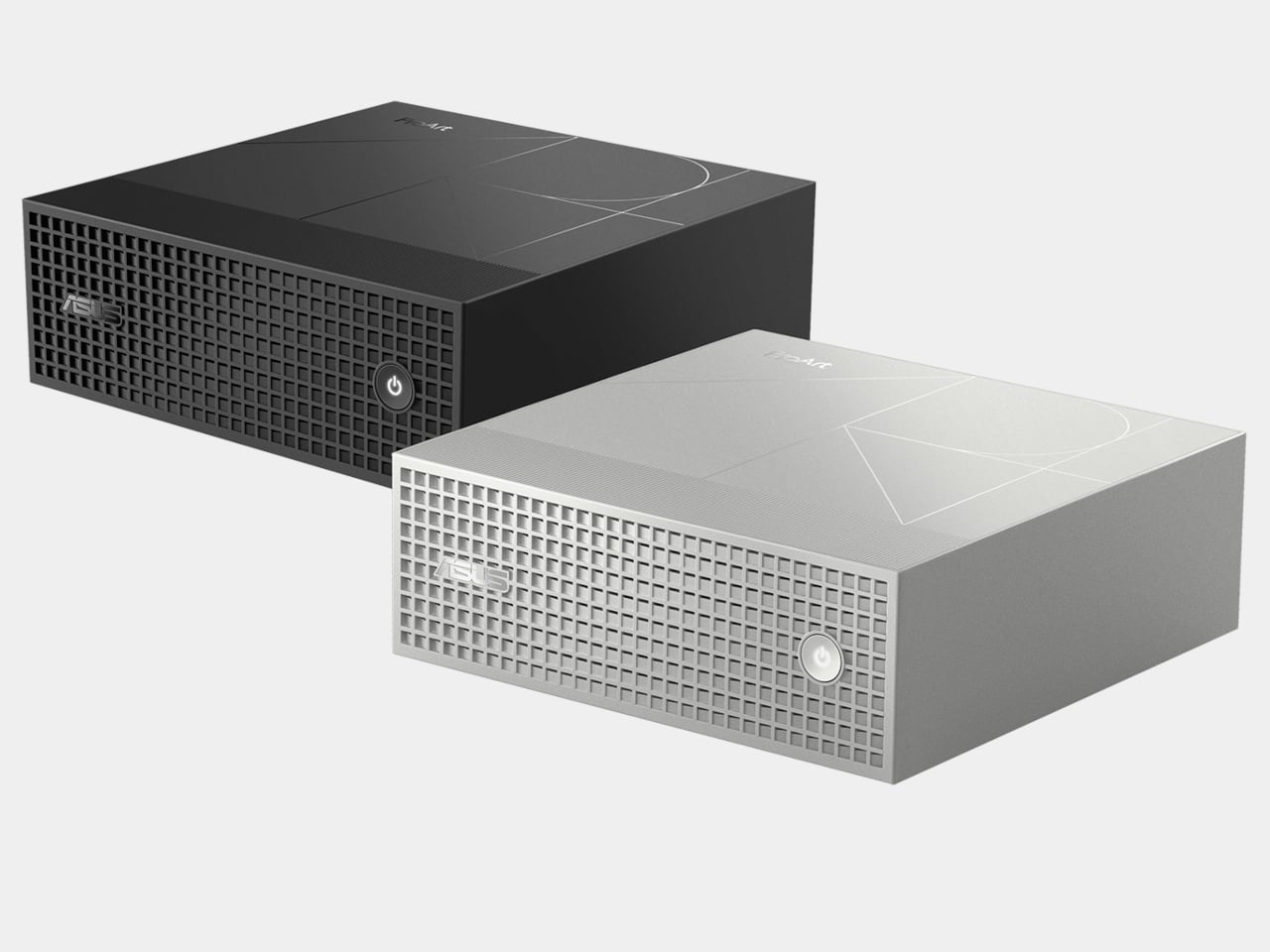
ASUS Shrinks an AI Workstation Into a Box That Looks Like a Stereo
ASUS's ProArt GR1X looks almost like a piece of audio equipment, with its square proportions and tightly gridded front. It is, however, actually a Windows AI workstation that fits neatly beside a monitor instead of under a desk. No tower. No crouching to reach a USB port. The thing is small enough to mistake for a stereo component, which is exactly the kind of weird design flex that makes you stop and wonder why every workstation doesn't look like this. It runs local AI models, so your data stays in the room. That matters. If you're also curious about where purple is turning up in unexpected places, our piece on five designs that cram purple where it shouldn't fit is a delightful detour.
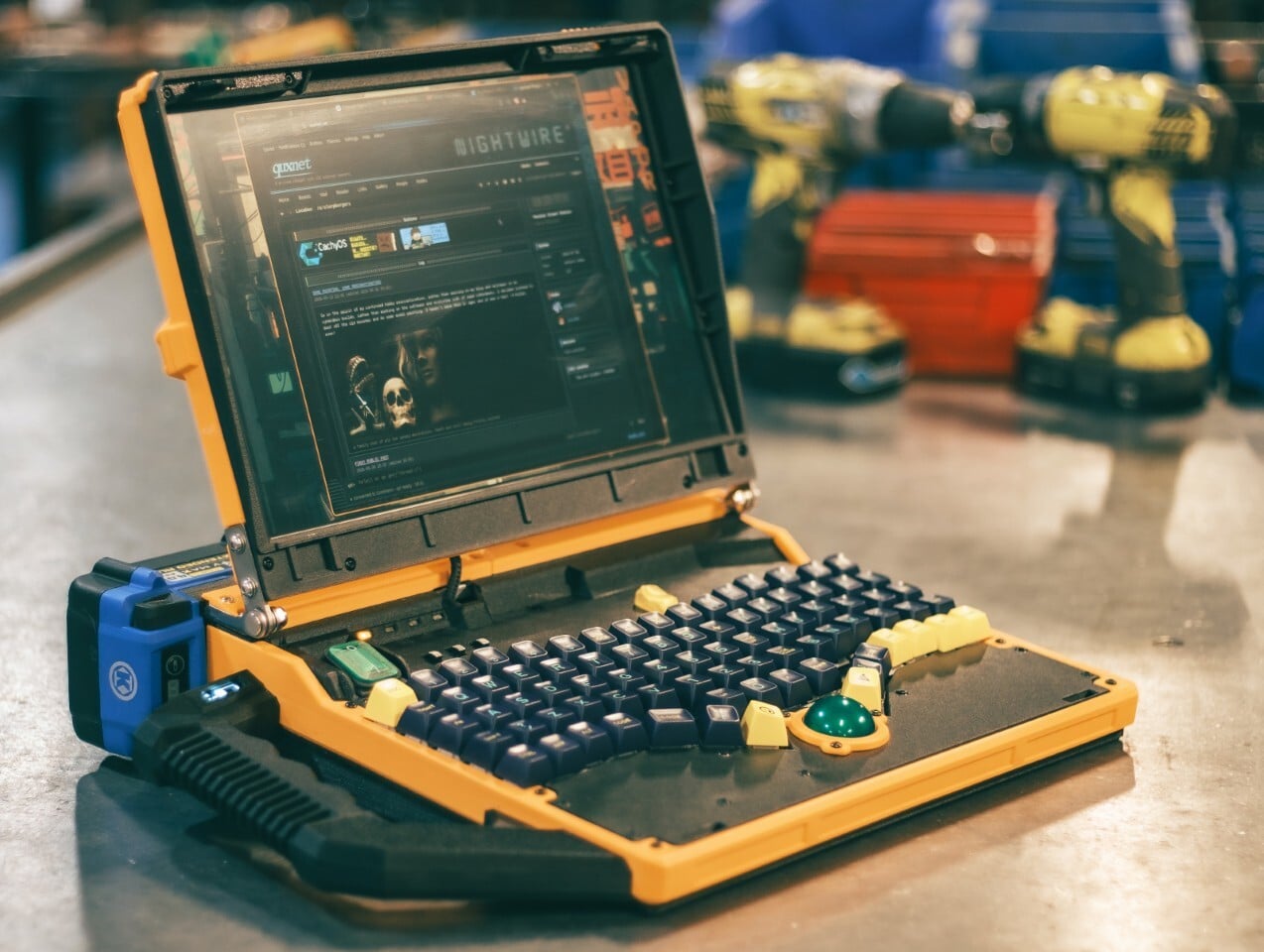
Slurptop's DIY laptop yanks its battery straight from the tool shed
The Slurptop DIY Laptop yanks its battery straight from the tool shed, and it doesn't bother hiding the fact. This chunky homemade cyberdeck wraps mini PC hardware in a body that looks like it could survive a drop off a workbench. That's the point. Slurptop borrows its power from standard tool batteries, which means you already own spares, already have a charger, and already know exactly how long they last. It's a weird, wonderful pivot away from proprietary everything. The question, as always with builds this scrappy, is whether the final kit actually ships or stays a glorious render. If you enjoy watching ambitious hardware projects stumble and sometimes survive, our coverage of the Atari VCS's decade-long death crawl is worth circling back to.

Atari VCS finally closes its store, ending a decade-long death crawl
February 1st, 2027. That's the date the Atari VCS software store finally goes dark, and honestly? It's a miracle it lasted this long. This console was a decade-long saga of delays, name changes, and crowdfunding backers being politely assured their retro box wasn't doomed. The VCS was a Linux-based, AMD-powered mini PC wearing a 2600-inspired shell with no cartridge slot. It could emulate a pile of classic Atari games out of the box, and its store promised more. But the store never became a destination. The VCS was always a strange, noble, slightly feral idea that never quite caught the scent of the mainstream. It asked who still wanted Atari enough to buy a whole new box for it, and the answer turned out to be: not enough.