
design concept
Spoot: Spotted Early keeps design concept in one place: 3 stories so far. The section currently leads with “The tune X3 headphones borrow screws and soul from vintage studio gear”, “Aurelis bag is a wearable sculpture that forgot its shell”, and “Orbit Clock lets you pick up the hour and minute markers like loose change”. The tune X3 headphones by préssec have exposed screws, brushed aluminum, and the kind of tactile audio adjustments that make you want to touch them before you hear them. Spoot: Spotted Early New things, caught while they're still new and a little weird. Spoot finds fresh gadgets, clever inventions, crowdfunding campaigns,… The list below is every design concept story on Spoot: Spotted Early, newest first.
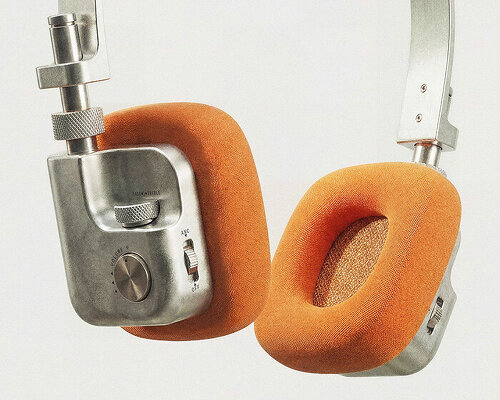
The tune X3 headphones borrow screws and soul from vintage studio gear
The tune X3 headphones by préssec have exposed screws, brushed aluminum, and the kind of tactile audio adjustments that make you want to touch them before you hear them. They borrow from vintage studio gear, the kind of hardware that feels heavy and purposeful, not polished into anonymity. It's a concept that understands character lives in the details, not the gloss. Does it ship? Who knows. But the design knows exactly what it wants to be. If you're circling back for more barely-there audio experiments, the related piece on Final's Porta headphones, where a single wire and 40 grams make headphones nearly vanish, pairs nicely with this one. Spoot approves of any headphone that dares to feel like an instrument.
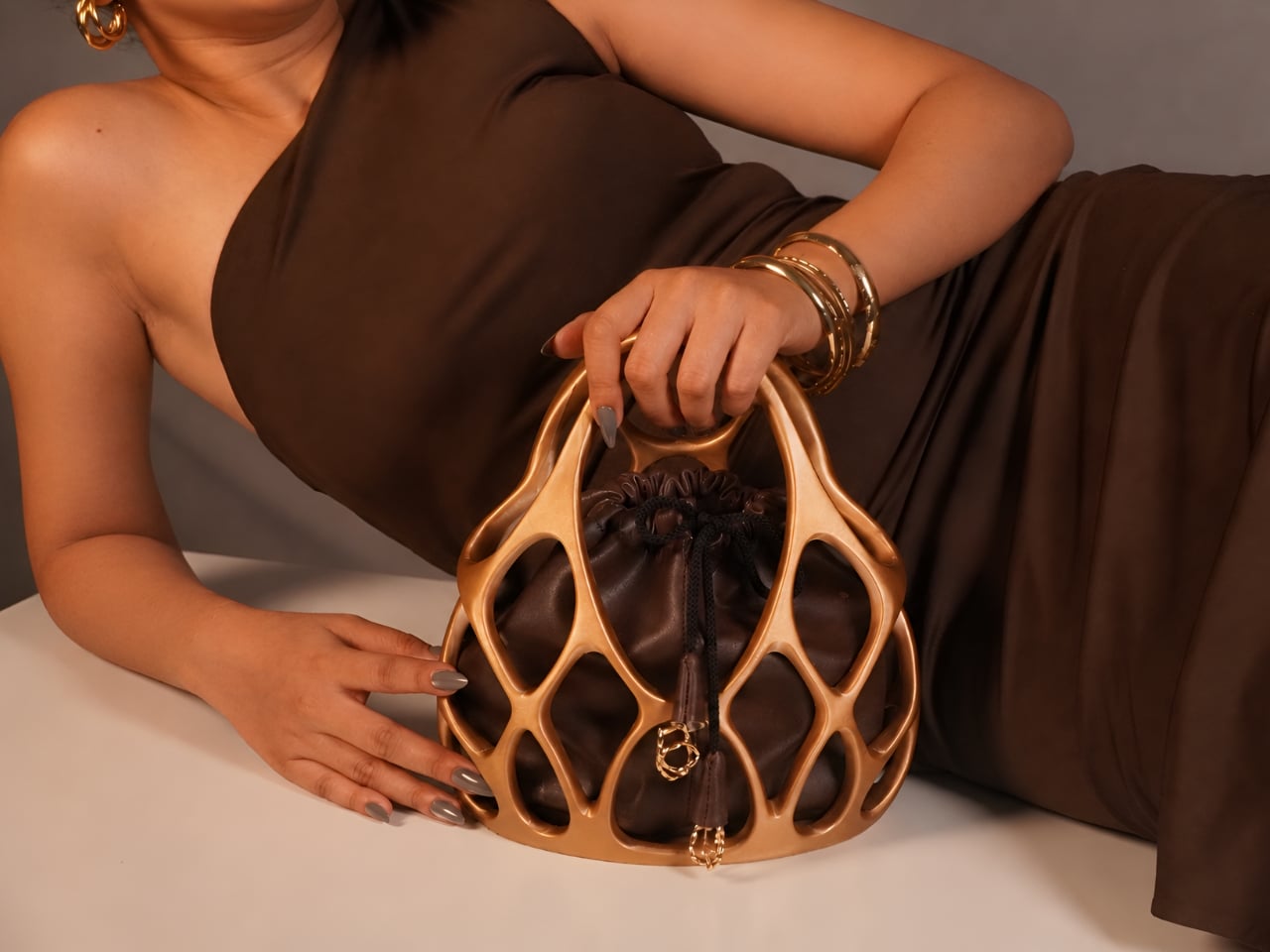
Aurelis bag is a wearable sculpture that forgot its shell
There's a bag that doesn't want to be a bag. The Aurelis is a wearable sculpture that forgot its shell, no solid frame, no rigid structure, just a shape that exists because you're wearing it. I don't own a lot of unique-looking bags, as I'm more of a practical and utilitarian kind of bag owner. But I do like observing how designers decide to break their own rules, and Aurelis breaks the first one: that a bag needs to hold its own shape. It's a concept, which means it lives in the space between "I want that" and "will it ever exist?", and Spoot loves that space. It reminds me of the *Orbit Clock* concept, which also asks you to rethink how you interact with an everyday object. Same curious energy, different kind of timekeeping.
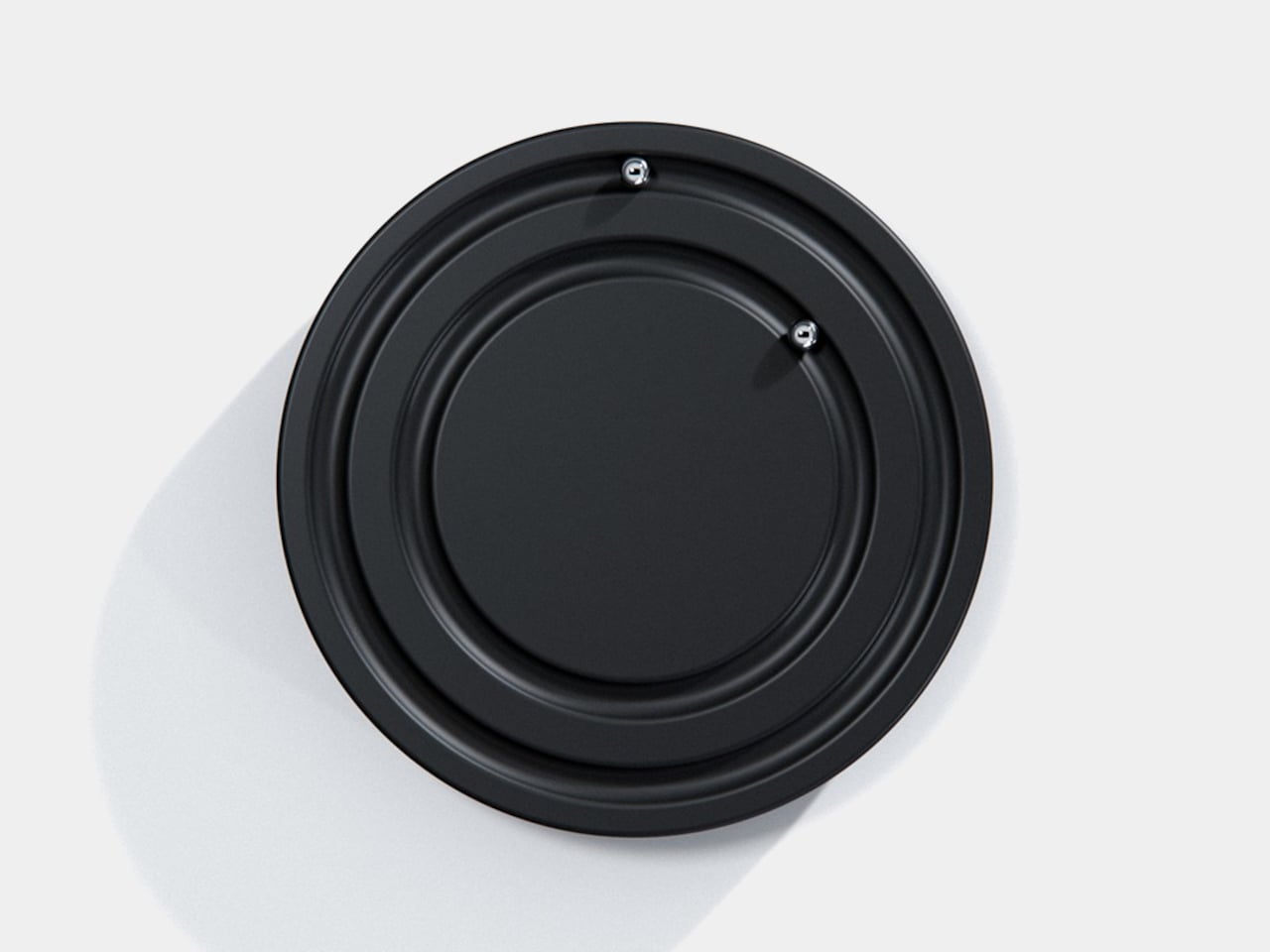
Orbit Clock lets you pick up the hour and minute markers like loose change
The hour hand is loose change now. Orbit Clock's concept lets you pick up the markers that tell time and put them back wherever you please, which is either a delightful invitation to fiddle or a quiet rebellion against the tyranny of the dial. We like it. There's a specific joy in a clock that trusts you enough to let you rearrange its face, and the idea of scooping up those little indices like coins from a counter feels wonderfully tactile in a world of glowing rectangles. It's still a concept, so we're wondering out loud whether it will ever tick on a real wall. But the thinking here is sharp, narrow, and surfaces fast. That's the good stuff.