
bioplastic
bioplastic at Spoot: Spotted Early is a file of 2 stories. The newest of them: “This mushroom camera asks what we should really be throwing away” and “This camera decomposes before your photos ever do”. The mycelium in Sree Krishna Pillarisetti's soft-pixel camera isn't just a casing, it's a question mark buried in the spec sheet. Forty years ago, Fujifilm launched the QuickSnap, a plastic box of film you shot, dropped off at the drugstore, and never saw again. Spoot: Spotted Early New things, caught while they're still new and a little weird. Spoot finds fresh gadgets, clever inventions, crowdfunding campaigns,… The list below is every bioplastic story on Spoot: Spotted Early, newest first.
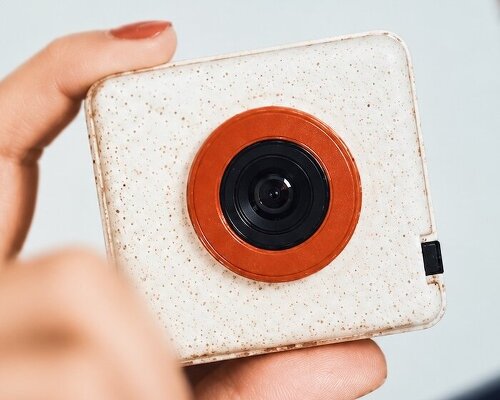
This mushroom camera asks what we should really be throwing away
The mycelium in Sree Krishna Pillarisetti's soft-pixel camera isn't just a casing, it's a question mark buried in the spec sheet. Disposable cameras have always been designed to be thrown away, but this one forces us to ask which part of the device should really be discarded. The shell is compostable, made from mycelium, hemp, and bioplastic, while the internal electronics get a second life. It's the kind of clever inversion that makes you circle back. We've seen Volvo borrow leaves for its seats and a forest for its soul in the electric EX60, and that same curiosity about materials shows up here, just smaller, sharper, and willing to decompose before your photos ever do. Spoot wonders: if the camera can rot, what's our excuse for keeping everything else?
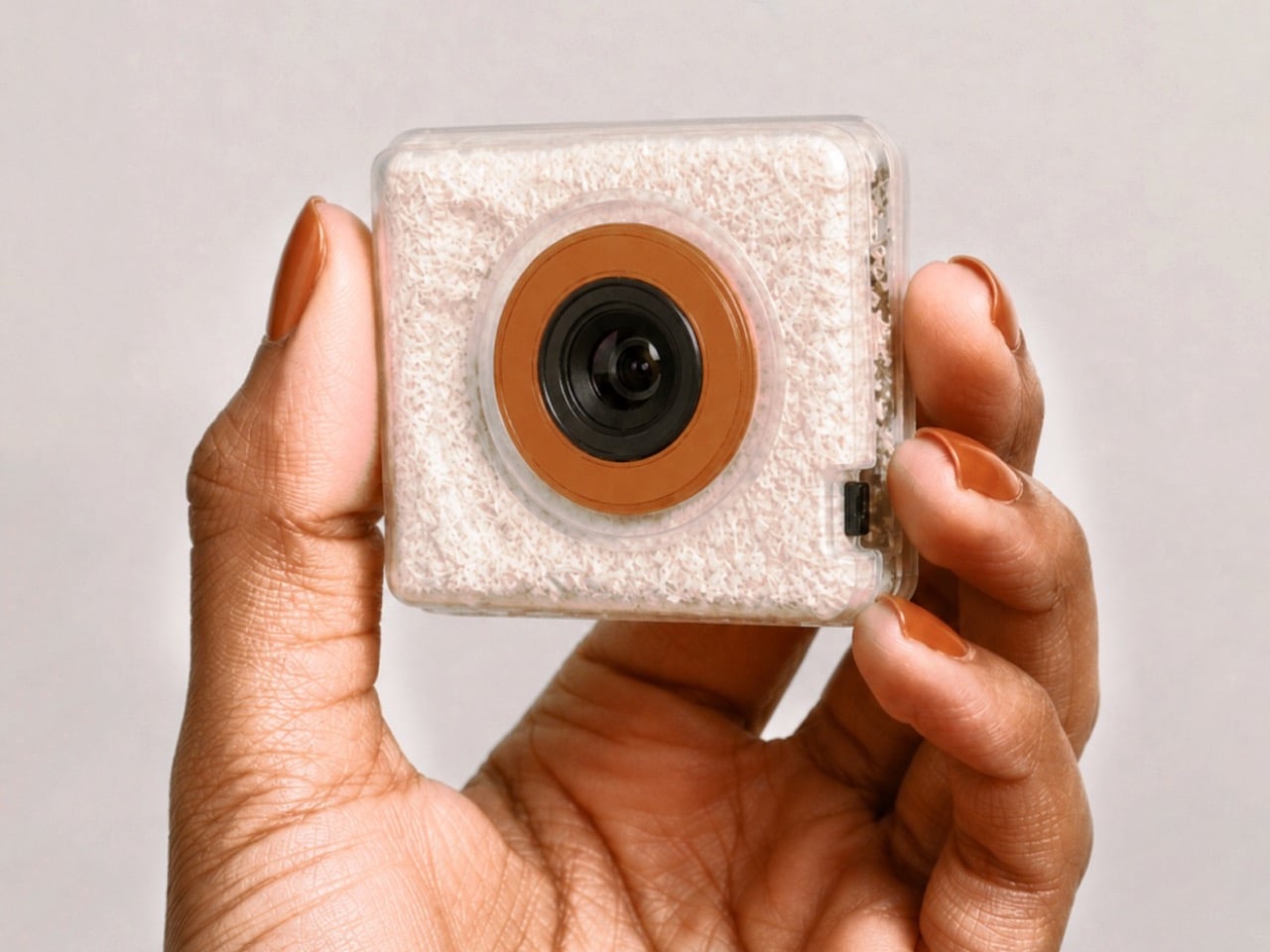
This camera decomposes before your photos ever do
Forty years ago, Fujifilm launched the QuickSnap, a plastic box of film you shot, dropped off at the drugstore, and never saw again. The disposable camera has always been a monument to planned obsolescence, a single-use plastic brick that outlives its own purpose by centuries. This one flips the script entirely. It grows from mycelium, the root-like network of fungi, and decomposes before your photos ever do. You don't recycle it. You bury it. That's the kind of material thinking that makes you wonder why we ever used plastic for anything temporary. It's still a disposable camera, so the questions about cost and availability matter, but the concept alone feels like a quiet rebellion. If you liked the clever rethinking behind Flashback's single-day development model, this fungal frame is worth watching too.