
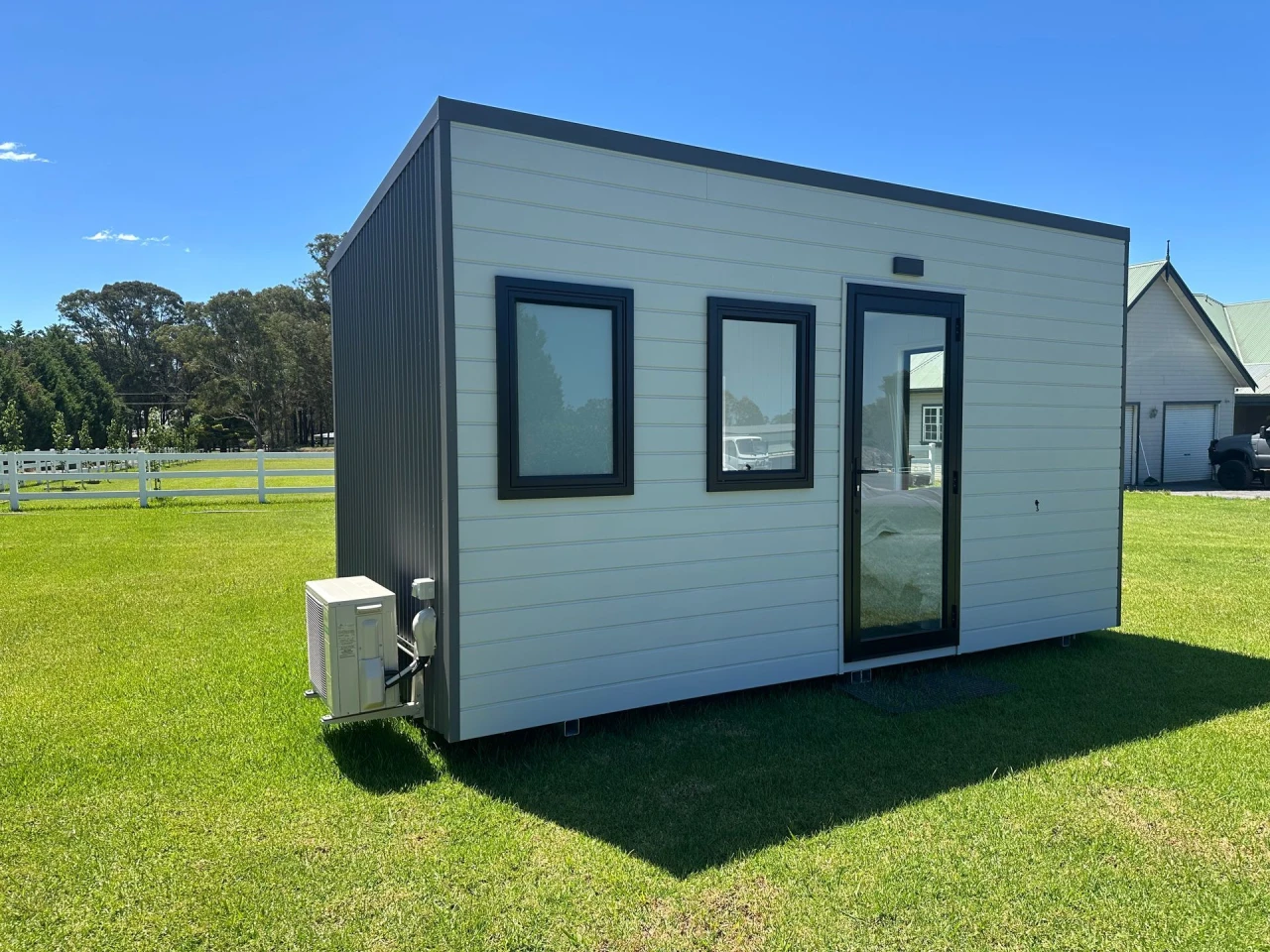
The Pod Tiny Home is exactly as honest as its name suggests, and that might be the most refreshing thing about it. While the tiny house movement has increasingly drifted toward architectural flexes and weekend-away cabins that cost more than a proper apartment, this one has the audacity to simply be small. It strips living down to bare essentials, no grand gestures, no unfolding secret wings, no home theater tucked into a pocket. It is a compact shelter for one person who needs a quiet place to sleep and work, and it refuses to pretend otherwise. That clarity is its superpower.
We have seen what happens when tiny houses forget they are supposed to be tiny, like the The tiny house that forgot it was supposed to be tiny that stretched its floor plan wide and tall until "tiny" became a marketing label rather than a lived constraint. And we have admired the ingenuity of designs like the This 355-square-foot vineyard house is a secret you unfold that hide their complexity behind a clever hinge or a fold-out wall. The Pod does neither of those things. It does not unfold. It does not expand. It arrives as one piece, stays one piece, and expects you to make peace with the square footage you signed up for. For the right person, someone who actively wants fewer surfaces to clean, fewer corners to fill, fewer decisions about where to put a thing, that is not a limitation. It is a relief.
But here is where Spoot gets gently skeptical. The Pod's promise of stripped-down essentials raises a practical question that the launch copy likely glides past: what, exactly, is essential? The marketing says compact and bare-bones, but those words mean different things to different people. For some, essentials include a proper kitchen counter and a toilet that does not require composting. For others, a camping stove and a bucket shower are perfectly fine. The Pod's success will hinge on where it lands on that spectrum, and on whether the price and timeline match the simplicity of the design. Crowdfunding campaigns and concept renders have taught us to admire the idea first and ask about shipping dates later. The Pod needs to tell us who it is actually for, the weekend glampers, the off-grid workers, the people who want a backyard office that doubles as a guest room, before we can decide whether its honesty is a feature or a warning.
The Karoo Camper proved that a well-executed compact design can trade renderings for reality and still deliver on its promises, but it also carried a premium price tag and a very specific audience. The Pod appears to aim lower and narrower, which is exactly the right instinct. The question to watch is whether it can stay that focused all the way to production, or whether the inevitable compromises of actually building something will force it to add back the extras it so cleanly cut away.