
waveguide display
Spoot: Spotted Early keeps waveguide display in one place: 2 stories so far. The section currently leads with “Raven Prism Glasses Squirt Linux Directly Into Your Peripheral Vision” and “Even Realities snuck the smart glasses into the tortoiseshell”. Checking a recipe with flour on your fingers is a good reminder that a touchscreen isn't always the most convenient interface. Even Realities' Tortoise Shell frame is so gorgeous, I'd buy the smart glasses just for the design. Spoot: Spotted Early New things, caught while they're still new and a little weird. Spoot finds fresh gadgets, clever inventions, crowdfunding campaigns,… The list below is every waveguide display story on Spoot: Spotted Early, newest first.
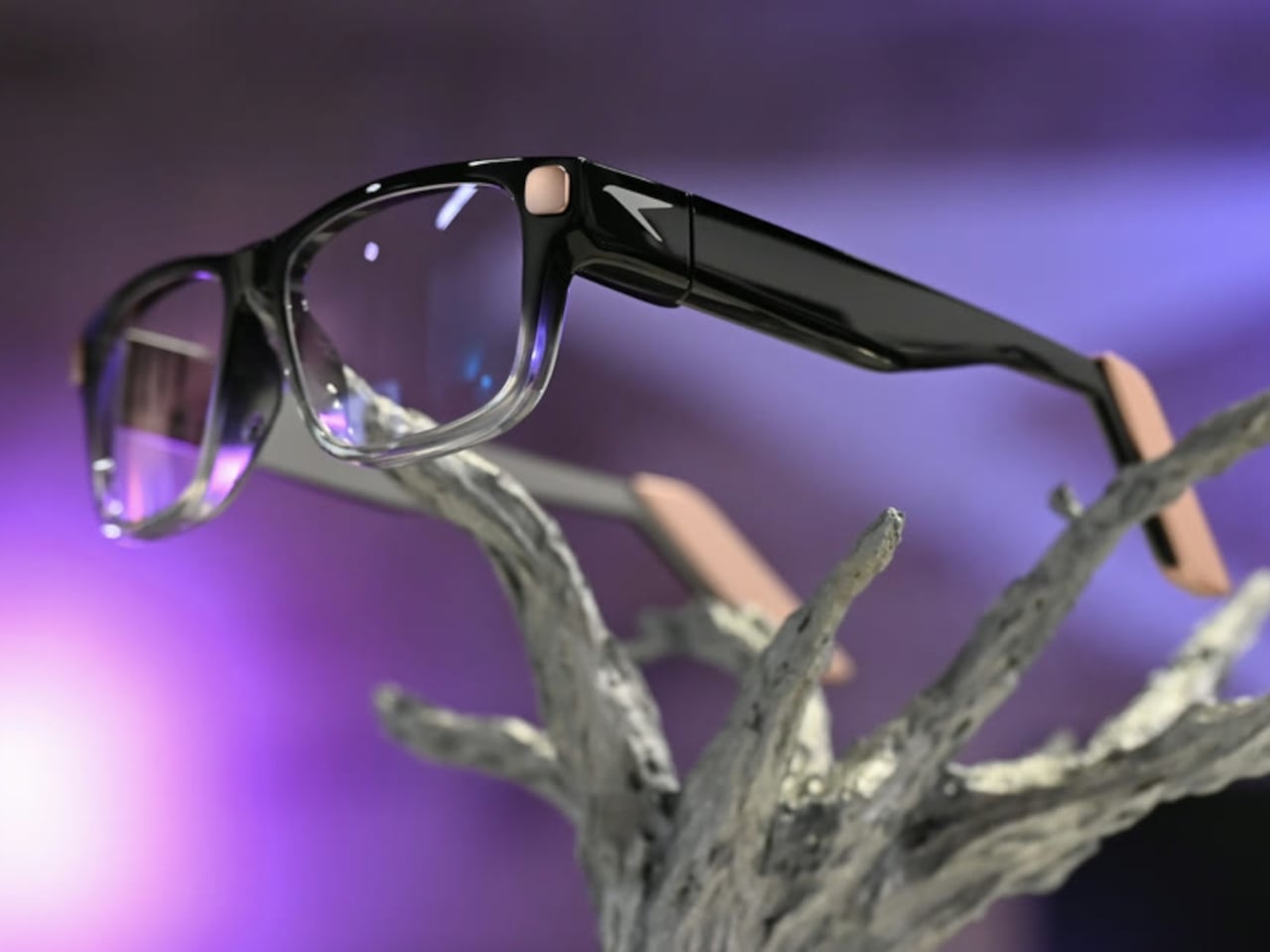
Raven Prism Glasses Squirt Linux Directly Into Your Peripheral Vision
Checking a recipe with flour on your fingers is a good reminder that a touchscreen isn't always the most convenient interface. Raven Resonance's Prism glasses take that logic and squirt Linux directly into your peripheral vision instead. A full Linux computer lives in the corner of your eye, no reaching, no tapping, just a heads-up display that stays out of your way until you need it. That's the kind of weird, sharp detail that makes you stop scrolling and open a new tab. It's early, it's a little feral, and it asks exactly the right question: why should your computer live on a desk when it could live in your field of view? If you liked the idea of a screwdriver that IDs its own bits in Arrowmax, you'll want to follow this one too.

Even Realities snuck the smart glasses into the tortoiseshell
Even Realities' Tortoise Shell frame is so gorgeous, I'd buy the smart glasses just for the design. That's not a throwaway compliment. Meta needed Ray-Ban. Google needed Warby Parker and Gentle Monster. This Shenzhen startup, barely three years old, apparently just needed a great frame. The tortoiseshell pattern does what smart glasses have been trying to do for years: make you forget there's a computer on your face. It's warm, familiar, and looks like something you'd pick out at an optician, not a CES booth. The tech inside still matters, but Even Realities understood that nobody wants to wear a gadget they'd be embarrassed to be seen in. For another take on how glasses handle their brains, check out our coverage of that titanium concept that refuses to hide its tech.