
device
Spoot: Spotted Early keeps device in one place: 7 stories so far. The section currently leads with “Garmin finally lets you yell at your bike computer”, “A leaf that cracks seawater into hydrogen and eats poison for lunch”, and “Brick Night costs more than double because it knows where you sleep”. Garmin finally lets you yell at your bike computer. A single leaf, flattened into a panel, is now cracking seawater into hydrogen and eating hydrazine for lunch. Spoot: Spotted Early New things, caught while they're still new and a little weird. Spoot finds fresh gadgets, clever inventions, crowdfunding campaigns,… The list below is every device story on Spoot: Spotted Early, newest first.

Garmin finally lets you yell at your bike computer
Garmin finally lets you yell at your bike computer. The Edge 1060 now has a microphone and a speaker, so you can bark commands at it instead of poking a sweaty touchscreen while dodging a pothole. That's the good news. The better news is it talks back, which means you might finally get turn-by-turn directions without taking your eyes off the road. Voice control has been sitting in our phones and smart speakers for years, so it's almost weird it took this long to show up on a bike computer. But here it is, and it makes immediate sense for anyone who's ever nearly swerved into a hedge trying to zoom in on a map.
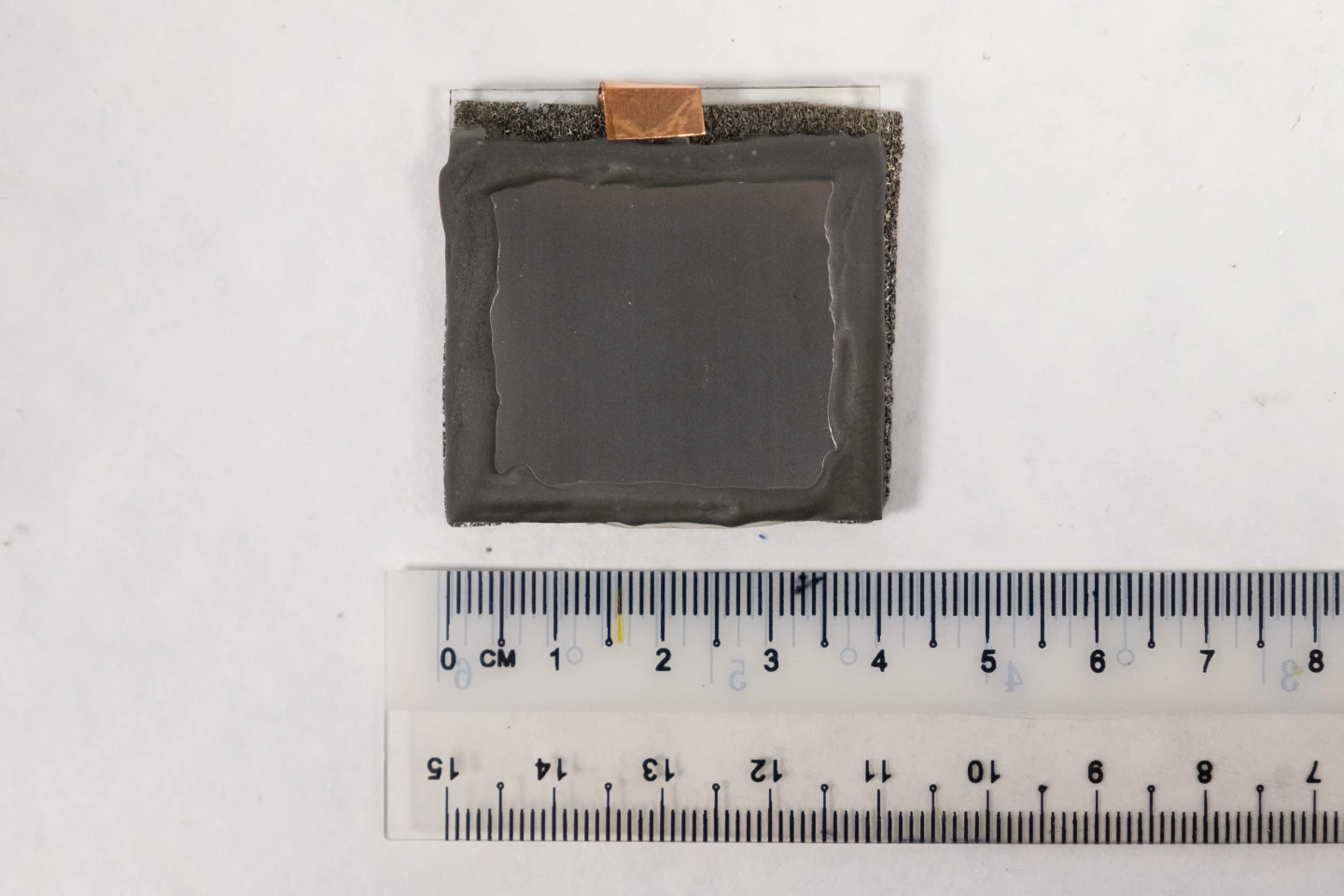
A leaf that cracks seawater into hydrogen and eats poison for lunch
A single leaf, flattened into a panel, is now cracking seawater into hydrogen and eating hydrazine for lunch. Researchers at Nanyang Technological University in Singapore built a solar-powered device that mimics how leaves harness sunlight to drive chemical reactions. The result is hydrogen fuel pulled from the ocean while simultaneously breaking down a highly toxic industrial pollutant. That is a two-for-one deal so elegant it feels like cheating. Electrolysis is usually energy-intensive and wastewater treatment is a separate, expensive headache. This thing handles both at once. It is early, and the leap from lab bench to deployment is long, but the logic is feral and clean. If you are still processing how weird it is that your next screen might be sewn into your sleeve, this leaf might be the harder pivot.

Brick Night costs more than double because it knows where you sleep
Brick, the company that made a $59 brick you tap your phone against to stop using apps, just released a bigger, pricier version that knows where you sleep. The Brick Night costs $129, more than double, and uses Bluetooth to automatically block your selected apps when you walk into your bedroom. No tapping required. It sets a location zone up to 25 feet by 25 feet, runs on two CR2477 batteries, and targets the specific doomscrolling that happens after you've already crawled under the covers. That's a clever pivot from the original's tap-to-block mechanic, and honestly, the price bump makes sense if it actually keeps you off Twitter at 2 a.m. The catch? You still have to set it up and admit you need it.

Apple HomeView has the hardware for apps but only runs CarPlay
Apple's HomeView has the guts to run apps, a proper chip, always-on power, a screen that begs for widgets, but it only runs CarPlay. That's weird, right? The Vergecast crew is asking the same thing: why build a home hub with real computing muscle and then refuse to let it be its own app platform? It's a deliberately closed door, and the speculation is that Apple wants control over the experience rather than a free-for-all of third-party interfaces. But it raises the obvious question: if your smart display can't run smart home apps natively, what exactly is it for? Our related piece, *"Apple's HomeView is a chimera of nostalgia, and that's exactly the point"*, digs into the design philosophy behind that choice.

Apple's seven-inch HomeView screen turns every wall into a command center
Apple finally put a seven-inch screen on your wall and called it HomeView. It consolidates every smart-home control, every app, every home-management toggle into one glossy dashboard that hangs there like a quiet command center. Two versions exist, which is classic Apple, give people a choice and watch them argue about which one is right. The idea is simple: stop digging through your phone for the lights, the thermostat, the door lock. Put it all on a wall where you can see it. We wrote about this in "Apple's HomeView Finally Gives Your Smart Bulbs a Room With a View," and the comparison holds. A room with a view indeed. Now the question is whether HomeView actually becomes the brain of the house or just another screen competing for your attention.
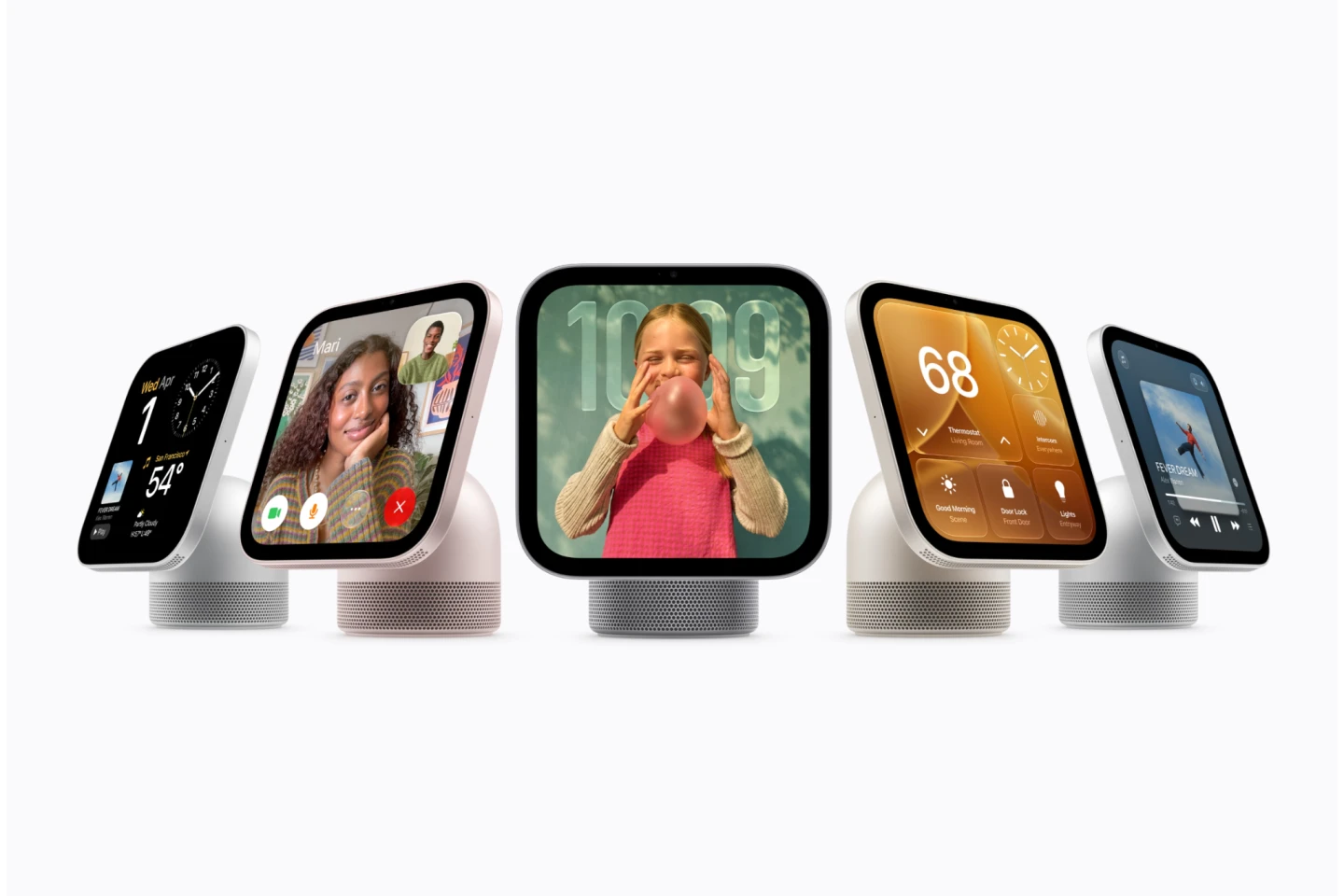
Apple's HomeView is a chimera of nostalgia, and that's exactly the point
The iMac G4's floating display was always the best thing Apple ever put on a desk, and HomeView finally brings that energy to the wall. A 7-inch smart display that borrows the iPad's touchscreen, the Apple Watch's familiar faces, and a HomePod's speaker base? That's a chimera worth taking seriously. It's nostalgic, sure, but nostalgia isn't a flaw when the original design was this good. The real question is whether it earns its spot as the center of the connected home, or just becomes another screen demanding attention. I'm gently skeptical, but also already checking where it fits. If you want the full picture of Apple's smart home push, our piece on how John Ternus is making Apple weird again pairs nicely with this one. Stay spooty.

Mesh-89 talks to checkpoints so West Bank drivers don't have to guess
A clever little box that whispers checkpoint status to Palestinian bus drivers, and it looks like nothing at all. That's the point. Joud Abuhomos, fresh out of Central Saint Martins, built Mesh-89 to sidestep the guessing game around the West Bank's 89 permanent Israeli-run checkpoints. Deliberately unassuming, it's off-grid and simple because it has to be. The razor clam here is the restraint: no flashy screen, no hype, just a quiet signal that tells a driver when to reroute. I love that it solves a daily, grinding problem without demanding attention. It's the kind of tool that disappears into the job. For more on clever, unassuming tech, our piece on zuckoff sniffing out smart glasses is worth a look. Stay spooty.