
Bluetooth
Spoot: Spotted Early keeps Bluetooth in one place: 7 stories so far. The section currently leads with “Google's Pixel Tag finally surfaces, priced to poke AirTag right in the wallet”, “JBL just slashed three best-selling speakers to a price that demands attention”, and “Your next screen is sewn into your sleeve and that's genuinely weird”. Google's Pixel Tag is finally real, and it costs $29.99, or $99.99 for a four-pack, which is basically the same price as Apple's AirTag 2, but with a shape that's a little longer and a little thinner. Spoot: Spotted Early New things, caught while they're still new and a little weird. Spoot finds fresh gadgets, clever inventions, crowdfunding campaigns,… The list below is every Bluetooth story on Spoot: Spotted Early, newest first.

Google's Pixel Tag finally surfaces, priced to poke AirTag right in the wallet
Google's Pixel Tag is finally real, and it costs $29.99, or $99.99 for a four-pack, which is basically the same price as Apple's AirTag 2, but with a shape that's a little longer and a little thinner. It weighs 0.4 ounces, so slightly lighter than Apple's tracker, and it plugs into Google's Find Hub network. No hole for a keyring, though, which means you'll need a case or a sticky mount if you want to attach it to anything. That's a small friction point for something that's otherwise aimed straight at the AirTag's wallet. It makes me wonder how many people have been waiting for a first-party Google tracker, and whether the oblong design will actually stay put on a dog collar or a backpack.

JBL just slashed three best-selling speakers to a price that demands attention
JBL just slashed three of its best-selling portable Bluetooth speakers to a price that demands attention. Not a gentle sale. A proper, wallet-waking discount. These are the speakers you see at every beach trip and backyard cookout, the ones that survive being knocked off a cooler and keep playing through a drizzle. Now they're cheaper, and the question is not whether you need one but whether you have a good excuse not to. Spoot has been scrolling past this kind of deal for years, and this one feels different. It feels like JBL wants you to stop wondering and just take it outside. If you liked the way that New Balance sale made you rethink your footwear loyalty, this one might do the same for your audio setup.
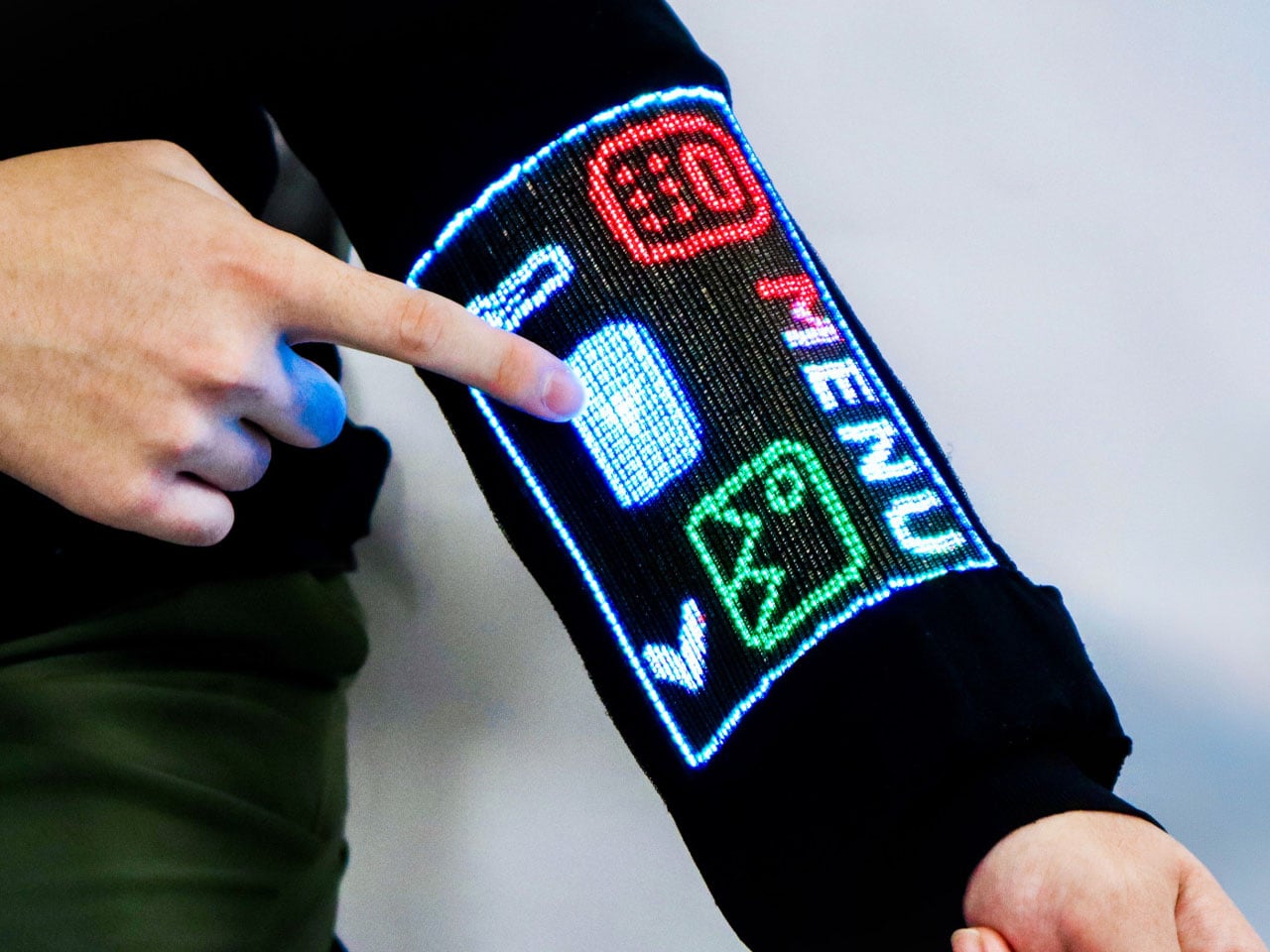
Your next screen is sewn into your sleeve and that's genuinely weird
Your next touchscreen is sewn into your sleeve, and that is genuinely weird. We already wear heaters and Bluetooth speakers, but tech-infused clothing that goes further still looks ugly and nerd. The promise is a fabric that responds to touch, woven directly into the cuff or the arm, turning your own jacket into an interface. It is a wild idea, and it raises the obvious question: will anyone actually wear it? The answer depends on whether the designers can make it disappear into the garment instead of screaming "I am a gadget." If you enjoyed the minimalist logic of CMF's milk-carton speakers, you will appreciate the same challenge here, making the functional feel inevitable, not intrusive.

Brick Night costs more than double because it knows where you sleep
Brick, the company that made a $59 brick you tap your phone against to stop using apps, just released a bigger, pricier version that knows where you sleep. The Brick Night costs $129, more than double, and uses Bluetooth to automatically block your selected apps when you walk into your bedroom. No tapping required. It sets a location zone up to 25 feet by 25 feet, runs on two CR2477 batteries, and targets the specific doomscrolling that happens after you've already crawled under the covers. That's a clever pivot from the original's tap-to-block mechanic, and honestly, the price bump makes sense if it actually keeps you off Twitter at 2 a.m. The catch? You still have to set it up and admit you need it.
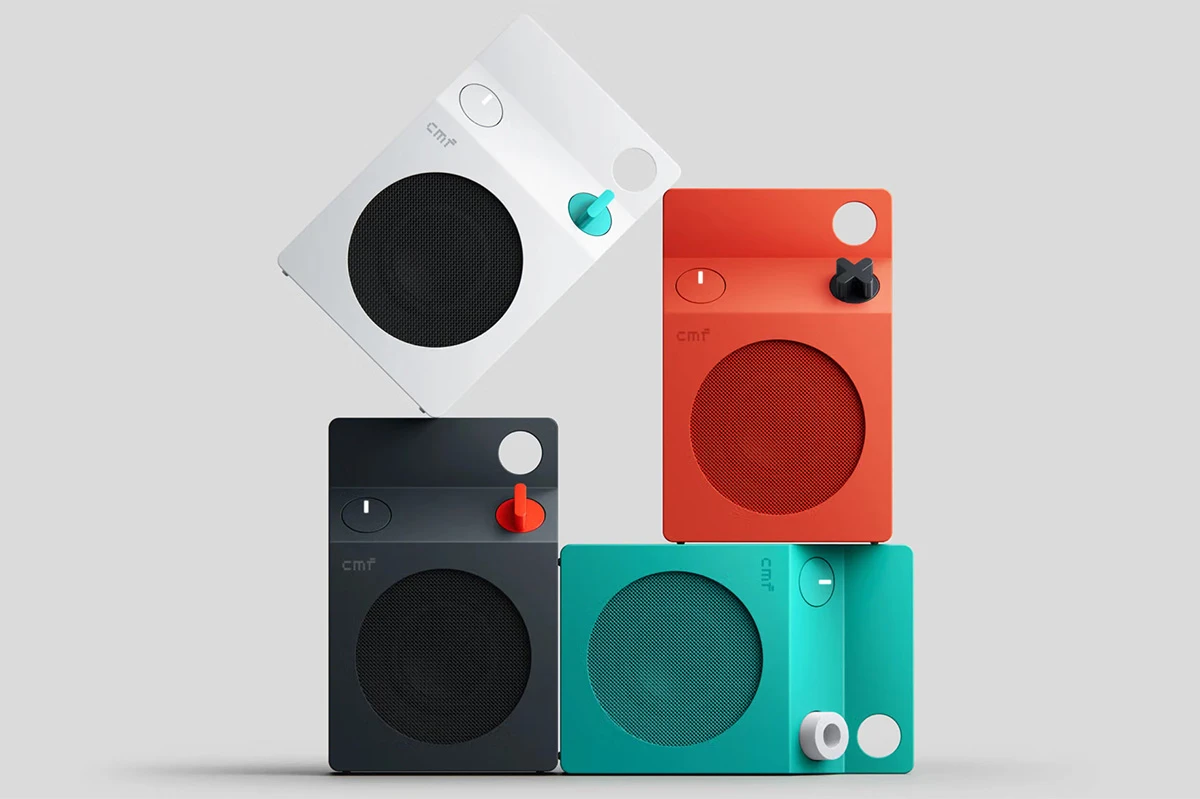
CMF's milk-carton speakers make minimalism look deliciously loud
There's something quietly unhinged about a speaker shaped like a milk carton, and I mean that as the highest compliment. CMF's first portable speakers come in two sizes, and they've turned the most mundane object in your fridge into a minimalist statement that's somehow both playful and precise. Four colorways, and honestly, collecting all of them feels less like excess and more like a personality trait. The design does the heavy lifting here: it's familiar enough to make you smile, clean enough to disappear into a shelf. You don't need to read a spec sheet to get it. You just need to have ever poured a glass of cereal.
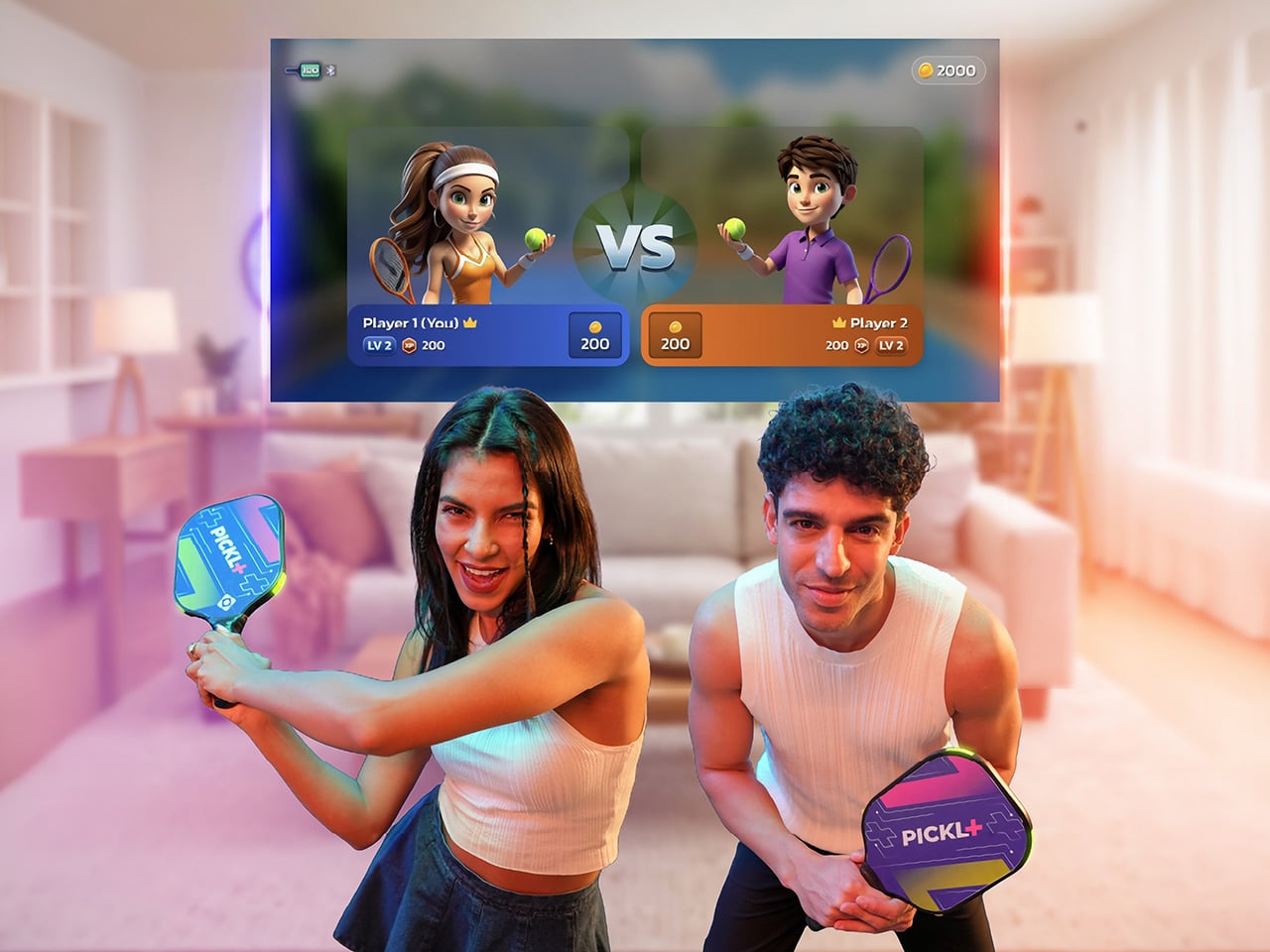
This $175 smart paddle drags pickleball off the court and onto your couch
The $175 smart paddle doesn't care about your living room ceiling. It's a Wii-style controller disguised as a paddle, and it wants to turn your TV into a pickleball court, which means the fastest-growing sport in America has finally found its way to your couch. That's the pitch, and honestly, it's a good one: no net, no wind, no missing the kitchen line because you're barefoot and holding a snack. It's clever, and it knows it. But Spoot's gently skeptical here, because "smart paddle" can mean a lot of things, and "turns your TV into a court" usually means a lot of lag and a broken remote. The real question isn't whether it's fun. It's whether it's worth $175 when you could just buy a real paddle and a friend.

zuckoff sniffs out smart glasses with bluetooth so you can spot them first
There's a particular thrill in being the first to clock the glasses on someone's face, and Zuckoff wants to hand you that moment on a Bluetooth platter. The app sniffs out nearby smart glasses, recognizing Ray-Ban Meta, Oakley Meta, and Snap Spectacles before you've even squinted their way. It's a razor clam of a detail: the idea that your phone can whisper, *hey, there's a camera two tables over*, without anyone pulling out a scanner. I love the blunt utility of it. No AR map, no flashy UI promise, just proximity detection doing one job well. It's gently skeptical, though, because recognizing a frame isn't the same as knowing what it's recording. Still, for the perpetually curious, this is the footnote that beats the marketing copy.