
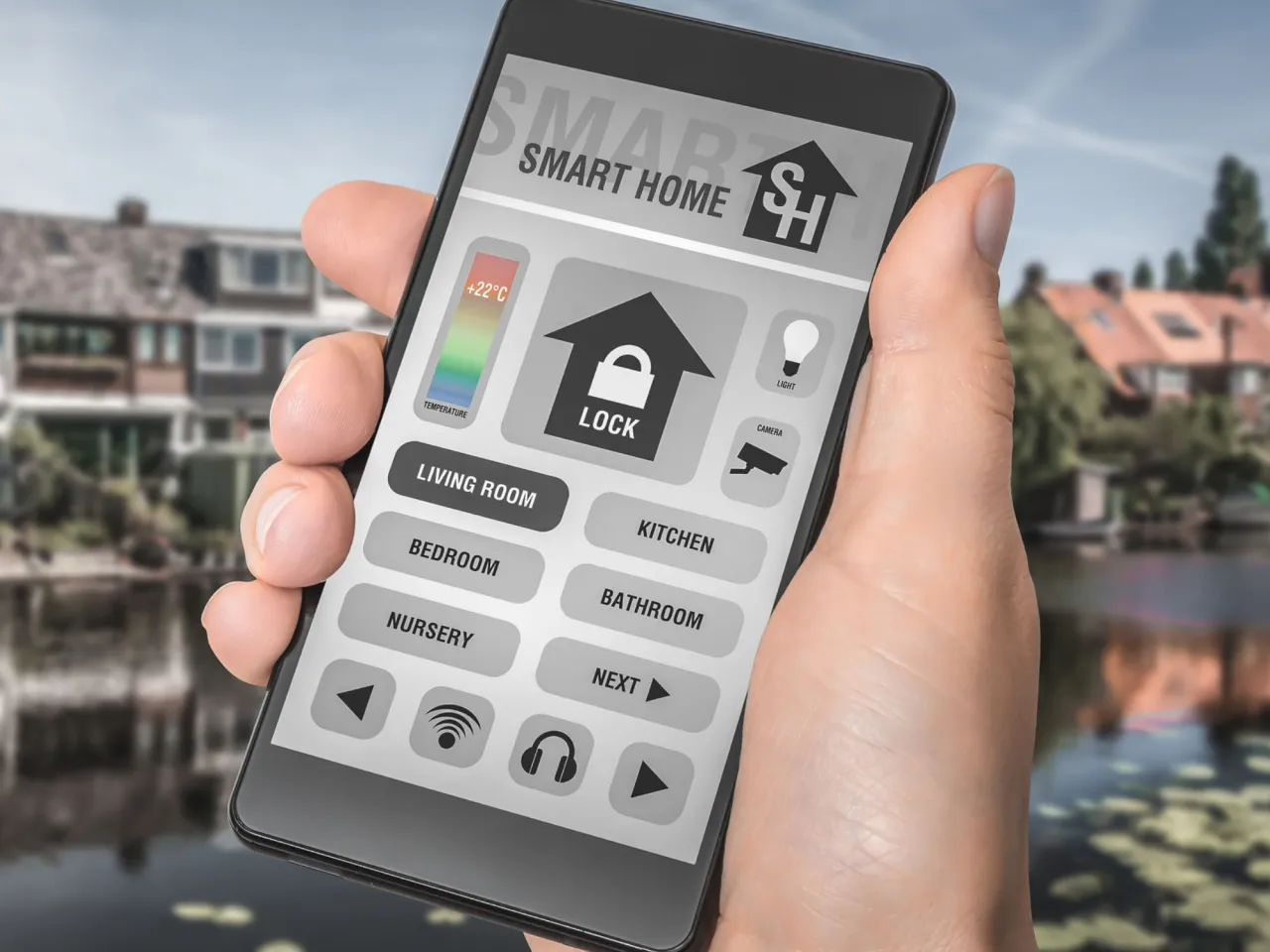
A house that anticipates a heatwave before you feel it, that darkens its own windows and pre-cools the bedrooms while the sun is still high and your solar panels are singing, that's the kind of quiet, useful intelligence we can actually get behind. The University of Adelaide is working on exactly this: a home with foresight, one that knows when to pull the blinds, when to chill the rooms, and when to tell the car to wait. It's a concept that sits somewhere between the radical efficiency of The Pod Tiny Home strips small living down to the bare essentials and the surprising spaciousness of the tiny house that forgot it was supposed to be tiny, not about shrinking, but about thinking.
Here is a house that stops treating the grid like an infinite resource and starts treating itself like a battery with a brain. On a hot afternoon, instead of blasting AC at peak rates while the sun cooks the west wall, this house shades itself first. It cools the bedrooms early, when solar is abundant and cheap. It defers the car charge until evening. This is not a smart home that wants you to talk to it, or one that sells your thermostat data to an insurance algorithm. This is a home that optimizes for physics and price, and it does it before you even notice the day got hot. That's the razor clam in this spec sheet, the idea that the house acts on what it knows will happen, not on what is happening right now.
The obvious tension, and Spoot is not going to swallow the hype on this one, is surveillance. A house that knows the weather also knows when you are home, when you are sleeping, and which rooms you actually use. The University of Adelaide's work ties into the broader smart grid conversation, balancing supply and demand across whole neighborhoods, but every sensor that enables that balance is also a sensor watching you. The question isn't whether the technology works. The question is who gets to see the data, and what they do with it when the house starts making decisions you didn't ask for. A west-facing window that darkens itself is lovely. A west-facing window that darkens itself because a utility company decided your comfort was less important than peak-load reduction is a different story entirely.
The concrete takeaway here is simple: this is not a product you can buy, not yet. It is a research project from a university, which means it lives in the gap between concept and reality, exactly the gap Spoot watches hardest. The cleverest part of the idea is the timing: cool the bedrooms while solar is plentiful, not while the grid is desperate. That one decision, executed automatically and invisibly, could shave real dollars off a power bill and real strain off a grid. But until the house ships with a clear privacy model and a manual override that doesn't require a PhD, the razor clam stays buried. Watch for the pilot. Watch for who builds it. And if the first version asks for your location data before it asks for your preferred temperature, run.