
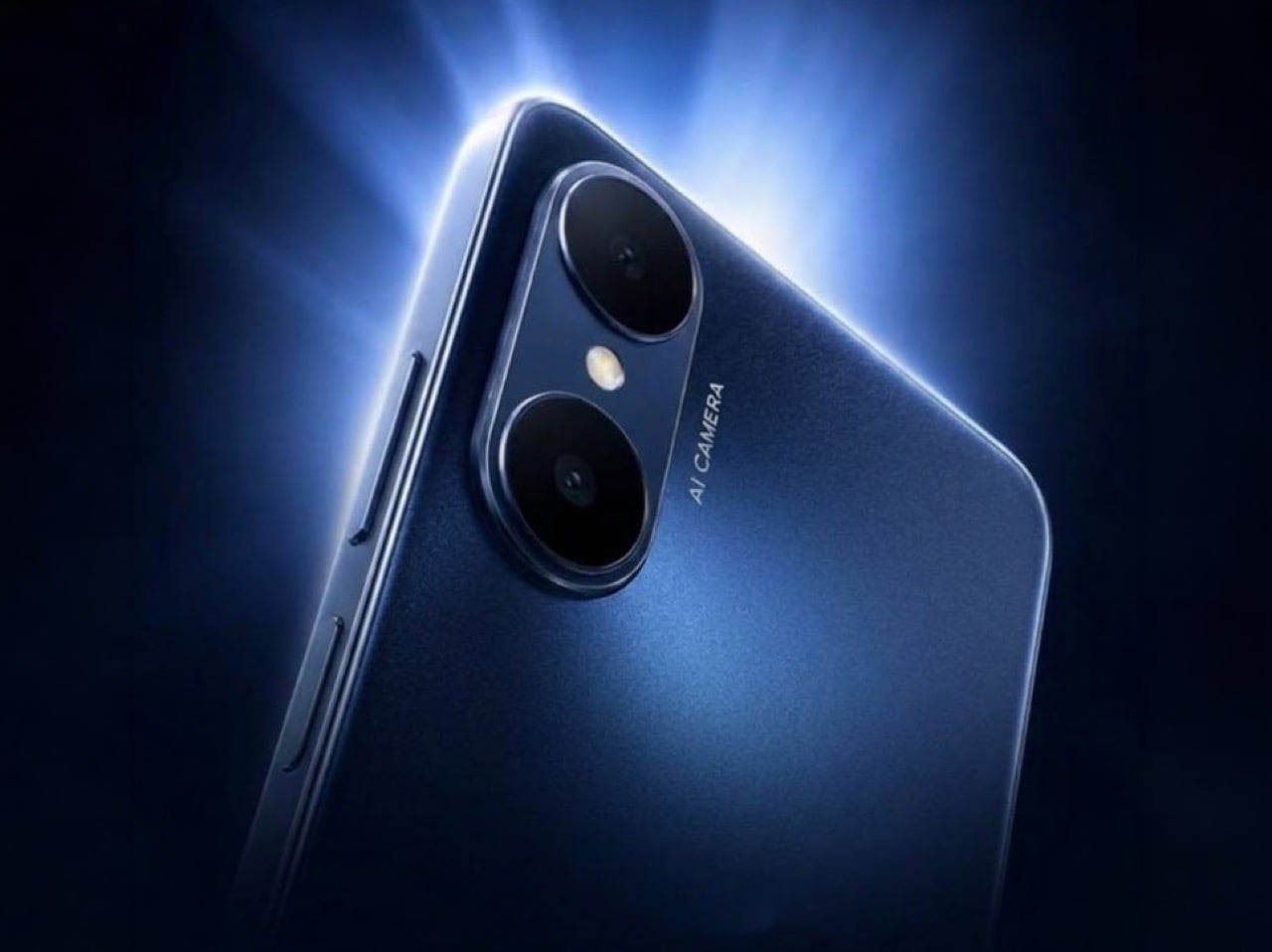
HMD's $113 phone has one real feature, and it's not the chip, the screen, or the camera. It's an AI assistant that speaks Marathi, Telugu, and twenty other Indian languages before it speaks a word of English. That is either a gimmick or the most thoughtful thing a budget phone has done all year, and I'm leaning hard toward the latter. While The Fairphone 6 Plus drops to $552 and still wants you to fix it yourself proves that repairability matters at the high end, HMD is quietly arguing that accessibility matters more at the bottom. The Rise isn't trying to out-spec anything. It's trying to answer a question in the language you actually think in.
The Indus assistant comes from Sarvam AI in Bengaluru, runs on servers in India, and claims support for 22 languages. That's the headline. The asterisk is that HMD hasn't published independent results showing how well it handles those languages in the wild, especially the messy, code-switching way people actually talk. I'd want to throw a Marathi question at it that casually drops an English app name and see if it flinches. Sarvam describes Indus as a limited-beta interface for its 105-billion-parameter model, which is honest but also leaves the door open for things to break. Still, the bet is interesting. If you're setting up your first smartphone, a voice assistant that understands your mother tongue is worth more than an extra megapixel. That's not sentimental. That's practical. That candy-colored keypad hides a 4G phone that forgot social media showed us that feature phones can carve out a niche by removing things. HMD is trying the opposite: adding a feature that actually makes the phone easier to use.
The rest of the Rise is familiar HMD territory. A Unisoc 9863A chip, 4GB of RAM, Android 16 Go Edition, a 5,000mAh battery, and a 6.51-inch HD+ display with a waterdrop notch that looks like it wandered in from 2019. Connectivity tops out at 4G. The ₹9,999 first-day price, roughly $113, gets you 64GB of storage and a charger in the box. HMD promises quarterly security updates for two years and points to 275 service centres in India with pickup and drop-off across 18,000 PIN codes. That support network is the kind of detail that doesn't make the spec sheet but matters a lot when the screen cracks. The phone is exclusive to Flipkart starting December 2, and it comes in three finishes including Emerald Gold, which sounds like the one you buy if you want the other two to look like sensible shoes.
The concrete question is whether Indus works as well in practice as it does on paper. HMD's CEO for India and APAC framed the launch around making technology accessible to more people, and that framing only holds if the assistant actually understands the way you talk at home, not the way you rehearse for a demo. If it does, HMD will have done something quietly radical with $113. If it doesn't, the Rise is just another budget phone with a battery you can trust and a chip you've already forgotten. I'd ask it for help in the language I use with a friend, without tidying up the question first. That's the test.