
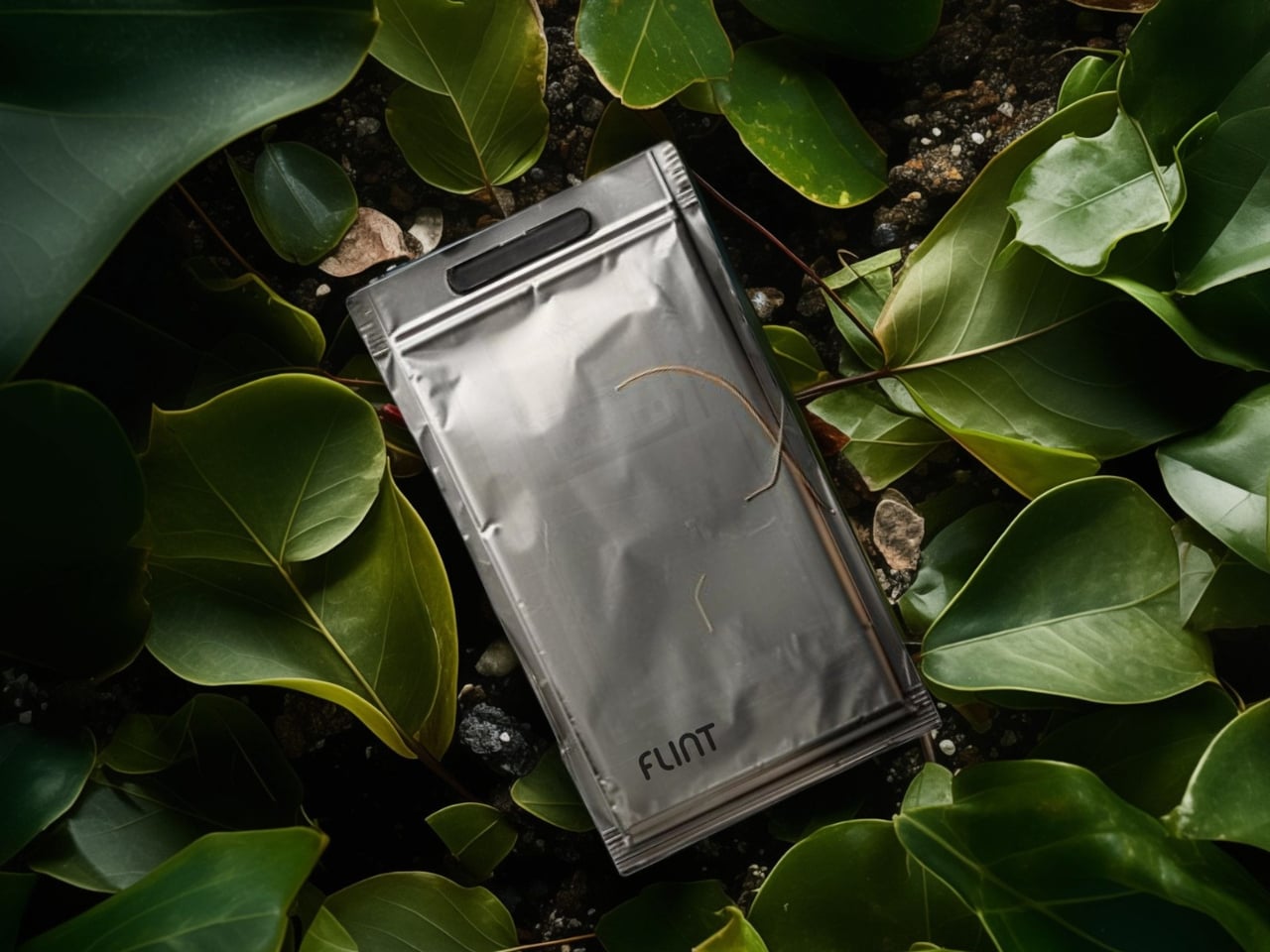
Flint's paper battery is real, and it doesn't need lithium, but the real news isn't the material itself. It's that Flint has already started production in Singapore and is supplying cells to customer pilots, including AAA batteries for Logitech wants your XR controller to practise surgery on. That's the detail that separates a promising lab demo from something that might actually end up inside the gadgets we use every day, and it's the reason I'm paying attention rather than just bookmarking the press release and moving on. A battery that uses cellulose, zinc, and manganese won't fix everything wrong with energy storage, but it targets two problems that rarely make it onto the packaging: where the materials come from and what happens when a cell gets damaged.
The safety demonstrations are the kind of thing that make you stop scrolling, cutting a cell, exposing one to a flame, but I'd put more weight on documented testing for a particular finished product than on a dramatic video. A battery that survives a torch in a controlled setting isn't automatically ready for the inside of a Peak Design's new iPhone add-on is the pocket tool your phone didn't know it needed or any other pocket. The more convincing application, for now, is the unglamorous one: a Logitech mouse or keyboard. That's a sensible proving ground for an alternative chemistry, because if a battery can't handle the mundane demands of daily input devices, it has no business being pitched for anything more ambitious. I'd rather see a technology earn its place in an object nobody thinks about than headline a concept that requires the rest of the supply chain to rebuild itself overnight.
The composting claim needs a careful read, not a quick share. Flint says its metals can be recovered and the remaining material composted, but that process involves removing the vacuum-sealed casing first. That's not an invitation to toss an intact battery into the backyard, and I want explicit disposal instructions and a practical recovery route before treating compostability as an everyday convenience. Performance is the other unresolved question. The company's founder has claimed up to 1,000 charge cycles, but no white paper detailing the proprietary design has been published yet. That leaves a gap between a promising number and evidence I can actually examine, so I'm not translating that figure into a promise about how long a future wearable or remote will last between charges. One less flashy choice may matter more: Flint deliberately designed the battery to align with existing lithium-ion production processes, and its Singapore facility uses water-based manufacturing. Compatibility with familiar equipment could help manufacturers consider a different chemistry without rebuilding everything around it, which is the kind of practical decision that makes an alternative material more than a sustainability story.
The payoff I'm watching for is reassuringly uneventful: a gadget that works exactly as expected, with a battery chosen more thoughtfully and a clear destination when it wears out. Flint has made that prospect worth tracking, but the next persuasive step is letting ordinary products, and their owners, do the demonstrating. I want to see how those AAA cells hold up after a year in a Logitech mouse, and I want to know whether the composting route is something a regular person can actually follow without a specialized facility. That's the detail that will tell me whether this is a genuinely useful alternative or just a clever material looking for a problem it can solve.