•2 min read•from Frontiers in Marine Science | New and Recent Articles
Variation in foraging ecology of common dolphins in the Celtic Seas ecoregion
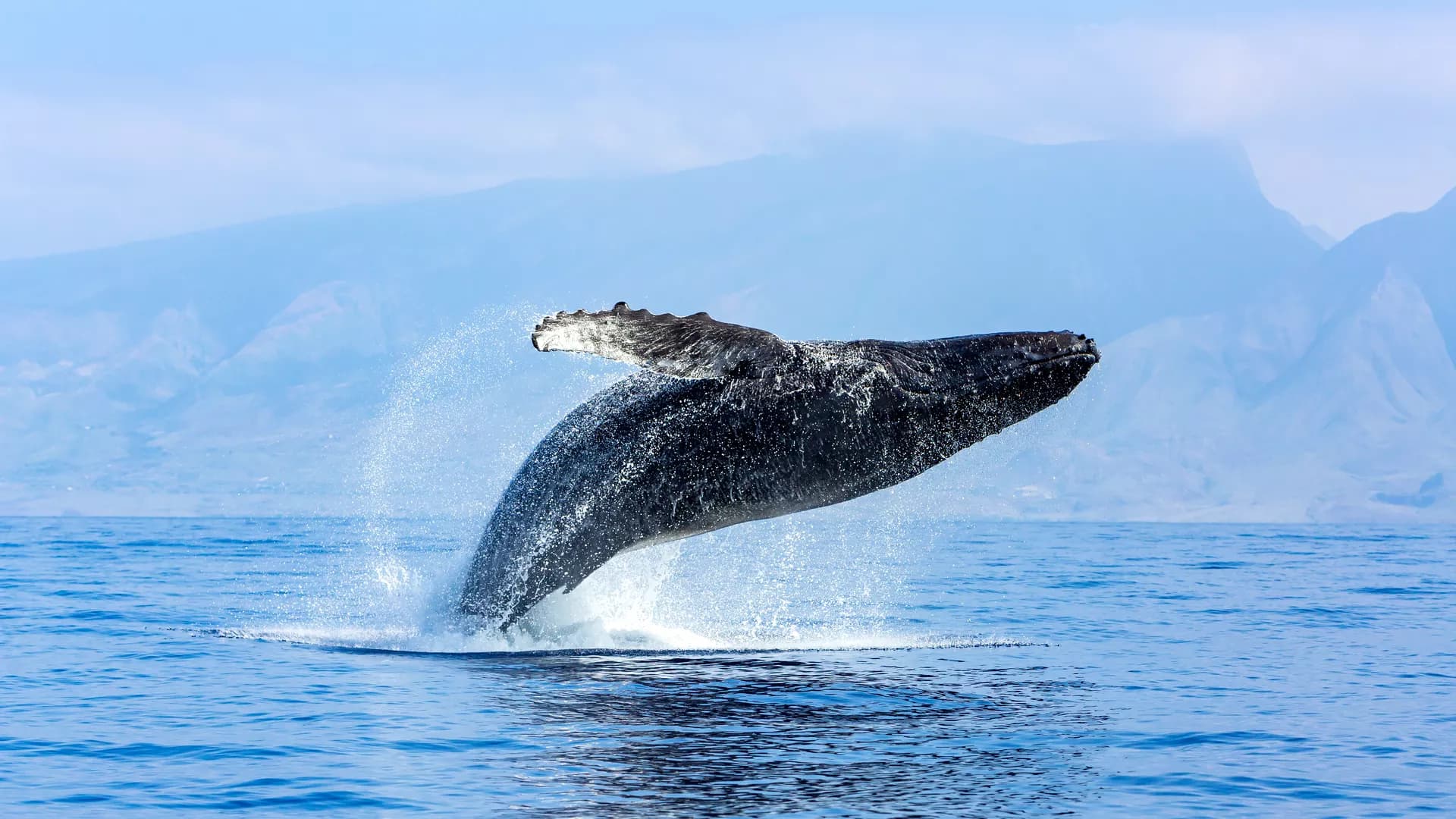
Predators forage by balancing the energy content of prey with the energy required to capture it, selecting prey based on their foraging strategy. In the Celtic Seas ecoregion, recent dietary data are lacking for the common dolphin (Delphinus delphis) despite concerns about declining body conditions and changes in prey communities over recent decades. Using conventional stomach content analysis of a large sample set (n = 138) collected over three decades, combined with statistical modelling, we provided updated insights into common dolphin foraging ecology in the region. We examined dietary composition, trophic level, daily prey consumption, and gross energy intake in relation to explanatory variables, including time period, season, sex, maturity status, total body length, body condition, and cause of death. Results indicated that common dolphins fed at higher trophic levels on prey of lower energy content than in more southern European waters. Common dolphins were identified as facultative generalists, with Trisopterus spp. as the most important prey, though its importance slightly declined in the latter period of the study. Foraging patterns varied across all variables, likely reflecting shifts in prey availability, reproductive needs, dolphin movement patterns, and physiological constraints. Limitations of stomach content analysis were identified, with stomach contents only representing 18% of their daily required intake, underscoring the need for large sample sizes to achieve robust dietary assessments. Findings provide critical insights into their foraging ecology within the Celtic Seas ecoregion, data essential for supporting future ecosystem-based management approaches, amid ongoing ecosystem and prey community changes.
Want to read more?
Check out the full article on the original site
Tagged with
#ocean data
#data visualization
#ecosystem health
#foraging ecology
#common dolphin
#dietary composition
#Celtic Seas
#trophic level
#energy content
#ecosystem-based management
#prey consumption
#facultative generalists
#stomach content analysis
#statistical modelling
#body condition
#prey availability
#Trisopterus spp.
#sample size
#movement patterns
#physiological constraints