U.S-Iran’s 2 Week Ceasefire Deal To Reopen Strait Of Hormuz
The United States and Iran have agreed to a two-week ceasefire after weeks of rising tensions that affected global shipping and energy supplies. The truce was announced by US President Donald Trump on Tuesday, just hours before a deadline he had earlier set.
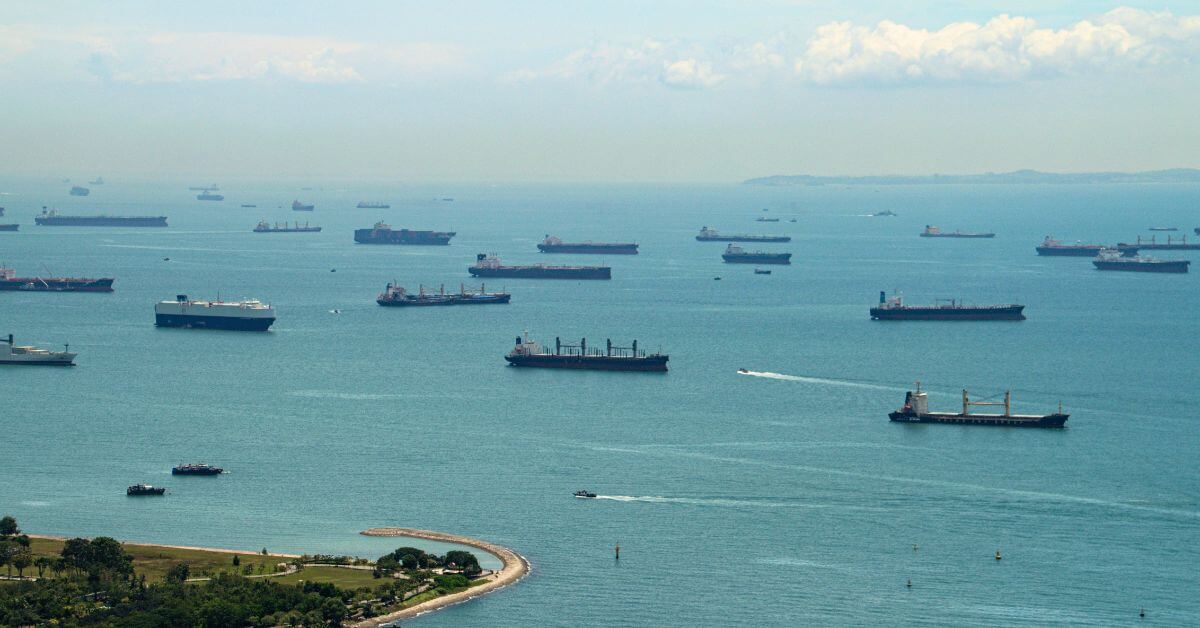
As part of the agreement, Iran will reopen the Strait of Hormuz, one of the world’s busiest maritime routes through which around one-fifth of global oil supply passes.
The move is expected to ease pressure on the shipping industry, which had been facing serious risks due to the conflict.
Talks to finalise a longer-term peace deal are scheduled to begin in Islamabad, Pakistan. The ceasefire was mediated by Pakistan’s prime minister and military leadership, and both sides are expected to send delegations for further negotiations.
Countries across the world have welcomed the development but have also stressed that the agreement must be followed properly.
China said it supports the ceasefire and confirmed it had been actively involved in diplomatic efforts. Officials stated that Foreign Minister Wang Yi held multiple calls with leaders from different countries, while China’s Middle East envoy travelled across the region to help reduce tensions.
Russia said the ceasefire shows that aggressive military approaches do not work and called for a political solution. Officials added that there has been no military answer to the situation from the beginning.
Israel supported the US decision to stop strikes on Iran but said the ceasefire does not apply to Lebanon, where fighting with Hezbollah is still ongoing. Israeli Prime Minister Benjamin Netanyahu said the US move aims to ensure Iran does not pose a threat in the region.
The United Nations asked all sides to follow the ceasefire and use this time to move towards a long-term solution. Secretary-General Antonio Guterres said stopping the fighting is necessary to protect civilians and reduce suffering. He also thanked Pakistan and other countries for helping to bring both sides to an agreement.
Leaders from the European Union called the ceasefire a step towards reducing tensions. European Commission President Ursula von der Leyen said it brings much-needed relief, while other EU officials urged all parties to respect the agreement to achieve lasting peace.
India also welcomed the ceasefire, noting that the conflict had disrupted global energy supply and trade. Officials said it is important to ensure free movement of ships and smooth trade through the Strait of Hormuz.
France, Germany, Japan, Australia and New Zealand described the ceasefire as a positive step but said more work is needed to secure a permanent solution. They highlighted the impact of the conflict on global markets and the risks to human life.
Spain said ceasefires are important but warned that the damage caused by the conflict should not be ignored. The government called for diplomacy and international law to guide future actions.
Indonesia and Malaysia also supported the agreement and asked both sides to respect each other’s sovereignty and avoid any actions that could restart tensions. Indonesia additionally called for an investigation into the deaths of its UN peacekeepers in Lebanon.
Ukraine welcomed the ceasefire and reopening of the Strait of Hormuz, and called for similar efforts to end its own conflict with Russia.
The ceasefire came after nearly six weeks of conflict that caused major disruption in the Middle East and global oil markets. At one point, Iran had restricted access to the Strait of Hormuz, creating serious concerns for oil shipments and commercial vessels.
US Vice President JD Vance described the agreement as a fragile truce. While President Trump called it a complete victory, he did not confirm what action the US would take if Iran fails to follow the terms.
Iran’s Foreign Minister Abbas Araghchi said Iranian operations would stop if attacks against the country end. He also confirmed that Iran will coordinate safe passage for ships through the Strait of Hormuz during the ceasefire.
Reports suggest Iran and Oman may introduce transit fees for vessels using the strait during this period, with funds possibly going towards reconstruction. However, there has been no official confirmation from Oman.
Both countries have put forward proposals for a final agreement. The US plan is believed to include limits on Iran’s nuclear programme, restrictions on its defence capabilities, and the reopening of the Strait of Hormuz. It may also involve recognition of Israel.
Iran’s proposal includes lifting sanctions, compensation, withdrawal of US forces from the region, and regulation of shipping through the strait. Some versions also mention Iran’s right to continue nuclear enrichment.
Despite the ceasefire, both sides have described the outcome as a success for themselves. Iran’s top security body said it forced the US to accept its framework for talks and warned that any violation would be met with a strong response.
References: CNN, Al Jazeera
Want to read more?
Check out the full article on the original site