The well-rounded dance educator: Where technique, humanity and longevity meet
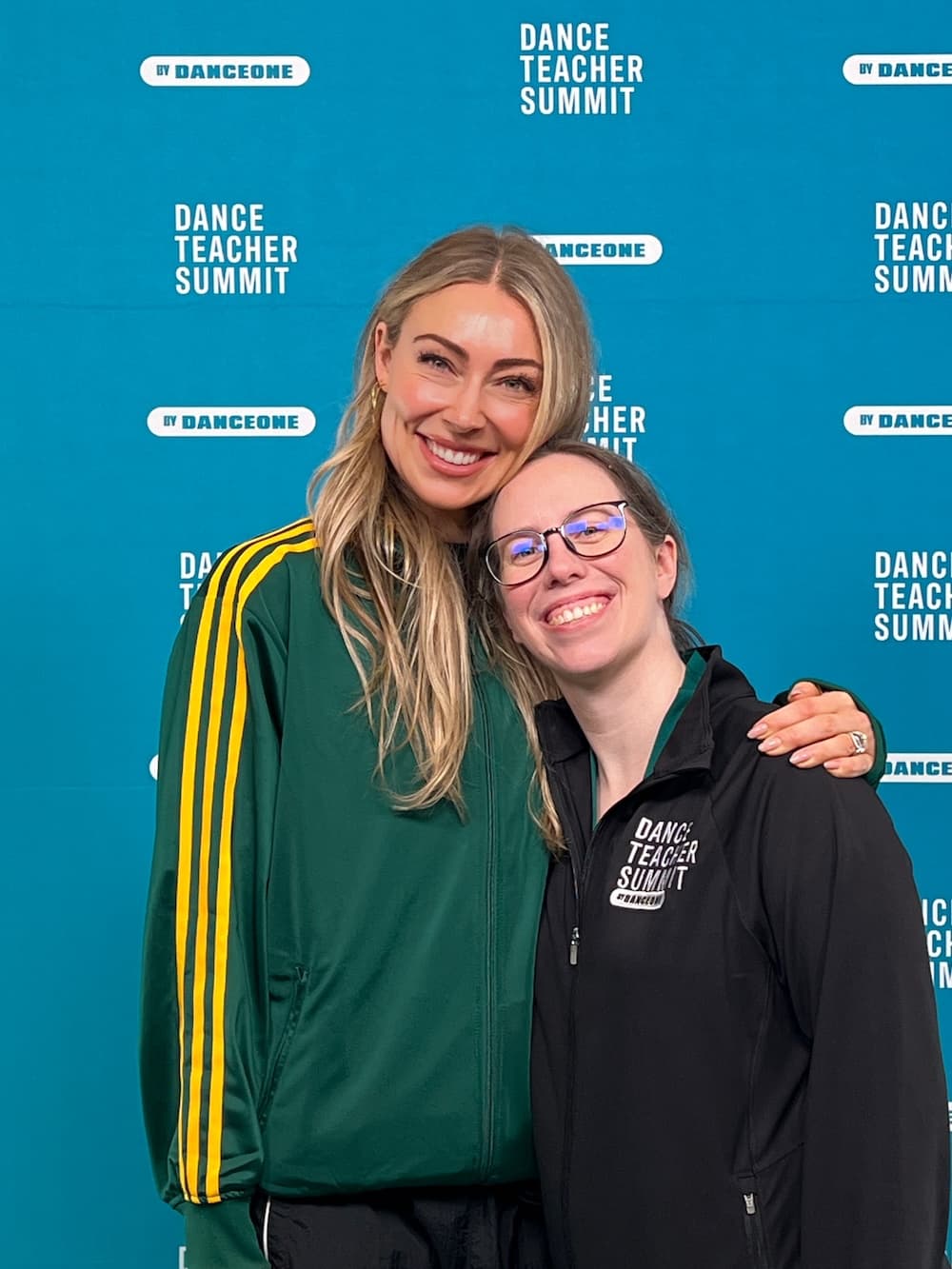
In 2026, being a well-rounded dance educator means more than delivering strong choreography or maintaining technical precision. It means developing the student’s mind alongside the body and sustaining passion over decades. More importantly, it requires encouraging student growth as whole human beings. Technique remains essential – but it is no longer the finish line.
This evolving philosophy of dance education is one of the central themes teachers will explore at this summer’s DanceOne Summit, held in New York City from August 13-16. Summit is a gathering designed to support educators not just as instructors, but as leaders, mentors and lifelong learners. Here, Dance Informa speaks with three masterful teaching artists who will be bringing their knowledge and expertise to the collective of dance educators attending the Summit.
Lauren Ritchie, a performance psychology and leadership and mental skills educator, believes the definition of “well-rounded” has expanded significantly. “It can be difficult today to define a ‘well-rounded’ dance teacher because there is more access to training than ever before. But at its core, we are developing three dimensions in dancers – the mind, the body and artistry.”
Her perspective reflects the kind of multidimensional learning environment events like the DanceOne Summit are built to foster, where teachers examine not only what they teach, but how and why they teach it.
She points out that dance education has traditionally emphasized physicality and artistry, while the mental side (confidence, focus and resilience) was often left to chance. “A well-rounded teacher now supports those skills intentionally, recognizing that psychological development directly affects both technical progress and artistic expression.”
Her own journey reflects this shift. Ritchie recalls standing at the back of a rehearsal, repeating “point your feet” with mounting frustration when nothing changed. Through her study of mental skills and motor learning science, she realized that fear narrows attention and limits retention. “That discovery led me to integrate mental performance and learning science into dance training so dancers can develop strong technique while maintaining confidence and engagement.”
For educators attending DanceOne Summit, these insights offer practical, transferable tools and strategies that can reshape classroom dynamics as much as student outcomes.
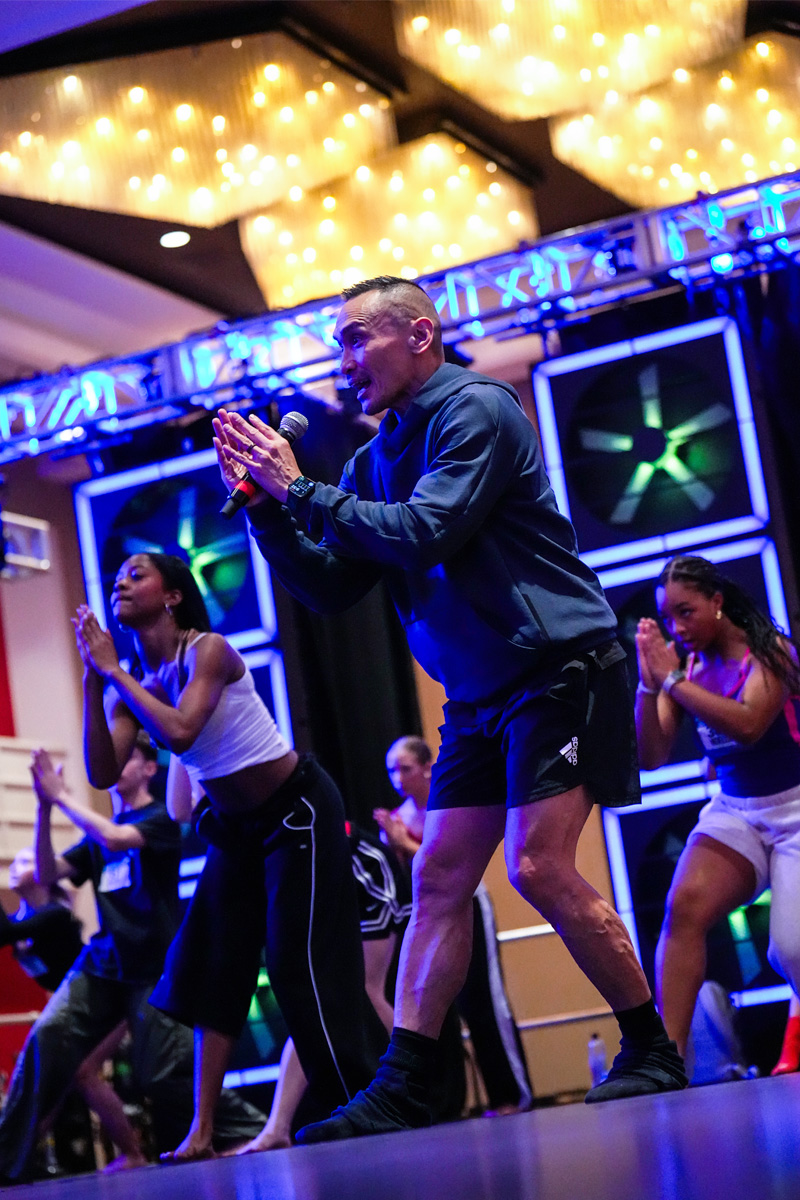
Francisco Gella, Artistic Director of Zeitgeist Dance Theatre and 24SEVEN Dance Convention Teaching Artist, approaches well-roundedness through breadth of experience. “A well-rounded teacher means access to more opportunities,” he says. Crossing between ballet, modern and the dance convention world has given him “a much broader picture of the dance world,” shaping both his teaching methodology and creative voice. For Gella, versatility is not dilution, it is expansion.
This spirit of expansion is at the heart of professional development spaces like the Summit, where exposure to different teaching philosophies, genres and industry pathways encourages educators to rethink their own frameworks.
That expansion often requires stepping outside of comfort zones. “Absolutely, it’s essential,” he says of continuing education. At age 52, he traveled to Berlin, to resume training after years away. Learning in a new country, from new teachers, was “eye-opening” and reignited his growth as an educator. Returning to the role of student added “more depth, inspiration and rediscovering my love as a mover, technician and artist.”
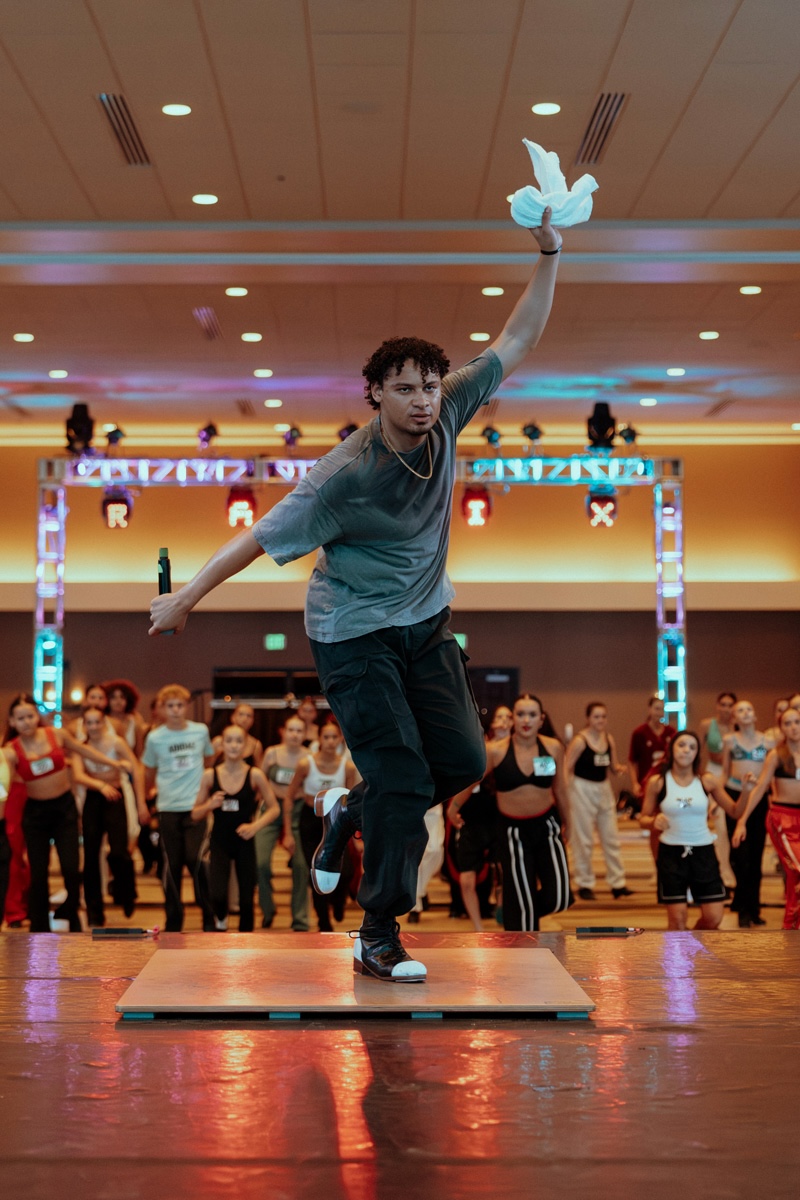
Leo Manzari, recording artist and tap dancer, believes that embracing multiple disciplines is essential to sustaining a long and evolving career as a dance educator. “I’ve always been an advocate for multi-disciplinary artistry. I find that the more well-rounded your craft is, the more of your humanity you’re able to encapsulate in your creations.” For him, studying music and songwriting expanded his tap practice in unexpected ways. “Through my creation of music, I learned about storytelling and the many layers one bar of music really contains.” That exploration reshaped how he understands phrasing, dialogue and intention in dance. “A story isn’t a story unless there’s a reason worth telling it.”
All three educators emphasize that growth requires humility. Ritchie notes, “Some of the most transformative learning in my career has happened outside my own dance discipline.” Exploring other genres or studying motivation and communication helps teachers understand training more completely. “Stepping outside your discipline does require vulnerability, but that is precisely the point.” A beginner’s mindset, she suggests, keeps educators evolving for the dancers they serve.
Gella echoes this sentiment in simpler terms. “New experiences create new perspectives.” He recalls reaching a point where he felt tired of the concepts that once made him successful. Stepping outside his comfort zone forced him to reset how he understood technique and artistry. “The classes I took outside my comfort zone single-handedly changed how I view my methods.”
Manzari adds that repetition without expansion can create stagnation. “Sometimes the repetition of teaching your own material causes both physical and musical habits, so allowing yourself to witness other people’s crafts is a way to find where your creativity might fall short.” Exposure to different ways of thinking challenges educators to refine, not abandon, their foundations.
Longevity in dance education today also depends on emotional intelligence. Ritchie believes that meaningful shifts in a classroom are often subtle. “The most powerful shifts in a classroom are often invisible, a change in tone, language, or approach can fundamentally alter how a dancer experiences learning and, ultimately, themselves.” Helping teachers build confidence, motivation and emotional regulation in dancers directly influences learning and retention. Sustainability is not only physical; it is psychological.
Connection also sustains educators. Ritchie reflects that the relationships shaping her career began with “shared love – simply people in a room who loved dance and the dancers we serve.” Mentors and colleagues “opened doors I could not have opened alone.”
It’s this same spirit of shared purpose that defines the DanceOne Summit experience – an environment where networking grows organically from mutual respect rather than transaction.
“Networking is special because it creates opportunities for future collaborative creations,” shares Manzari. He recommends authenticity first. “Introduce yourself with an open heart, because that’s the quickest way to see if your artistry aligns.”
In an ever-changing industry, remaining connected beyond one’s studio walls is critical. “Dance extends far beyond any single studio or region,” Ritchie says. Staying engaged with the broader community strengthens perspective and leadership. Gella is even more direct: “Staying in a bubble means you are less informed and you cannot see the whole picture.” For Manzari, industry relevance ensures that students have a true launch pad into professional life. As his mentor Maurice Hines told him, “Pay it forward.”
Ultimately, in 2026, well-rounded means balancing discipline with empathy. It means expanding technique through psychology, music, storytelling and lived experience. It means sustaining curiosity long after formal training ends.

Ritchie hopes educators leave professional gatherings such as the DanceOne Summit feeling “seen and supported… with a renewed sense of belonging, excitement for the season ahead, and confidence in their abilities as educators.” Gella hopes they leave “inspired, changed and reinvigorated.” Manzari offers perhaps the most grounding reminder: “Teaching is such a selfless act, and that’s to be congratulated at every opportunity.”
A well-rounded educator is not defined solely by how many styles they teach or how high their students can kick. They are defined by their willingness to evolve, their commitment to humanity, and their ability to sustain both technique and heart over time. In today’s dance landscape, that balance is where true longevity lives.
You can meet and learn from these inspirational dance educators at the DanceOne Summit running August 13-16, in New York City. For more information and to register for the Summit, visit www.danceonesummit.com.
By Mary Carpenter of Dance Informa.
The post The well-rounded dance educator: Where technique, humanity and longevity meet appeared first on Dance Informa Magazine.
Want to read more?
Check out the full article on the original site