
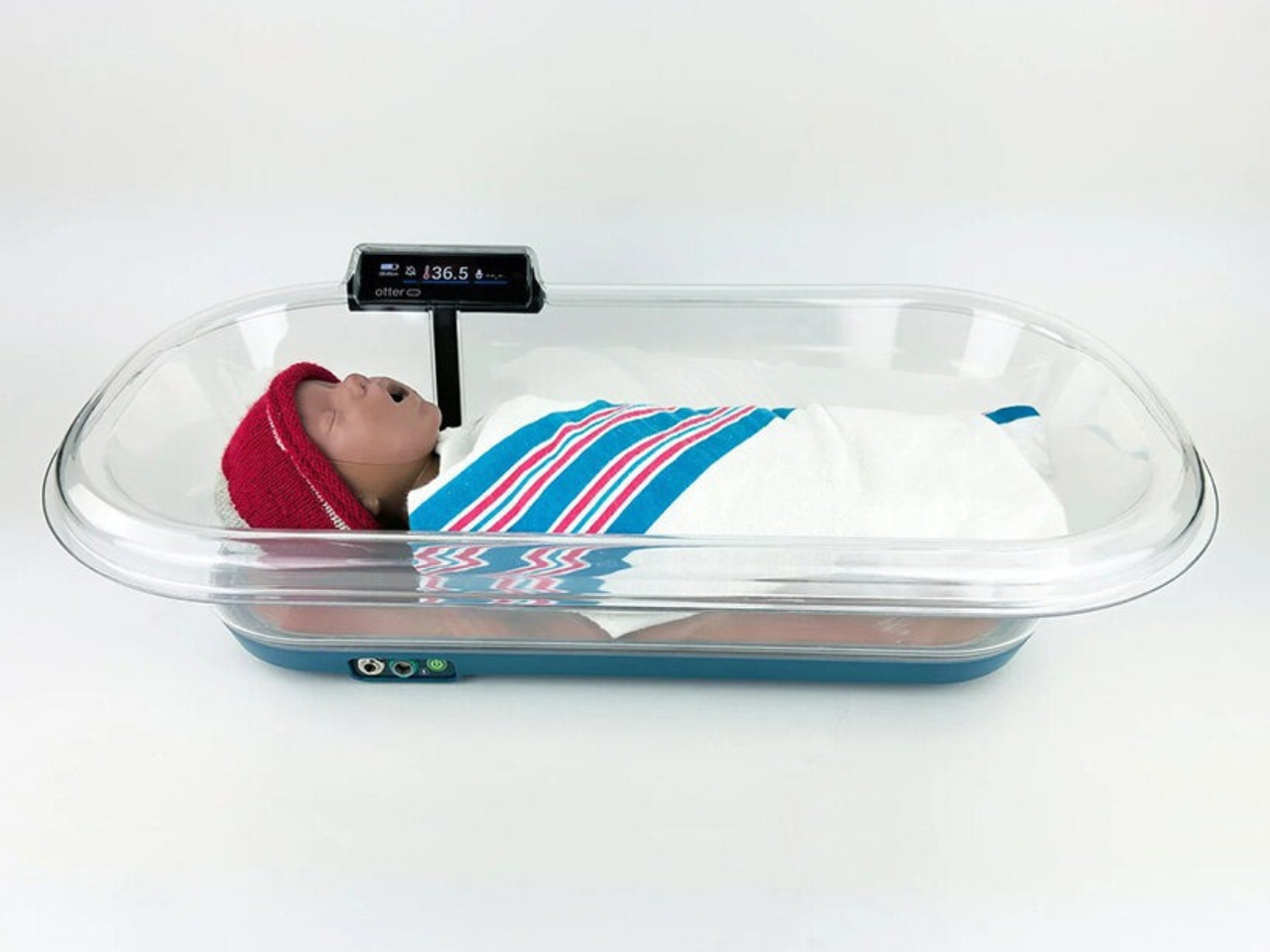
The Otter newborn warmer is the kind of design that makes me want to stand up and applaud, then immediately sit back down and take notes on exactly why it works. It isn't flashy. It doesn't promise to revolutionize neonatal care through AI or some app you'll never open. It just solves the specific, brutal problem of keeping a baby warm when the hospital can't trust the wall socket. That's the razor clam here: a warmer that assumes the grid will fail, not that it won't. And that assumption changes everything about how you build the thing. We've seen this kind of practical, infrastructure-aware thinking before, Aura Smart Bird Feeder takes a $140 dive, and Spoot is watching from the couch is a fun gadget that makes birdwatching easier, but Otter is a life-support device doing the same kind of work: making a critical function work reliably when the conditions around it are unreliable. The difference is that Otter's failure mode is a newborn getting cold, not missing a chickadee photo.
The detail that hooked me is the missing mattress. Most conductive warmers use a removable water or gel mattress to transfer heat. Those tear. They need replacing. They create seams where bacteria hide. Design that Matters and MTTS just deleted the whole component, integrating the heat-conducting surface directly into a polycarbonate bassinet. That's the kind of editorial decision I love, cutting a part that causes problems instead of designing a better version of it. The smooth interior without fabric or gaps is designed for the person who has to clean it between patients. That's empathy aimed at the right target. The battery backup that kicks in automatically when AC power drops removes a cognitive task at a moment when nobody needs another thing to remember. It's temporary independence from the grid, not a magical infinite power source, but automatic handover matters more than battery life in a crisis. Compare that to the kind of battery thinking in Your drill battery just became your laptop charger, no outlet required, DeWalt's tool batteries can charge a laptop anywhere, which is clever and convenient. Otter's battery is clever and necessary, because the alternative is a baby losing warmth.
The firm surface for a newborn initially feels wrong. Babies are soft. They belong on soft things. But the reasoning holds up: a smooth, cleanable surface reduces infection risk, and the warmer is designed for use alongside kangaroo mother care, providing supplemental heat while a mother takes a break to wash or rest. That context, a mother's ordinary needs being part of the design brief, makes the whole product feel more considered than most medical equipment I've seen. Otter is already deployed in Vietnam, Zambia, and the Philippines, with more than 800 newborns treated as of January 2026. It won the Seoul Design Award Grand Prize. Those are real numbers, not a crowdfunding promise. The open question I'm left with is how the cleaning protocol actually works in practice, a smooth surface is one thing, but the manual still specifies operation by qualified personnel and regular temperature checks. Simpler equipment doesn't make newborn care simple. But when a power outage hits and the warmer switches to battery without anyone having to flip a switch, that's not a feature. That's a design that understood the problem before anyone asked.