
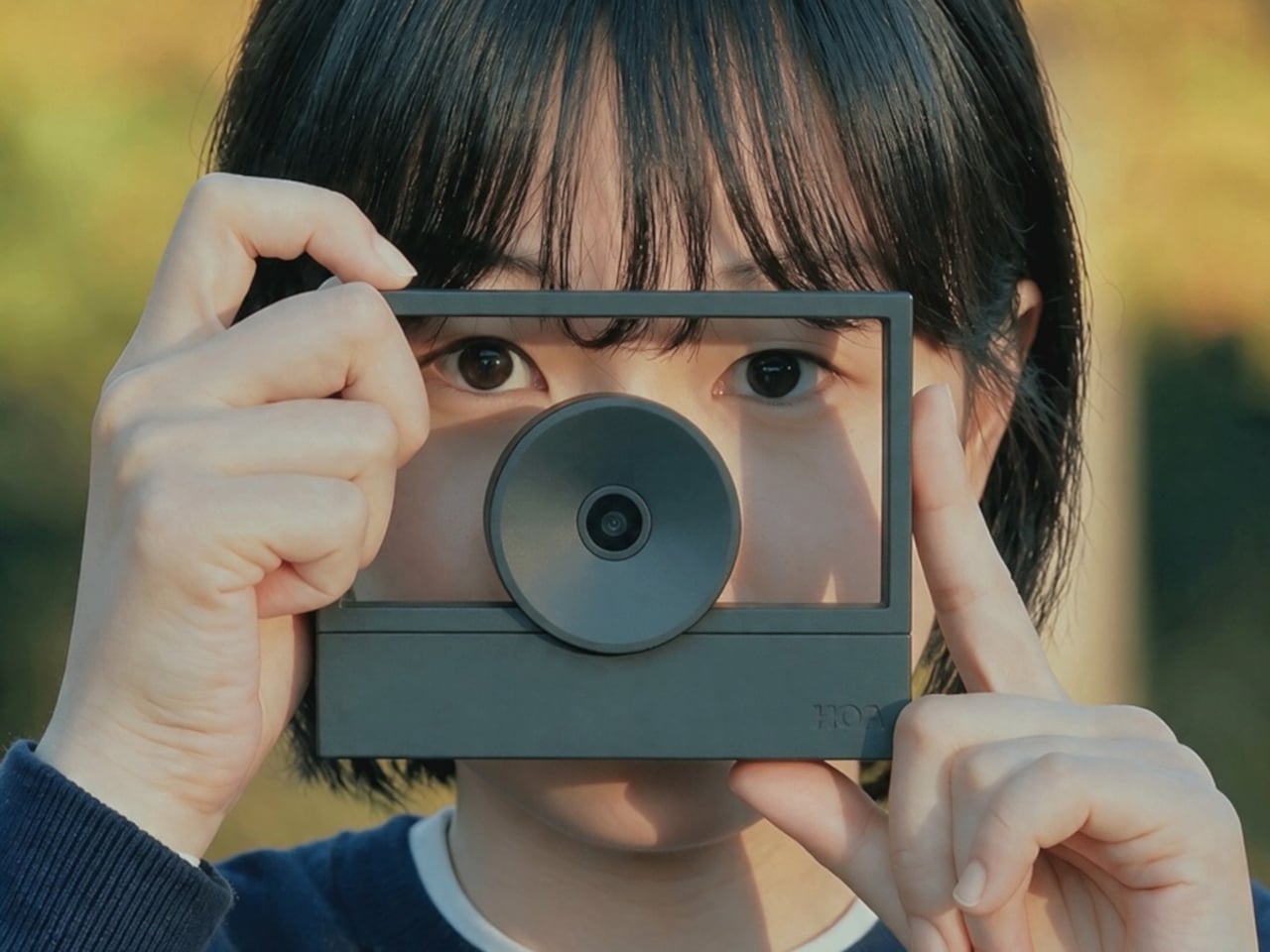
The HOA A1 camera is a genuinely lovely idea that will probably take mediocre photographs, and I want one anyway. That's the razor clam here: a camera built not to capture better images, but to preserve a better moment while you capture them. By replacing the traditional viewfinder with a large, open frame, the A1 lets you keep your eyes on the person you're photographing instead of staring at a screen. That's a small, human shift that feels almost radical in a world where we've accepted that taking someone's picture means hiding behind a device. The same impulse that made us fall for Ember's fancy hot-drink cup finally gets a price that doesn't sting, the desire for a tool that respects the experience, not just the output, is alive in this chunky, rectangular frame.
But the A1 is not your phone, and that's the whole point and the whole problem. It packs a 16MP Sony sensor with a 26mm-equivalent autofocus lens, weighs about 4.9 ounces, and runs for 90 minutes of continuous shooting. You still need your phone to actually see what you captured, via a tap-to-transfer system HOA hasn't fully detailed yet. That workflow is either going to feel like a graceful handoff or a frustrating extra step, and we won't know which until December 21, when the first 100 numbered First Edition units ship at $289. That price, for a limited-run camera whose image quality is still unproven, from a brand called Humans of Authenticity spun out of South Korean startup Lutra, is a bet. It's the same kind of bet Lutra's new camera sees through itself so you can see your subject asked us to consider: do you trust the intention enough to ignore the unknowns?
Then there's the blockchain thing. HOA's ShootProof system signs each image's digital fingerprint with a secure chip and logs it on a blockchain, which sounds like a feature designed for a press release rather than a person taking pictures of their friends. A certificate of file integrity is not a certificate of truth. You can stage a lie with any camera, and no amount of cryptographic handshakes makes that moment honest. The more interesting signature is the optional one you can place in the corner of each shot, like signing a print. That's personal. That's tactile. That's the kind of detail that makes you want to carry this thing around just to see how it changes the way you frame a conversation.
The open question isn't whether the A1 works, it's whether the photographs it produces are good enough to justify carrying a second device that can't even show you the result. If the images are merely fine, the A1 becomes a $289 conversation piece. If they're genuinely compelling, it becomes the camera you reach for when you want the person across from you to feel seen, not documented. That's the detail to watch: not the blockchain, not the limited run, but the first sample images that surface after December 21. Until then, the A1 is a beautiful hypothesis.